
Sitting at a desk all day can leave you feeling mentally drained, physically tense, and too exhausted to enjoy your free time, even when you barely move. Over time, repetitive routines and constant work demands can make exercise feel like another obligation, leaving you craving more energy, mental clarity, and genuine relief. Discover how playful movement, creative challenges, and short activity breaks can help you rediscover the joy of moving and break free from the cycle of everyday stress.
The Chronic Stress of Sedentary Routines
Sedentary routines can cause exhaustion despite minimal physical activity. Hours of screen time, constant notifications, and prolonged sitting create physical tension and mental fatigue.

They also reduce natural breaks throughout the day. Activities like commuting, walking between meetings, and leaving the desk for lunch provide changes in posture and environment. Remote and desk-based work often eliminate these transitions, leaving people spending most of their day in the same space.
Short movement breaks help restore those transitions. Set a timer for every 60 to 90 minutes, then spend three minutes changing levels and directions. You might reach toward the ceiling, squat to touch the floor, walk backward across a clear room, and balance briefly on each foot. Keep the movements comfortable and use stable support if needed.
The aim is to give your nervous system a clear change of input. Guidance on play and mental health also highlights the value of joy, connection, and creativity, which are often missing from exercise plans focused only on numbers. A playful break adds novelty to the day while loosening the physical stiffness associated with prolonged sitting.
Why Adults Lose the Capacity for Play
Adults rarely lose the physical ability to play all at once. More often, social pressure gradually pushes play out of daily life. Movement becomes acceptable when it burns a certain number of calories, produces a measurable result, or prepares someone for an event. Activities done mainly because they feel interesting can start to seem unproductive.
Burnout strengthens that mindset. When your unfinished task list occupies most of your attention, free time may feel like another resource that needs to be managed efficiently. You might choose a familiar workout because it’s easy to track, even when the routine has become dull. You may also avoid trying new movements because being a beginner feels uncomfortable.
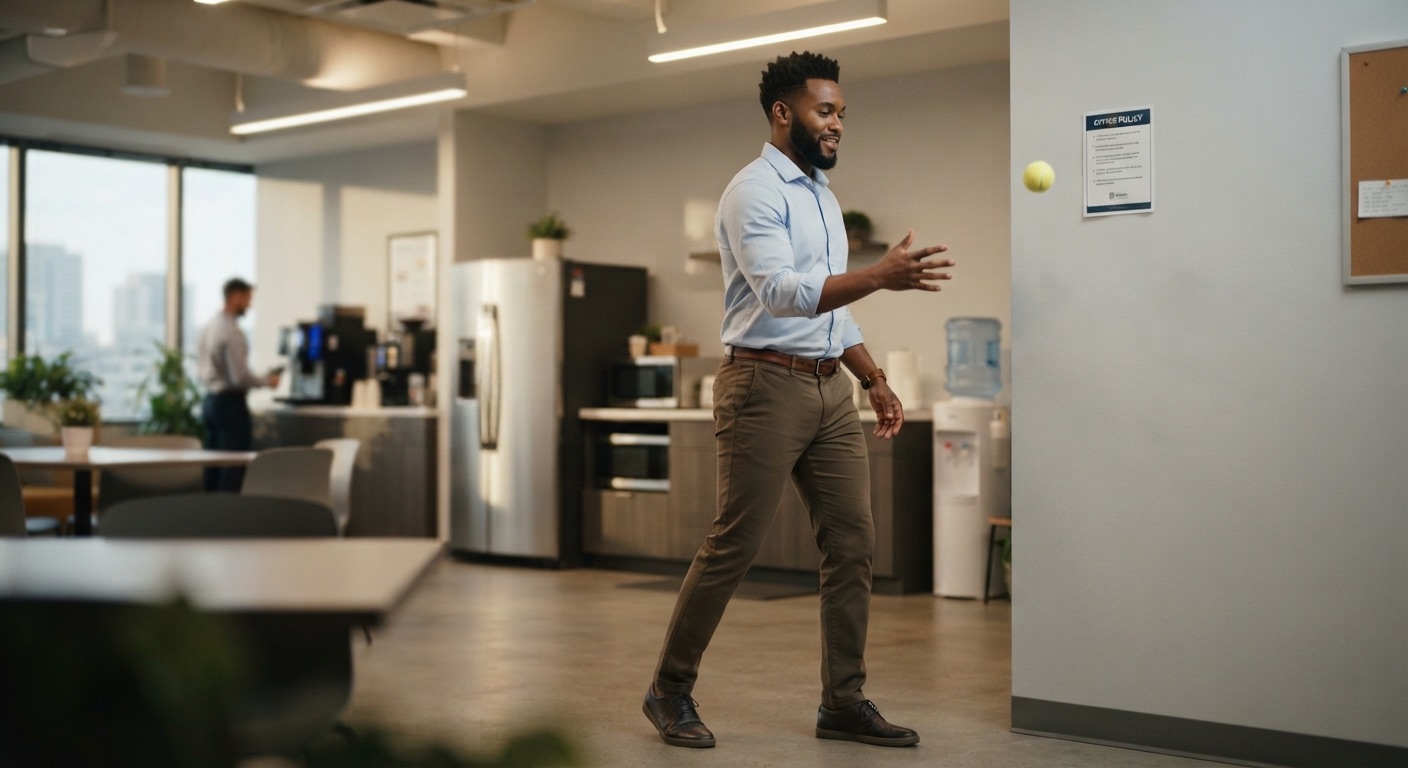
Rebuild play through small experiments with no public score. Toss a soft ball against a wall and vary the catch, create a simple stepping pattern on floor tiles, or see how slowly you can move from standing to sitting. Ten minutes is enough at first. Stop while the activity still feels appealing so it remains something you want to revisit.
The idea of reclaiming adult play centers on curiosity and enjoyment as legitimate ways to reduce everyday stress. Permit yourself to be unskilled, laugh at a missed attempt, and change the rules midway. Those choices help separate play from another performance obligation.
Step Away from Traditional Exercise Machines
Traditional exercise equipment works well for many people, but burnout may call for a different kind of workout. Repetitive movements can leave your mind free to replay work-related problems. Activities that involve changing directions, coordinating movements, maintaining timing, and making simple decisions require enough mental engagement to help interrupt that cycle.
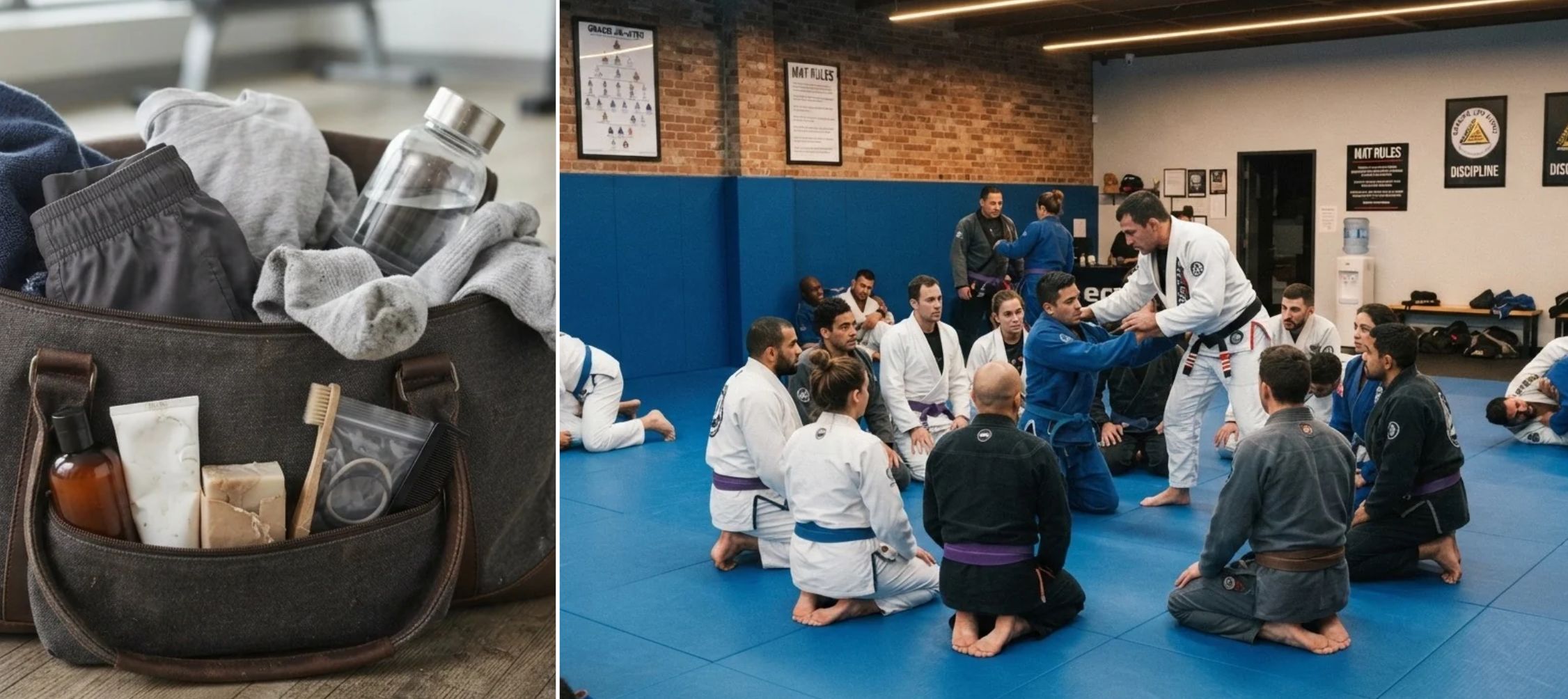
Look for coached environments where you can progressively develop movement skills. Dance, climbing, gymnastics-inspired conditioning, and parkour all combine coordination with physical effort. An indoor parkour facility serving children aged 4 and older, as well as athletes, illustrates how a dedicated setting can support coached skill development, strength training, and injury prevention. Adults interested in similar activities should confirm that the provider offers sessions suited to their age and current fitness level before booking.

If you’ve been inactive, experience pain, or have a medical condition, consult a qualified health professional about which activities are appropriate for you. Fatigue can affect coordination, so start with low obstacles and stable surfaces. Skill-focused movement should leave you feeling curious and motivated for your next session, rather than physically exhausted for the rest of the day.
Explore Obstacles in a Controlled Setting
Start with a simple course that takes less than a minute to complete. Walk around a cone, step over a low obstacle, balance along a line, and place a ball into a container. Repeat the route three times, changing one rule with each round. For example, move more slowly, lead with the opposite foot, or carry the ball throughout the course.
This type of practice introduces manageable uncertainty. A workday may involve constant uncertainty with serious consequences, while a movement-based challenge offers a problem you can modify or abandon at any time. That sense of control can be especially valuable when your mental reserves are running low.
Some therapeutic approaches also use structured play to help adults reconnect with their emotions and develop more flexible thinking. Discussions of play therapy for burnout describe play as a potential pathway to emotional expression and recovery. Recreational movement is not a substitute for professional therapy, but both approaches recognize that adults may sometimes process stress more effectively through experience than through further analysis.
Choose a controlled environment and keep the stakes low. Clear the floor space, secure loose rugs, and avoid movements that cause pain. If you want to progress, a qualified coach can help you adjust the challenges to your ability and develop safe movement techniques.
How Recess Energy Restores Mental Clarity
Try scheduling a 15-minute personal recess before your energy typically begins to drop. If your concentration starts fading around 3 p.m., step away from your desk at 2:45. Put your phone out of reach and choose one activity: follow a short dance sequence, bounce and catch a ball, or create a route using several floor markers. Finish with two minutes of gentle walking before returning to work.
Pay attention to outcomes beyond your mood. Notice how quickly you settle into your next task, how often you switch between tabs, and whether your shoulders feel less tense. Keep a simple record for one week. This turns your experiment into useful personal insight without making the activity itself feel competitive.
Resources exploring play as a stress-coping strategy link playful experiences to emotional expression, social support, and relief from pressure. Shared activities can be particularly helpful when burnout contributes to feelings of isolation. Invite a friend to throw a flying disc, attend a beginner class, or create a cooperative movement challenge where neither person keeps score.
If exhaustion persists, affects your sleep, or makes everyday responsibilities difficult to manage, speak with a health professional. Burnout may require workload adjustments, firmer boundaries, and professional support. Recovery also involves recognizing the kind of rest your body and mind need. As discussions of rebuilding routines and emotional well-being suggest, regaining balance takes time and may require more than simply stepping away from daily responsibilities. On an ordinary difficult afternoon, however, a strip of tape on the floor and ten minutes of creative movement may provide the refreshing mental break your desk cannot.