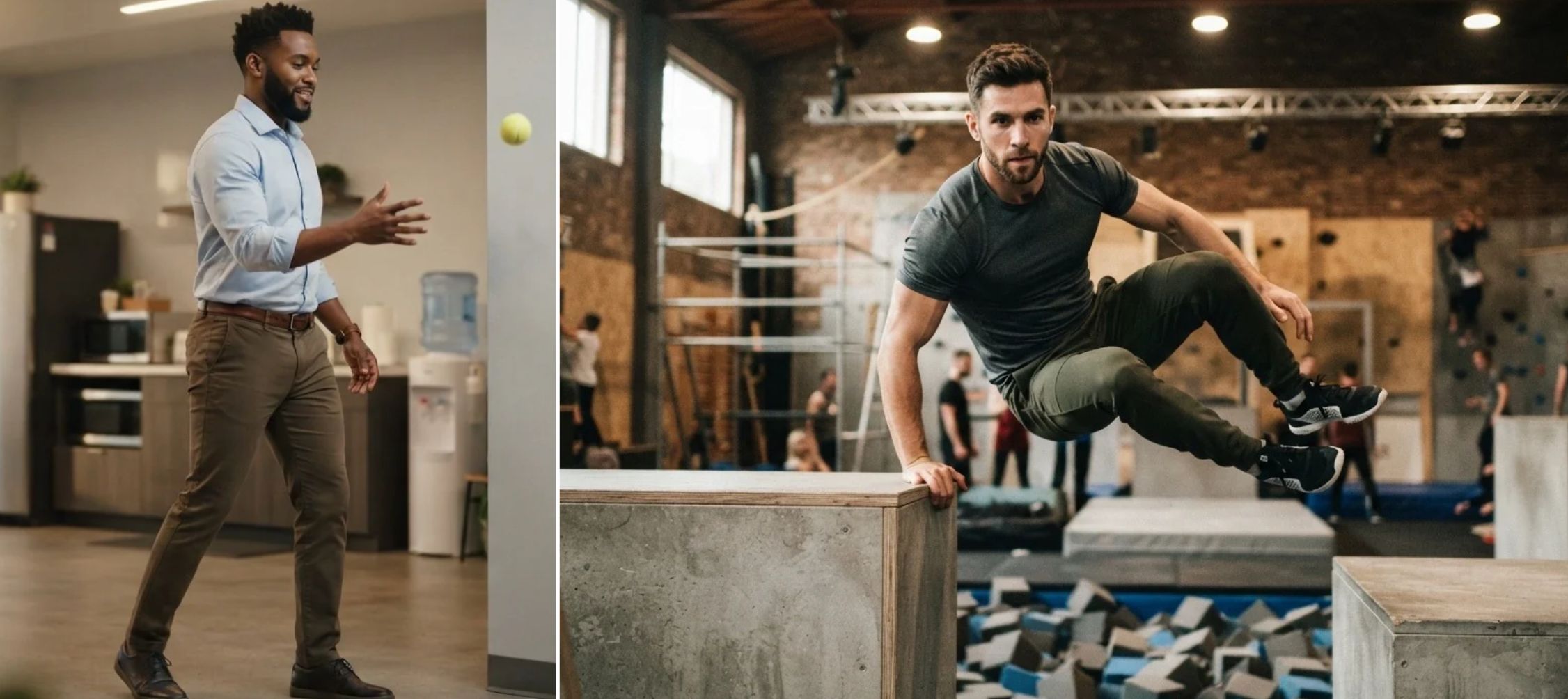

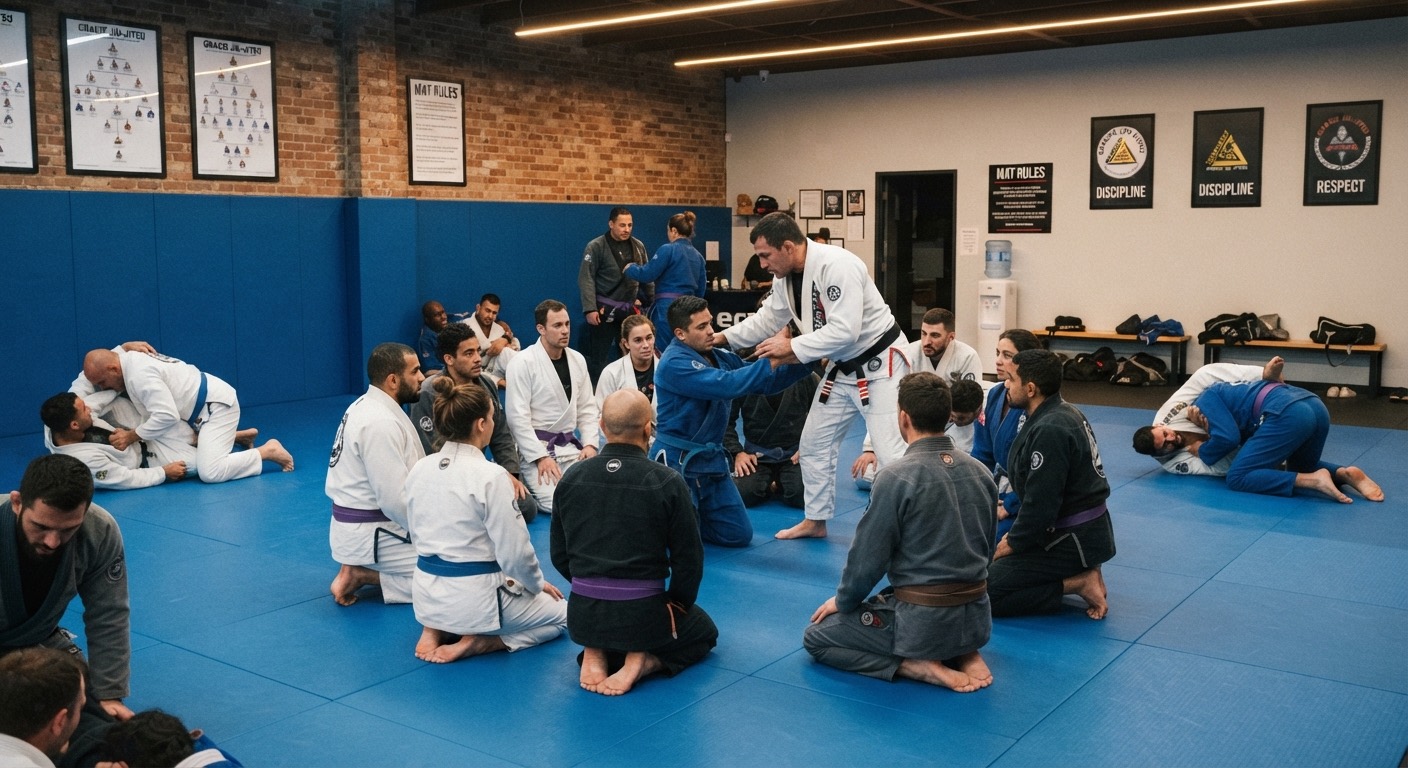
A training mat gives busy professionals a rare place to focus on one immediate task. Deadlines, messages, and meetings fade into the background as you work through unfamiliar movements with a partner. That focused practice can sharpen skills that carry back into the office, including patience, adaptability, and steady decision-making. Brazilian Jiu-Jitsu also provides a structured form of exercise where progress comes through regular practice, close attention, and a willingness to learn from mistakes.
Breaking the Mental Fatigue Cycle
Mental fatigue often builds when the workday demands constant switching between email, video calls, and detailed projects. A training session interrupts that pattern. You must pay attention to your breathing, posture, and partner, leaving little room to replay the afternoon’s problems while you combat daily fatigue.
The value of structured practice is well established in professional settings. Research into workplace training benefits shows how active learning can support engagement, retention, and performance. Mat time follows a similar pattern by pairing instruction with immediate practice and feedback.
To protect that mental reset, silence notifications before class and arrive 10 minutes early. A calm transition helps you enter the session ready to learn instead of carrying the workday onto the mat.
Choosing Purpose-Built Training Apparel
Comfort affects how well you can concentrate during a class. Clothing that shifts, restricts movement, or holds too much heat creates distractions, especially during repeated drills. Choose apparel made for the activity and check the academy’s uniform guidelines before purchasing anything.
For gi classes, look for a jiu-jitsu gi with durable stitching, a secure collar, and a fit that allows free movement through the shoulders and hips. Lightweight fabric may be useful if you train in a warm room or carry your gear to work.
Wash training apparel after every session and let it dry completely before packing it away. Keeping a second set ready can also prevent laundry delays from becoming an excuse to skip class.
Problem Solving Under Physical Pressure
Brazilian Jiu-Jitsu presents a series of practical puzzles. A partner changes position, blocks a movement or creates pressure, and you must respond without rushing. The most effective answer often comes from recognizing the problem early and applying a familiar sequence with control.
That process resembles a demanding workplace decision. A project may lose a team member or a client may revise the scope with little notice. Instead of reacting to the entire problem at once, identify the immediate constraint and choose one useful response.
After class, write down one position that caused difficulty and one question to ask next time. This small review turns a frustrating moment into a specific learning target, much like a short project debrief helps a team improve its next attempt.
Building Consistency Across Demanding Schedules
A sustainable training routine should fit your real calendar. Start with two fixed sessions each week and treat them like appointments. If Tuesday evening regularly fills with late meetings, a morning or weekend class may prove easier to protect.
The same principle appears in effective employee training programs, which work best when goals, schedules, and feedback are clearly defined. Set a modest target, such as attending eight classes over four weeks, then review what interfered with that plan.
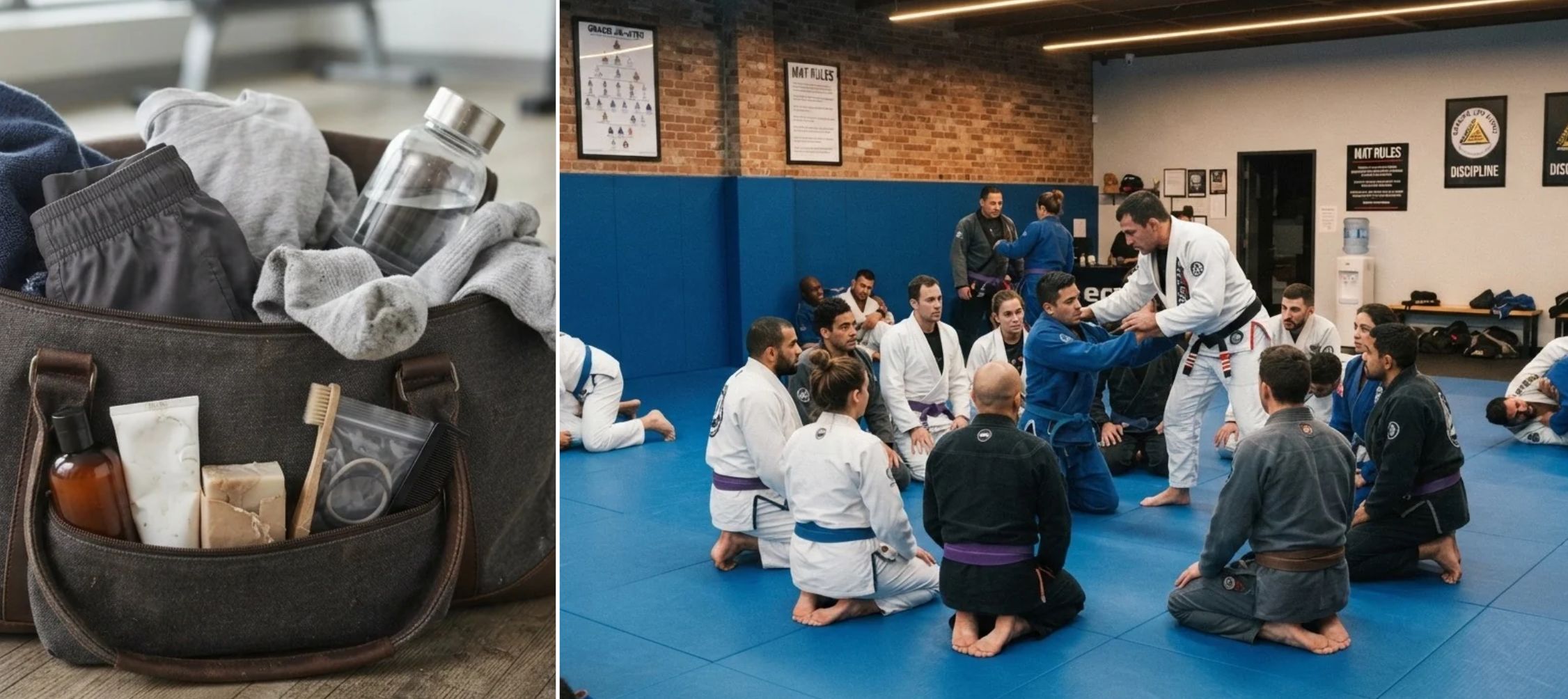
Keep your training bag packed with clean apparel, a water bottle, and basic personal-care items. On hectic days, this removes one more decision between leaving work and reaching class. Consistency grows from a schedule you can repeat, and two dependable sessions will teach you far more than an ambitious plan that disappears after a busy week.