

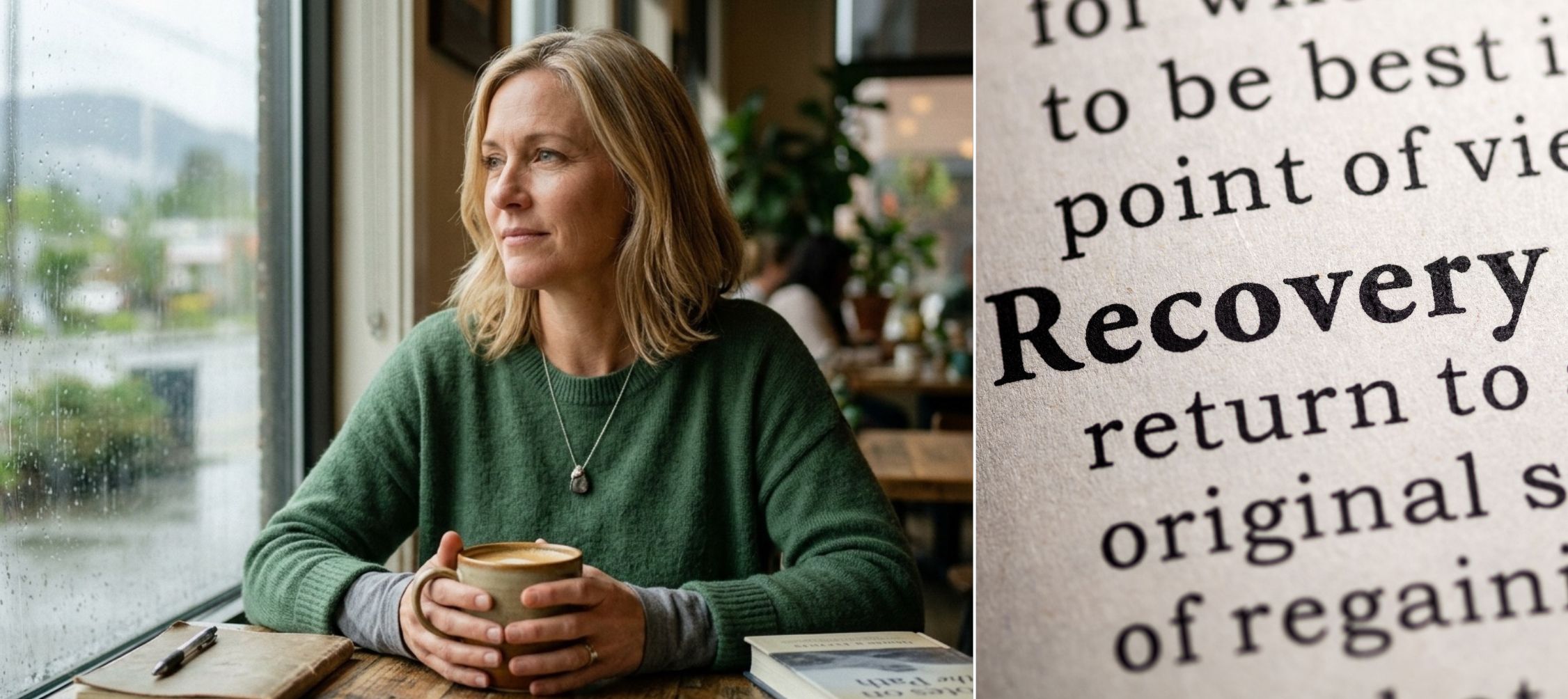
People often talk about giving themselves time to recover, but that phrase can be surprisingly difficult to put into practice. Recovery does not always mean lying down, taking time off, or waiting until a stressful season passes. It often involves rebuilding physical energy, emotional stability, confidence, routines, and relationships that may have changed during a difficult experience. Real recovery in L.A. is less about returning to normal as quickly as possible and more about creating the conditions that allow a person to feel steady again.
When Recovery Calls for More Than Time Alone
Time can soften some difficult experiences, but time by itself does not necessarily resolve ongoing depression, anxiety, trauma responses, or other mental health concerns. Someone may step away from work, take a vacation, reduce obligations, or spend more time at home and still find that their symptoms remain intense.
When more structured treatment becomes necessary, people may look to California luxury mental health facilities, San Diego wellness retreats, and group therapy in San Francisco for professional care in an environment that creates distance from ordinary demands. The purpose of that kind of support is not simply to rest somewhere comfortable, but to combine time away from daily stressors with professional and therapeutic attention to the patterns and symptoms that have made recovery difficult.

Recovery Rarely Happens on a Convenient Timeline
One of the hardest parts of recovery is accepting that the body and mind do not always follow the schedule someone wants them to follow. A person may expect to feel better after a few days off, several therapy sessions, a medical procedure, the end of a demanding project, or the resolution of a difficult relationship. When improvement happens more slowly, frustration can become another source of stress. People may start criticizing themselves for not being “over it” yet, which can make an already difficult season feel like a personal failure.
Recovery is often uneven rather than linear. A person can have several good days followed by a difficult one without losing all the progress that came before it. Energy may return before motivation does, or a person may feel emotionally stronger while still needing more physical rest than usual. Recognizing those fluctuations as part of the process can make it easier to respond thoughtfully instead of treating every setback as evidence that recovery is not working.
Rest Means More Than Simply Doing Nothing
Rest is essential, but different kinds of exhaustion require different kinds of recovery. Someone who has been physically overextended may need more sleep and fewer commitments, while someone who has been mentally overloaded may benefit from reducing decisions, screen time, and constant information. Emotional exhaustion can require safe relationships, therapy, solitude, or space to process experiences that were pushed aside during a stressful period.
The most restorative form of rest depends on what has been depleted. Spending an entire weekend on the couch may help someone physically while leaving them mentally restless or emotionally isolated. Conversely, filling every free moment with social activities and living the L.A. nightlife because they are “fun” may make a person more tired if their nervous system needs quiet. Paying attention to the kind of fatigue a person is experiencing can lead to more effective recovery than simply trying to rest as much as possible.
Rebuilding Routines Slowly
Difficult seasons often disrupt routines that once made life feel predictable. Meals become irregular, sleep schedules drift, exercise disappears, household tasks accumulate, and basic responsibilities can begin to feel larger than they are. When energy starts to return, the temptation is to rebuild everything at once. That can create a cycle in which a person has one highly productive day, becomes depleted, and then feels discouraged when they cannot maintain the same pace.
A gentler approach is to restore a few stabilizing habits first. Consistent sleep and wake times, regular meals, brief movement, medication routines when applicable, and one or two manageable household tasks can provide structure without creating another performance standard.
Reconnecting With People and Activities
Stress, illness, grief, or mental health struggles can quietly shrink a person’s world. They may stop responding to friends, lose interest in hobbies, decline invitations, or become so focused on getting through each day that enjoyable activities disappear. Recovery often involves rediscovering those parts of life without expecting them to feel exactly the way they once did.

Connection is especially important because isolation can make it harder to recognize progress. Trusted people can offer perspective, practical help, companionship, and reminders that someone is more than the difficult season they have been living through. This means creating a balance where recovery includes both solitude and meaningful connection instead of allowing exhaustion to turn into long-term withdrawal.