

Finding a treatment center is one thing. Finding one that can support someone dealing with both addiction and a mental health condition can be much harder.
Many facilities can help someone through detox. The harder question is what happens after that, especially when substance use is happening alongside depression, anxiety, PTSD, or another mental health concern. Families don’t want to finish one part of treatment only to discover that the other part needs to be handled somewhere else.
Legacy Healing Center takes a different approach. The center focuses on adults dealing with substance use and co-occurring mental health conditions, with psychiatric care built into the treatment process rather than treated as an afterthought.
What Legacy Healing Center Actually Does
Legacy Healing Center runs as a residential program with a clinical backbone, not a wellness retreat with a therapist on call. It is Joint Commission-accredited and holds the Gold Seal of Approval™, which is the accreditation body’s marker for health care organizations meeting its performance standards. The Joint Commission is the same body hospitals and health systems answer to, and accreditation for rehab centers is not universal in this industry.
The center has also been recognized as an award-winning detox and rehab facility, which matters less as a marketing line and more as a signal that its clinical processes have held up to outside scrutiny. For families vetting a center sight unseen, that kind of third-party validation does more work than a glossy brochure ever could.
The Doctor Behind the Treatment Plan
What separates Legacy Healing Center from a standard rehab comes down to one clinician. Dr. Ash Bhatt, a quintuple board-certified addiction psychiatrist, shapes the center’s treatment model, giving the program a level of diagnostic and medical oversight that many traditional rehabs simply don’t have on staff.
That matters because addiction and psychiatric illness usually arrive together, not separately. A center that treats the substance use and leaves the underlying depression, anxiety, or trauma response unaddressed is treating half the problem. Having a psychiatrist of that caliber directing the clinical approach means medication management, diagnosis, and therapy decisions run through someone trained specifically in both addiction and psychiatry, rather than being split across providers who rarely talk to each other.
A Continuum Instead of a Single Stop
The second structural thing worth understanding is how care actually progresses once someone is admitted. Treatment runs through a continuum that includes detox, residential care, and step-down programming, so patients move through multiple levels of care instead of being discharged after one phase and left to find the next step on their own.
That continuum design addresses a known failure point in addiction treatment. The National Institute on Drug Abuse notes that treatment needs to be sustained over time rather than delivered as a single short intervention, since relapse risk climbs sharply in the gap between leaving one level of care and starting the next. A center that keeps a patient in its system through that transition removes one of the most common places recovery falls apart.
Built for Complex Cases, Not Quick Stabilization
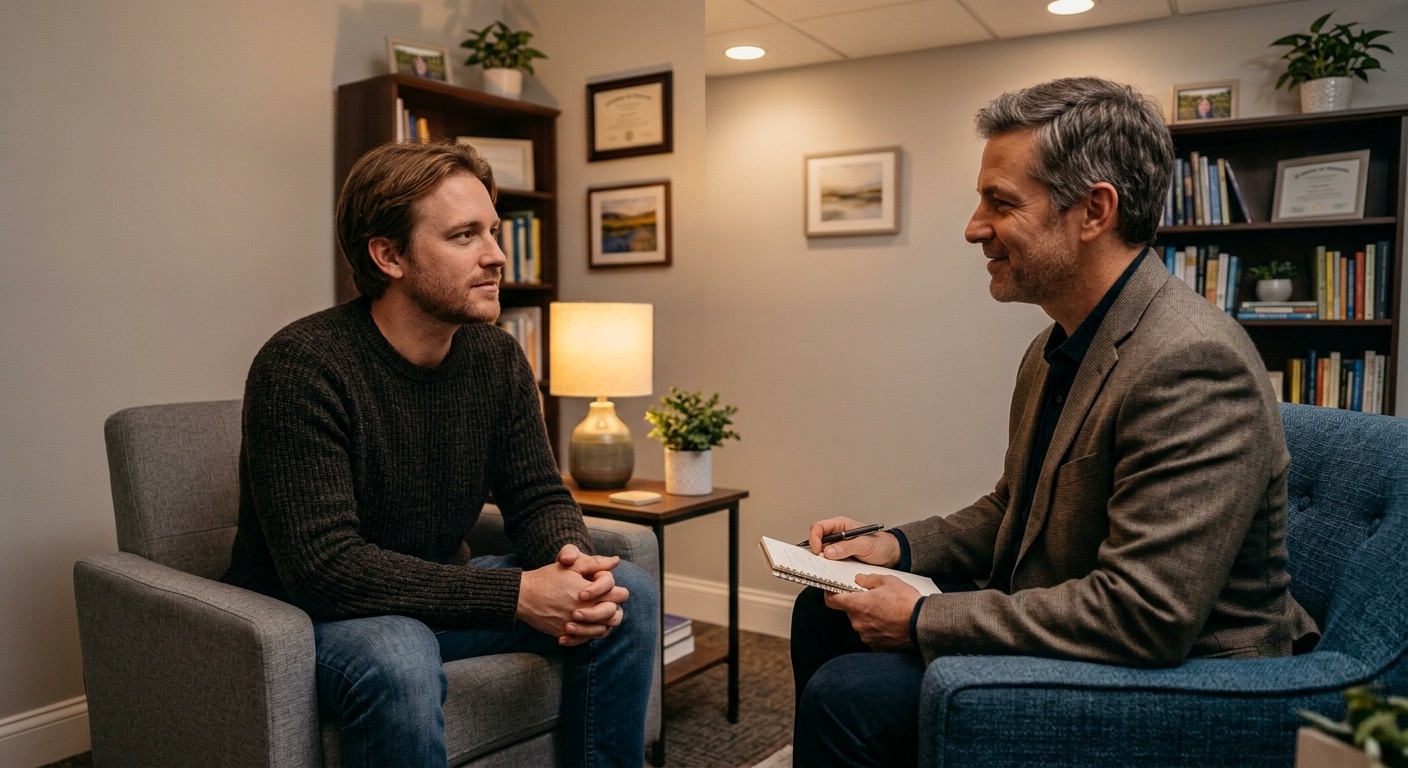
Legacy Healing Center leans heavily on psychiatric care, trauma-informed therapy, and relapse prevention planning, which positions it for people whose cases are genuinely complicated rather than those looking for a short reset. That’s a meaningful distinction. Plenty of rehab programs are built for stabilization: get someone through withdrawal safely, run a short group therapy block, and discharge. That model works fine for some people. It does not work for someone with a co-occurring diagnosis who needs ongoing psychiatric management alongside sobriety work.
The residential setting itself is described as high-end, which is worth naming honestly as a comfort and privacy feature rather than a clinical one. Private rooms, a quieter environment, and fewer people cycling through a facility can matter a great deal for someone doing deep psychiatric work. Still, the setting is a backdrop to the clinical model, not a substitute.
If you’re trying to understand how a dual diagnosis program should be structured before you call anywhere, it helps to see what separates centers equipped to handle co-occurring conditions from ones that aren’t, since that gap shows up fast once treatment actually starts.
Where It Falls Short
No program fits everyone, and a few honest trade-offs are worth flagging.
The clinical intensity is the point, but it’s also a filter. Someone looking for a brief, low-intensity stay, or a lighter-touch outpatient check-in may find the psychiatric-led, continuum-based structure more than they need. This program is built around complexity, and that focus means it isn’t designed as a quick-stop option.
A residential, high-end setting won’t suit every budget or preference. Some people recover better in a more clinical, stripped-down environment, or simply want a facility closer to home with fewer amenities attached to the price.
The reliance on one named physician’s model is a strength until it isn’t. Centers built around a specific clinician’s approach can feel less interchangeable when a family compares several programs side by side, and it’s worth asking directly how that oversight is distributed across the care team day-to-day, not just at intake.
None of these are dealbreakers. They’re the kind of trade-offs that matter more to some families than others, which is exactly why they’re worth naming plainly instead of glossing over.
Who Should Actually Call
Legacy Healing Center fits adults with a diagnosed or suspected co-occurring mental health condition sitting alongside substance use, people who’ve already tried a shorter program and relapsed into the gap between levels of care, and anyone whose family has decided that psychiatric oversight isn’t optional in their search.

It’s a weaker fit for someone seeking a brief detox-only stay with no interest in residential step-down care, or for a case that genuinely is straightforward substance use without a psychiatric component. For readers weighing several facilities side by side rather than one, it can help to see how a broader set of treatment programs stack up on structure and clinical depth before narrowing the list down to calls worth making.
The Verdict
Legacy Healing Center earns its place among dual diagnosis programs through its clinical model. The Joint Commission accreditation and Gold Seal of Approval™ provide independent backing for the continuum-based care structure that closes a gap that trips up many patients elsewhere, and having a quintuple board-certified addiction psychiatrist shape the treatment approach is not something most competitors can claim.
It’s not the right call for someone who needs a short, uncomplicated detox and nothing more. For anyone managing a genuinely layered case, a diagnosed mental health condition tangled up with substance use, a history of relapsing after shorter programs, or a family that wants real psychiatric oversight behind the plan, it’s a program worth putting on the short list and calling directly to talk through fit.