


Between work, kids, and everything else on your plate, the dentist is probably the easiest thing to push to next month. Then next month becomes next quarter, and before you know it, a year has gone by since your last cleaning.
You’re definitely not the only one doing this. A lot of people treat dental care like something they’ll get to eventually, right up until a toothache forces the issue. The problem is that it eventually usually shows up at the worst possible time, and it almost always costs more than it would have if you’d just kept up with things along the way.
Why “Too Busy” Usually Means “Too Expensive Too”
Being busy is real, but it’s rarely the only reason people skip the dentist. Cost is almost always tangled up in there too, even if scheduling gets the blame out loud.
A survey from Byte found that 20 percent of people put off going to the dentist specifically because of scheduling issues, and 30 percent said they waited a month or longer just to get an appointment. When getting in feels like a hassle, it’s easy to tell yourself you’ll deal with it later, especially if you’re also worried about what the bill might look like once you’re there.
What Happens When You Keep Pushing It Off
Small dental problems rarely stay small. A cavity that could have been a simple filling turns into something that needs a crown or a root canal if it sits unchecked for long enough. According to the American Dental Association’s Health Policy Institute, about 1 in 5 working-age adults in the U.S. skip needed dental care every single year, and financial reasons are the most common cause. That adds up to roughly 48 million people putting things off, often not because they don’t care about their teeth, but because the timing and the cost never seem to line up.
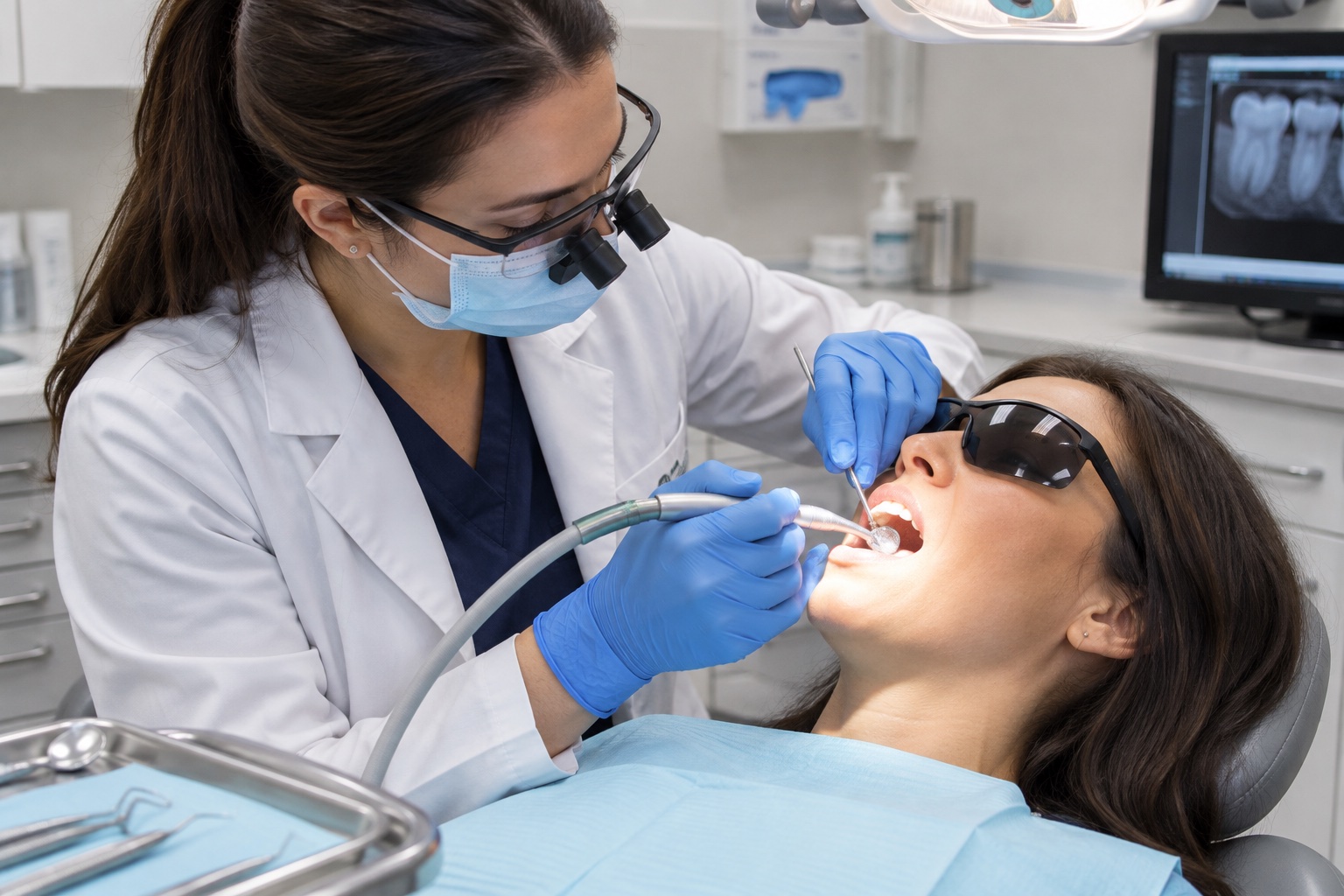
From what we’ve seen, the families who actually stay on top of dental care usually have one thing in common. They treat it like any other recurring appointment, not something they decide on case by case whenever a problem shows up.
Booking your next cleaning before you even leave the current appointment is one of the easiest ways to make this automatic. It takes the decision out of your hands later, when you’re busy and it would be easy to just skip scheduling altogether.
Why Planning Ahead Costs Less Than Waiting
Cost is usually the bigger blocker underneath the busy excuse, and it’s also the part people feel like they have the least control over. This is where having some kind of dental plan in place before you need it actually makes a real difference.
Dental plans work differently from traditional insurance. Instead of dealing with premiums, deductibles, or annual caps, you pay a membership fee and get a discount on services at participating dentists, often somewhere between 10 and 60 percent off.
DentalPlans.com is built around this model, and it tends to appeal to people who either don’t have dental insurance or find that their existing coverage runs out fast once a bigger procedure comes up. Having something like this set up ahead of time means cost is one less reason to delay care when your schedule finally opens up.
Small Habits That Keep You From Falling Behind
Beyond scheduling and cost, a few small habits tend to make the biggest difference over time. Keeping a running list of any tooth pain, sensitivity, or changes you notice, even minor ones, gives you something concrete to bring up instead of trying to remember details months later.

Setting a recurring reminder on your phone for checkups works better than relying on memory, especially once life gets busy again. And if cost has been the real reason you’ve been avoiding the dentist, it’s worth actually comparing what a savings plan would cost you upfront against what you’re already spending on delayed care and emergency visits. In practice, the math often surprises people once they actually sit down and look at it side by side.
The Bottom Line
None of this requires overhauling your whole routine overnight. It just means treating dental care as something you plan for, instead of something you deal with once it becomes a problem you can’t ignore anymore.
Being busy isn’t going away anytime soon, and neither are the costs tied to waiting too long. But a little planning now, whether that’s booking ahead, tracking symptoms, or looking into a plan that makes visits more affordable, usually saves you more time and money than putting things off ever does.