
Outdoor performance depends heavily on what you eat, how consistently you drink and how well you recover between active days. A practical plan can keep your energy steady during a long hike, cycling tour or weekend of adventure sports.
Start with familiar foods, realistic training sessions, and gear that solves genuine problems. Small adjustments made before you leave are far easier than fixing fatigue halfway through the day.
Prepping for Long Duration Activities
Eat a balanced meal two to four hours before extended activity. Include carbohydrates for accessible energy, protein for muscle support and a modest amount of fat. Oatmeal with banana and yogurt works well for a morning start, while rice with eggs and vegetables can suit a later departure.
Pack foods you already tolerate during exercise. The right amount varies by body size, pace and duration, but eating a small portion every 45 to 60 minutes can help prevent a sudden energy drop. These trail-fueling strategies offer useful ideas for portable snacks and longer hiking days.
Some fitness communities also discuss SARMs and peptides for performance goals. These products can carry significant health and regulatory concerns, and independent certification doesn’t establish that a product is safe or suitable for personal use.
Speak with a qualified medical professional before considering any performance-enhancing substance, especially if you take medication, compete under anti-doping rules or have an existing health condition.
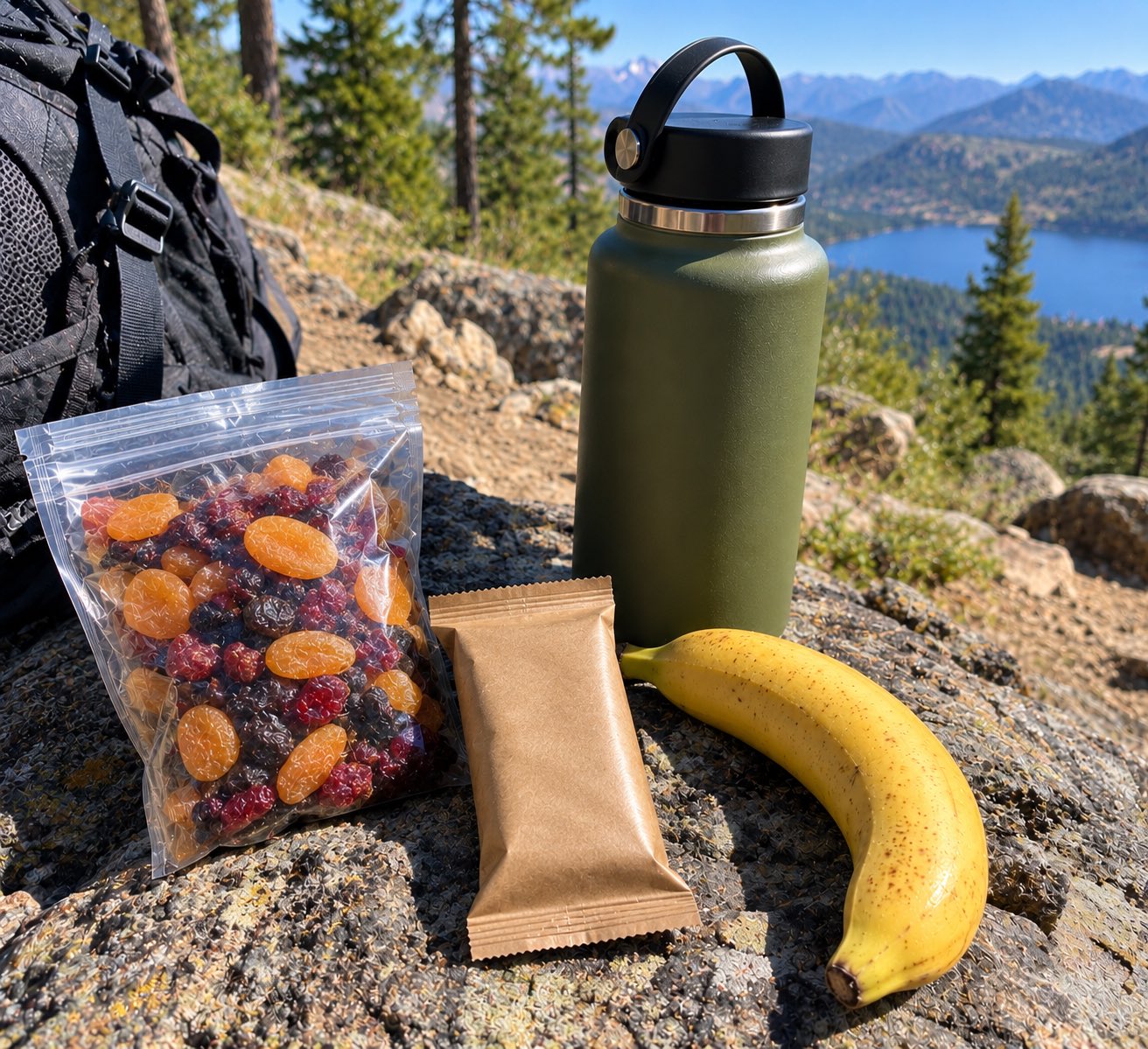
For food, build a simple pack around:
- Dried fruit or a banana
- Crackers, pretzels or a soft wrap
- Nut butter in a sealed packet
- A familiar energy bar
- An extra snack reserved for delays
Hydration Strategies on the Go
Begin an outing well hydrated instead of trying to catch up after you start. Pale yellow urine generally suggests adequate hydration, though supplements, foods and medications can affect its color. Drink normally with breakfast and take a few measured sips shortly before departure.
During activity, follow a flexible schedule based on the weather, intensity and your sweat rate. Frequent small drinks are usually more comfortable than consuming a large volume at once. The guidance on exercise fueling and hydration also explains how needs change before, during and after physical activity.
Plain water may be enough for a short outing in mild conditions. For several hours of steady movement, especially in heat, a drink containing electrolytes and carbohydrates may help replace some of what you lose through sweat. Test it during training because concentrated mixes can upset the stomach.
Carry more water than your optimistic estimate requires. Route changes, missed turns and unexpected heat can extend a day, so include a reserve appropriate for the setting.
Supporting Recovery After Exertion
Recovery starts soon after you stop moving. Within a couple of hours, eat a meal or snack containing carbohydrates and protein. Chocolate milk, a fruit smoothie with yogurt or a turkey sandwich can be convenient when a full meal isn’t ready.
Keep drinking after the activity, particularly if your clothes are salt-stained or you finished feeling unusually thirsty. Pair fluids with a normal meal that contains some sodium. Very large amounts of plain water consumed quickly can create problems, so spread your intake over time and let thirst, conditions and urine color guide you.
Sleep also affects how ready you feel the following day. Give yourself enough time to cool down, eat and settle before bed. If your legs feel stiff, five to ten minutes of easy walking and gentle mobility work may feel better than staying completely still.

Persistent pain, dark urine, confusion, faintness or symptoms that worsen after rest deserve medical attention. Normal tiredness should gradually improve. Sharp pain or severe whole-body symptoms shouldn’t be treated as a routine part of outdoor exercise.
Essential Gear for Outdoor Performance
Useful outdoor gear supports food, hydration, comfort and safe movement. Choose items for the actual route and forecast instead of packing every accessory you own. A short urban trail requires a different setup from an isolated full-day hike.
Start with footwear that fits properly and has already been worn on shorter outings. New shoes can cause blisters within the first few miles. Moisture-managing socks, weather-appropriate layers and sun protection also have an immediate effect on comfort.
Your basic performance kit might include:
- A comfortable daypack or running vest
- Water bottles or a cleaned hydration reservoir
- A simple first-aid kit
- Food stored in easy-to-reach pockets
- A charged phone and backup battery
- A paper route map where reception may be unreliable
- A lightweight rain layer
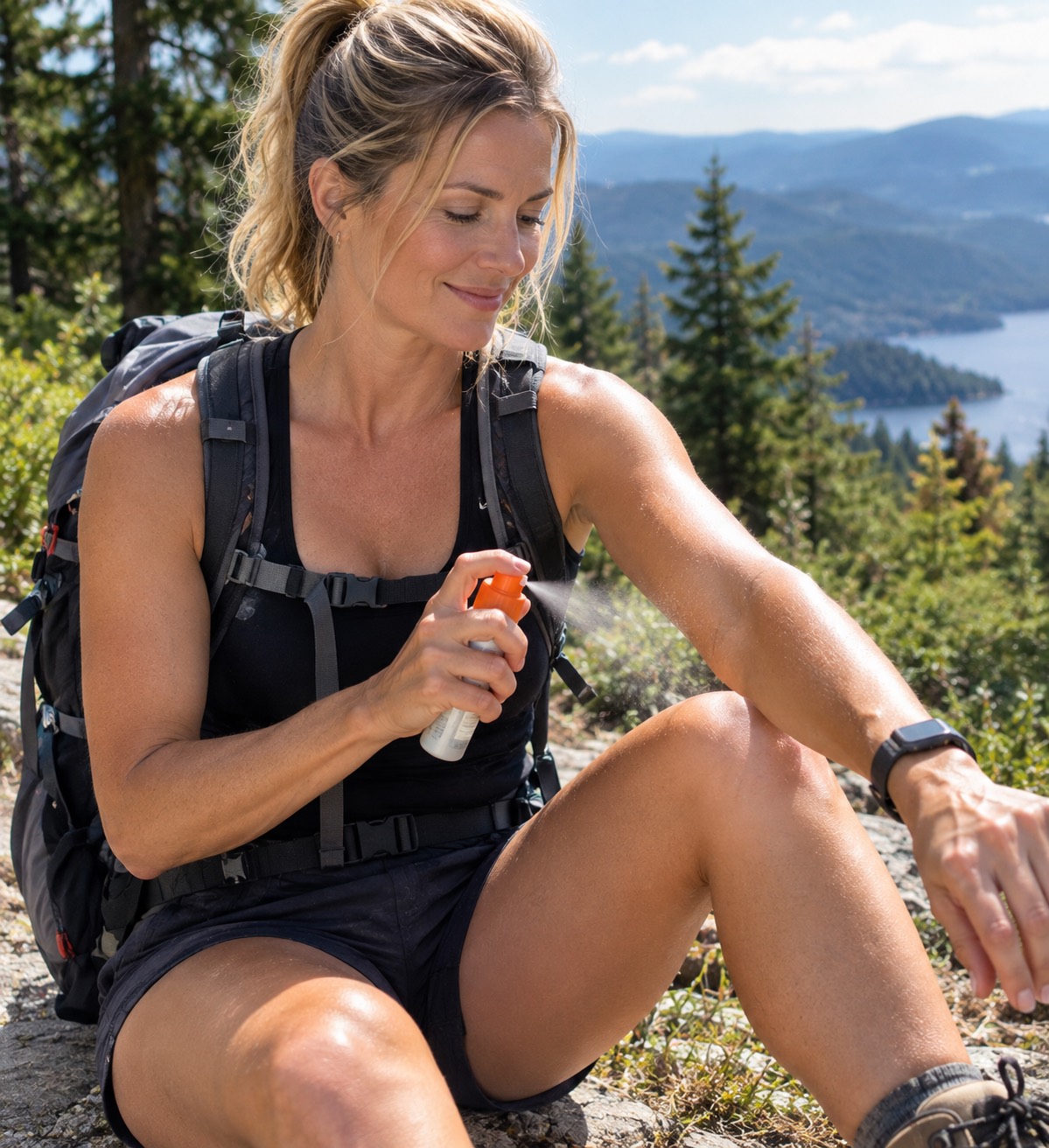
- Sun protection and insect repellent
Keep frequently used items accessible. If drinking requires stopping, unpacking your bag and finding a bottle at the bottom, you’ll probably drink less often. Check your kit the night before and replace expired food, leaking containers or worn straps before they become problems outside.
Building Endurance Safely and Effectively
Build endurance through regular, manageable sessions. If your current comfortable hike lasts one hour, jumping directly to a six-hour route may overload your muscles, feet and joints. Extend one weekly outing by about 10 to 20 minutes, then watch how your body responds over the next day.
Keep most sessions at an effort where you can speak in full sentences. Add hills, speed or extra distance one variable at a time so you can identify what caused soreness or fatigue. Strength work two days per week can also support outdoor performance. Squats, step-ups, calf raises and loaded carries train movement patterns used on uneven ground.
Schedule easier days after demanding sessions. Reduced energy, poor sleep, irritability and declining performance can signal that your training load is rising too quickly. An extra recovery day often protects more progress than forcing another hard workout.
Before your next long outing, complete a shorter practice session using the same breakfast, snacks, hydration plan and footwear. Treat that rehearsal as a systems check. Finishing with steady energy and comfortable feet is a more useful sign of readiness than chasing a faster pace.