


A wellness retreat can give you space to reset your routines, reduce stress, and focus on health without everyday distractions. The benefits often depend on what happens before you arrive. Unresolved health concerns, an overloaded itinerary, or unclear expectations can turn a restorative trip into a frustrating one.
Preparation should cover your physical health, emotional needs, and practical responsibilities. A thoughtful plan also helps you choose a retreat that fits your goals, from a quiet weekend close to home to a structured program with fitness classes, nutrition support, and guided relaxation.
Setting Intentions for a Healthier You
Start with one or two outcomes you can describe clearly. “Feel better” leaves too much room for interpretation, while “sleep for seven uninterrupted hours” or “learn a five-minute breathing practice” gives you something concrete to work toward. Your goals should suit the retreat’s length and program. A three-day stay might help you establish a morning routine, but a long-standing health concern needs continued professional care after you return.
Review several retreat formats before booking. This guide to wellness retreats for adults covers options that combine movement, nutrition, and restorative activities. More structured health retreat programs may suit guests who want scheduled consultations or guided classes. If mental rest is your main priority, HoopLA’s roundup of California wellness getaways offers useful inspiration.
Once you have a shortlist, ask for a sample daily schedule. Check how much free time is built in, how physically demanding the activities are, and whether attendance is optional. A schedule that runs from sunrise through dinner may sound productive but leave little room to decompress.
Write your intentions in a note you can revisit during the stay. Include the habits you want to practice, the feelings you want to encourage, and any boundaries you need, such as keeping your phone off until lunch. This gives your retreat a personal purpose without putting pressure on every hour.
The Role of Oral Health in Holistic Wellness
Dental discomfort can affect eating, sleeping, and concentration, all of which shape your retreat experience. Schedule a routine dental visit well before departure if you have persistent sensitivity, gum swelling, jaw discomfort, or pain when chewing. Leaving enough time for an evaluation also reduces the chance that treatment and recovery will collide with your travel dates.
Wisdom teeth deserve attention when they cause recurring pain, infection, or pressure near neighboring teeth. If an oral surgeon recommends wisdom tooth extraction, discuss the expected recovery period before confirming a retreat. Individuals who are experiencing or anticipating wisdom tooth problems may need surgical removal to help prevent painful complications. Your surgeon can explain timing based on the position of the teeth and your individual case.
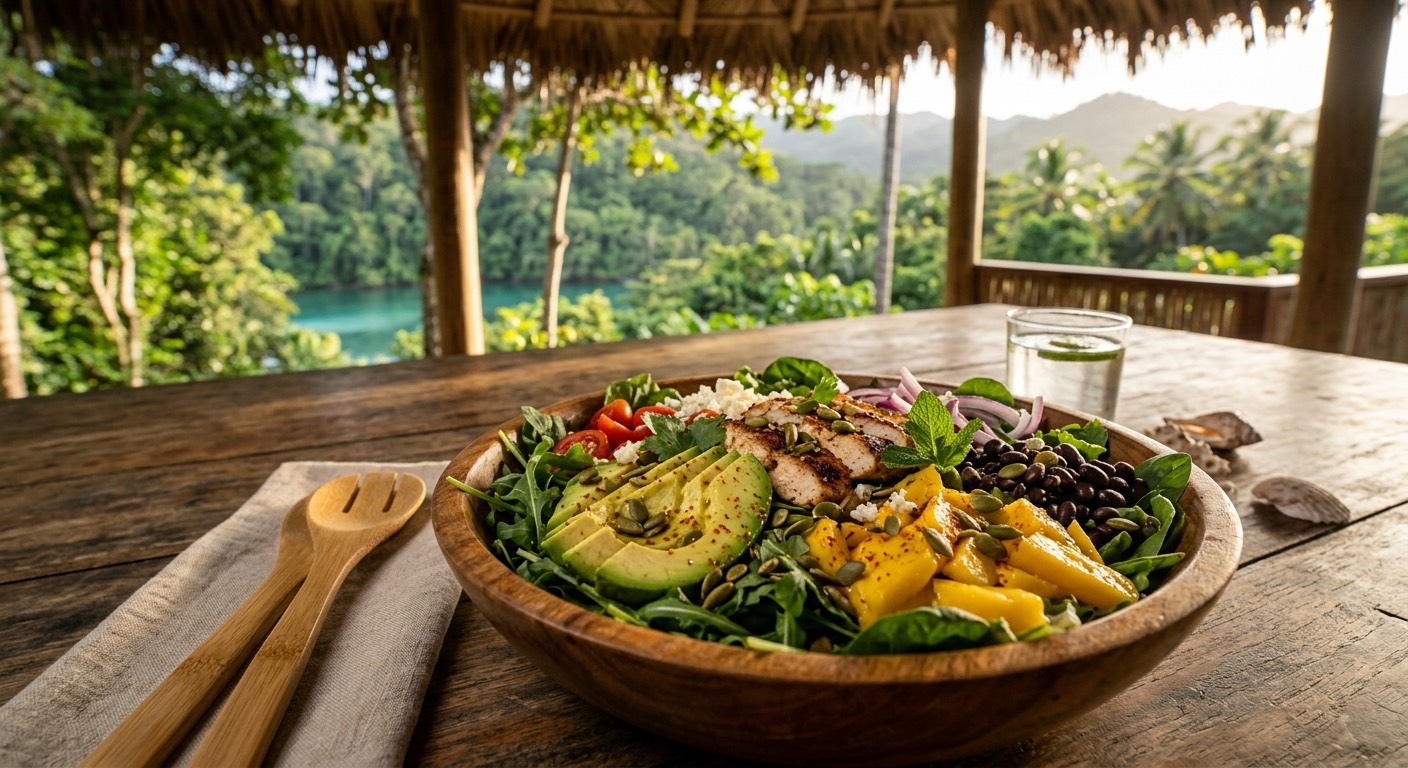
Avoid scheduling major dental care immediately before a program centered on vigorous exercise or a fixed menu. Early recovery may involve swelling, fatigue, and temporary food restrictions. A retreat’s plant-forward meals can still contain crunchy vegetables, seeds, and other foods that may be uncomfortable during healing.
Give yourself a practical buffer between treatment and travel. Ask your provider when you may resume exercise, what foods are appropriate, and which symptoms require follow-up. Keep any needed aftercare supplies accessible instead of placing them in checked luggage. If discomfort begins during your trip, contact a qualified dental professional instead of waiting until you get home.
Pre-Wellness Checklists: More Than Just Diet
Food preferences matter, but a useful pre-retreat checklist reaches much further. Start by reading the program’s activity descriptions and honest difficulty levels. “All levels” can cover anything from gentle stretching to a lengthy uphill walk, so ask about duration, terrain, and available modifications.
Review the property’s cancellation terms and medical policies. Some destinations offer wellness education but don’t provide clinical care. A clear wellness retreat guide can help you understand common program features, though you should confirm services directly with the property before paying a deposit.
A short checklist can prevent common problems:
- Refill prescriptions and pack them in their original labeled containers
- Share allergies, mobility needs, and dietary restrictions before arrival
- Bring broken-in shoes, comfortable layers and weather-appropriate clothing
- Save emergency contacts and travel details somewhere accessible offline
- Arrange home, pet and work responsibilities before departure
- Check phone service, transportation options and arrival times

Sleep also deserves advance attention. Moving bedtime by 30 minutes every few nights can ease the adjustment if the retreat starts earlier than your usual routine. Cutting back on late caffeine may help you settle into a quieter schedule without spending the first two days feeling drained.
Pack familiar essentials instead of buying an entirely new wellness wardrobe. A reusable water bottle, sun protection, a small notebook, and supportive footwear will often prove more useful than specialized accessories. Leave some room in your bag and your schedule. Rest works better when every moment doesn’t require a decision.
Avoiding Health Setbacks on Your Journey
Your retreat should match your current abilities, not the fitness level you hope to reach someday. Review the planned activities with a health professional if you manage a chronic condition, recently had a procedure, or haven’t exercised consistently. Tell retreat staff about relevant limitations when you arrive, even if you already entered them on a registration form.
Resist the urge to double your normal exercise volume on day one. If you usually walk for 30 minutes, a morning hike followed by strength training, swimming, and an evening movement class may be too sharp an increase. Choose one primary activity, see how your body responds, and add more only if you recover comfortably. Pain, dizziness, unusual shortness of breath, or persistent nausea are signals to stop and seek appropriate help.
Destination research matters too. Lists of international wellness retreats can introduce remarkable settings, but longer flights, time-zone changes, and unfamiliar climates add physical demands. Build an easy arrival day into the plan and check local weather before packing.
Hydration and regular meals support steady energy, especially in warm climates or at higher elevations. Follow medical dietary guidance you already have, and don’t begin an extreme cleanse without speaking to a qualified professional. Keep taking prescribed medication unless your clinician tells you otherwise.
Protect the return home as carefully as the trip itself. Avoid booking a late flight followed by an early meeting, and leave simple food ready for your first day back. The most useful retreat souvenir may be a realistic routine you can repeat on a common Tuesday, long after the scenery has changed.