
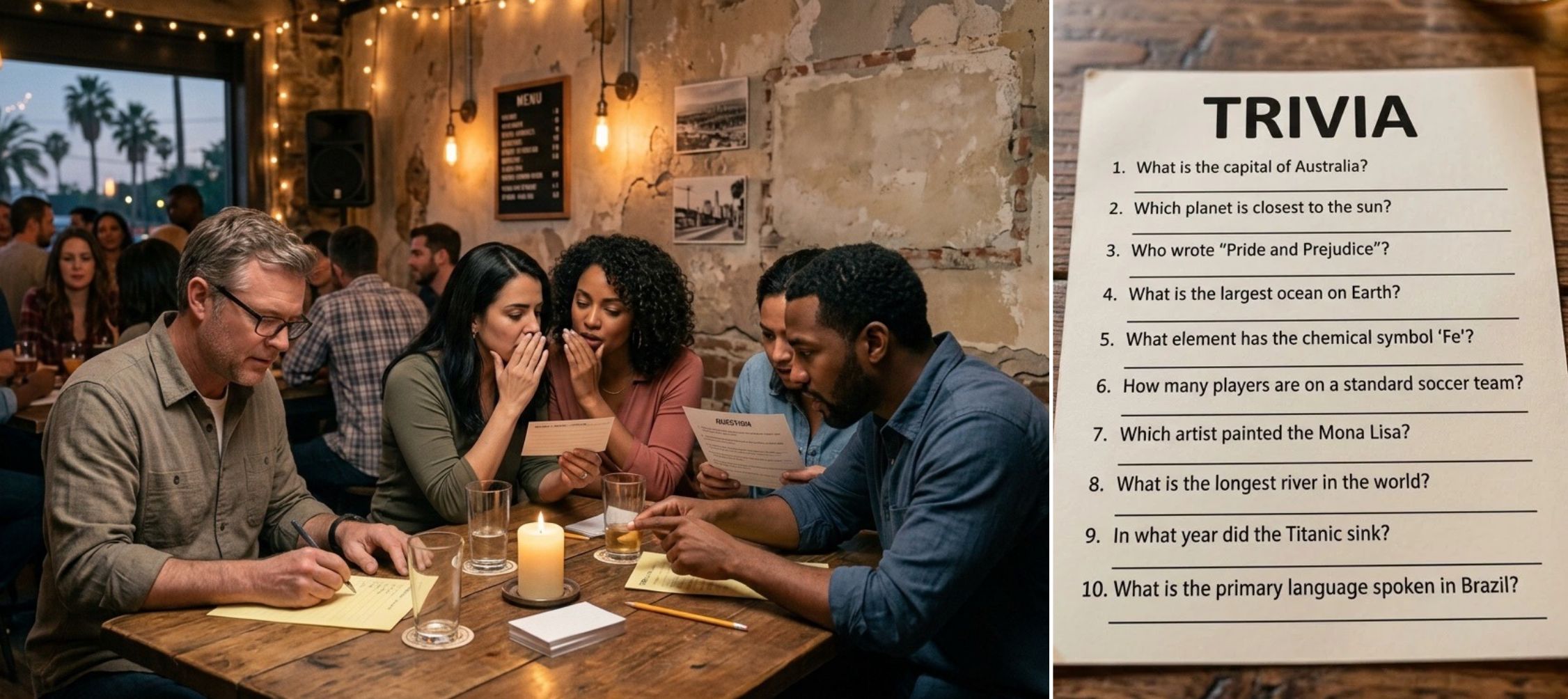
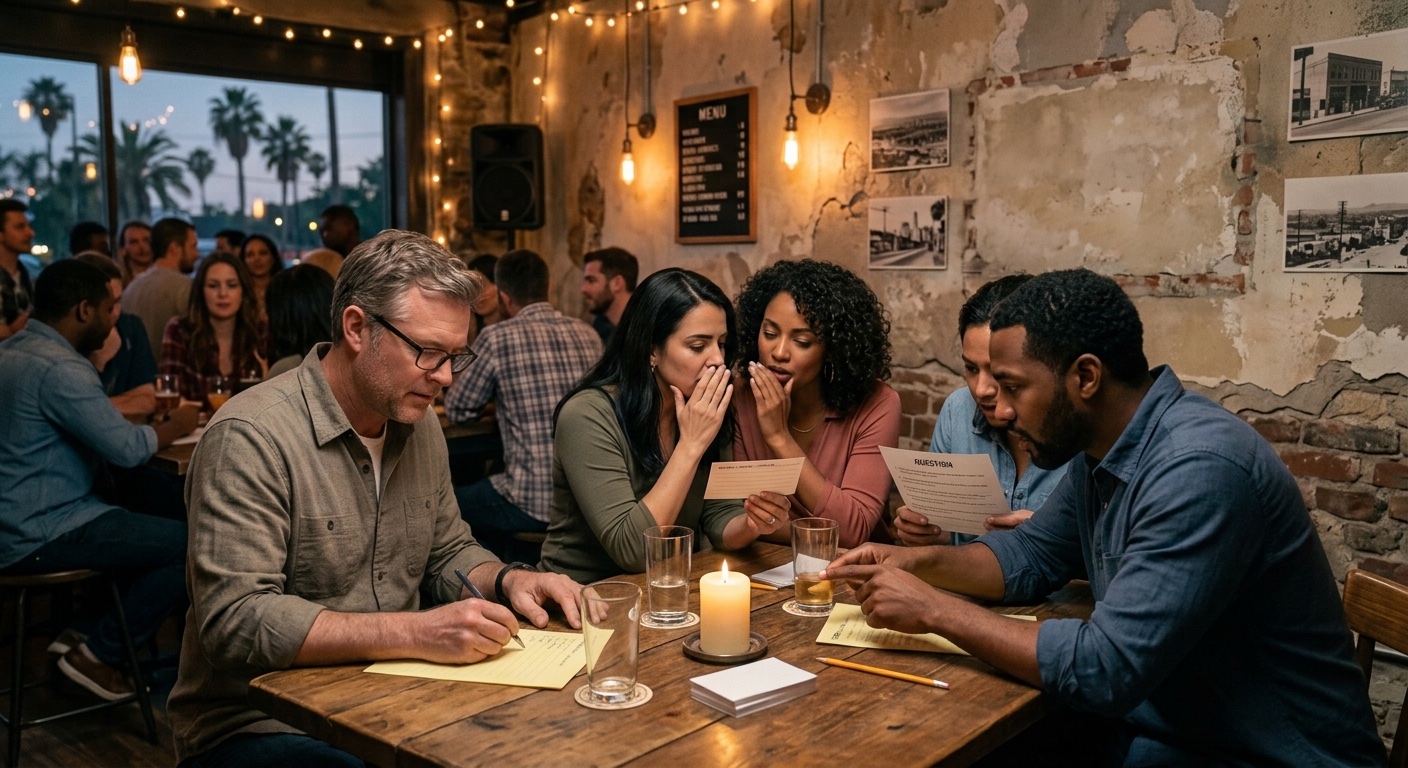
Human beings are inherently narrative creatures, wired to make sense of the world through shared mythologies, icons, and memorable cultural moments. In an era marked by rapid content consumption and fragmented entertainment streams, finding common ground can often feel surprisingly difficult. Yet, whether gathered around a lively pub table with friends or participating in a corporate virtual social hour across time zones, nothing bridges social barriers quite as effectively as friendly competitive games. When planning an engaging social mixer, incorporating curated sets of pop culture trivia questions and answers transforms a routine gathering into an energizing, shared celebration of collective memory. From iconic movie quotes and chart-topping musical milestones to breakthrough television finales and viral internet folklore, modern trivia provides far more than mere intellectual amusement; it serves as a powerful catalyst for authentic community building, active recall, and dopamine-driven engagement.
The Cognitive and Emotional Architecture of Trivia
To appreciate why trivia nights remain evergreen across diverse demographics, one must look at how the human brain processes recognition, nostalgia, and social play. Far from being a passive recitation of dry facts, engaging in entertainment quiz games triggers complex neurochemical and cognitive responses.
The Dopamine Loop of the “Tip-of-the-Tongue” State
We have all experienced the distinct psychological phenomenon of knowing an answer without immediately being able to verbalize it. Cognitive psychologists classify this as the “tip-of-the-tongue” (TOT) state – a momentary retrieval failure accompanied by the strong feeling that retrieval is imminent. When team members collaborate, bouncing hints off one another until the missing puzzle piece clicks into place, the brain releases a surge of dopamine. This sudden realization, known colloquially as the “Eureka!” or Aha! moment, delivers an immediate reward that elevates mood, sharpens alertness, and cements social bonding among participants.
Nostalgia as Social Glue
Pop culture operates as an emotional time capsule. Recalling the plot twist of a 1990s thriller, hum-singing the melody of an early 2000s hit single, or identifying a classic video game sound effect instantly transports players back to specific formative eras in their lives. Psychological studies on nostalgia show that reflecting on positive shared cultural milestones fosters feelings of social connectedness, decreases loneliness, and promotes empathy among peers. In diverse social circles or cross-generational workplaces, discussing widely recognized cultural milestones levels the conversational playing field, ensuring that seniority or formal background takes a back seat to enthusiasm and shared memory.
The Evolution of Entertainment Consumption: From Water Coolers to Algorithmic Feeds
The way we interact with pop culture has shifted drastically over the past few decades, directly influencing how trivia challenges are structured and played today.
The Linear Television Era: Universal Touchstones
In the late 20th century, entertainment consumption was largely centralized. Primetime television broadcasts, blockbuster cinematic releases, and terrestrial radio stations dictated the cultural rhythm. Millions of people simultaneously watched legendary sitcom finales, live awards ceremonies, and Saturday morning cartoons. Trivia from this classic golden age focuses heavily on broad, universal milestones—moments that nearly anyone living through that decade experienced concurrently.

The Streaming Age: Niche Micro-Cultures and Binge Watching
Today, the rise of on-demand streaming platforms, personalized recommendation algorithms, and hyper-targeted social media feeds has fractured the cultural landscape into rich micro-communities. While this provides unprecedented diversity in entertainment, it has also created distinct subcultures. Contemporary trivia reflects this evolution by testing deeper, niche knowledge alongside viral trends. A competitive round might now test knowledge of high-fantasy streaming lore, viral podcast phenomena, digital creator milestones, and cinematic multiverse continuity all within the same session.
5 Hallmarks of an Exceptional Trivia Experience
Crafting a memorable quiz event requires deliberate pacing, balance, and audience empathy. Whether you are hosting an intimate game night at home or orchestrating a large-scale company retreat, incorporating these five structural principles ensures a frictionless, high-energy event:
- Balanced Difficulty Curves: A poorly designed quiz can quickly alienate players if questions are either insultingly trivial or punishingly esoteric. The best rounds follow a balanced distribution: roughly 40% accessible warmup questions to build confidence, 40% moderately challenging prompts that spark group debate, and 20% high-stakes tiebreakers for dedicated aficionados.
- Dynamic Multi-Media Formats: Long gone are the days when a quiz consisted solely of someone reading monotone text prompts off an index card. Modern hosts incorporate soundbites (reversing audio tracks or identifying instrumental film scores), visual zoom-ins (identifying famous album covers or film stills from microscopic crops), and video clips to engage auditory and visual learners alike.
- Inclusive, Cross-Era Theming: To prevent generational divides, thematic categories should interweave different historical decades. A round focusing on famous screen detectives, for instance, might pair classic mid-century noir icons with contemporary streaming sleuths, allowing younger participants and seasoned veterans to contribute equally to their team’s score.
- Active Collaborative Mechanics: Designing questions with multi-part answers encourages lively round-table brainstorming. For example, asking teams to identify not only the movie title but also its director and release year invites collaborative consensus rather than having one dominant player answer on behalf of everyone else.
- Polished Pacing and Clear Adjudication: High-energy games maintain momentum. Staggering question reveals, setting strict time windows for submissions, and establishing transparent rules for spelling variations or alternative answer wordings prevents disputes and keeps the room focused on enjoyment.
Designing Curated Rounds: Themes That Spark Debate
If you are developing an original quiz slate, choosing creative themes rather than generic category headers elevates the entire experience. Here are several engaging category archetypes that consistently ignite lively conversation:
The “Before & After” Hybrid
Inspired by classic word-puzzle games, this format challenges teams to connect two distinct pop culture entities that share a common word. For example: “The reality show featuring Gordon Ramsay’s fiery kitchen critiques merges with a beloved 1990s sitcom about a Will Smith moving in with his affluent California relatives” (Answer: Hell’s Kitchen + The Fresh Prince of Bel-Air = Hell’s Kitchen of Bel-Air). This encourages associative thinking and linguistic agility.
One-Hit Wonders and Forgotten Anthems
Music-based rounds possess an unparalleled ability to revitalize an auditorium. Instead of playing well-known choruses, test players on opening basslines, memorable one-hit wonders from past decades, or famous songs sampled within modern rap and hip-hop hits. This taps directly into auditory memory and frequently leads to spontaneous sing-alongs.
Box Office Bombs That Became Cult Classics
Not every masterpiece achieved instant critical or commercial acclaim upon release. Structuring a round around films or albums that were initially panned by critics – only to achieve legendary cult status, critical re-evaluation, or record-breaking home video success years later – invites spirited debate regarding artistic merit and changing societal tastes.
The Strategic Role of Play in Modern Work Culture
In contemporary corporate settings, particularly within hybrid and fully remote organizations, fostering organic employee engagement remains a primary objective for leadership and human resources teams. Traditional corporate team-building exercises often feel rigid or performative, resulting in muted participation.
Structured cultural games offer an organic alternative. By temporarily removing workplace hierarchies and placing everyone on equal footing, trivia sessions:
- Promote Psychological Safety: Friendly competition in low-stakes environments allows colleagues to share ideas without fear of professional consequences.
- Cultivate Lateral Thinking: Brainstorming clues requires non-linear reasoning, active listening, and collective negotiation—skills that directly translate into effective daily cross-functional collaboration.
- Encourage Spontaneous Vulnerability: Expressing personal passions—whether it is an encyclopedic knowledge of superhero lore, vintage culinary trends, or animated classics – humanizes team members and deepens interpersonal trust.
In a digital landscape often characterized by ephemeral scrolling and transient media cycles, communal games remind us of the enduring value of storytelling and connection. Engaging with popular culture through trivia is not an exercise in memorizing superficial facts; it is a shared celebration of the art, humor, characters, and sounds that have shaped our personal and collective identities.
By thoughtfully designing games that blend nostalgia, diverse themes, and collaborative mechanics, hosts can turn any gathering into a vibrant forum of connection. Ultimately, the lasting joy of trivia lies not in hoisting a trophy at the end of the evening, but in the laughter, camaraderie, and spirited conversations that unfold around the table along the way.