

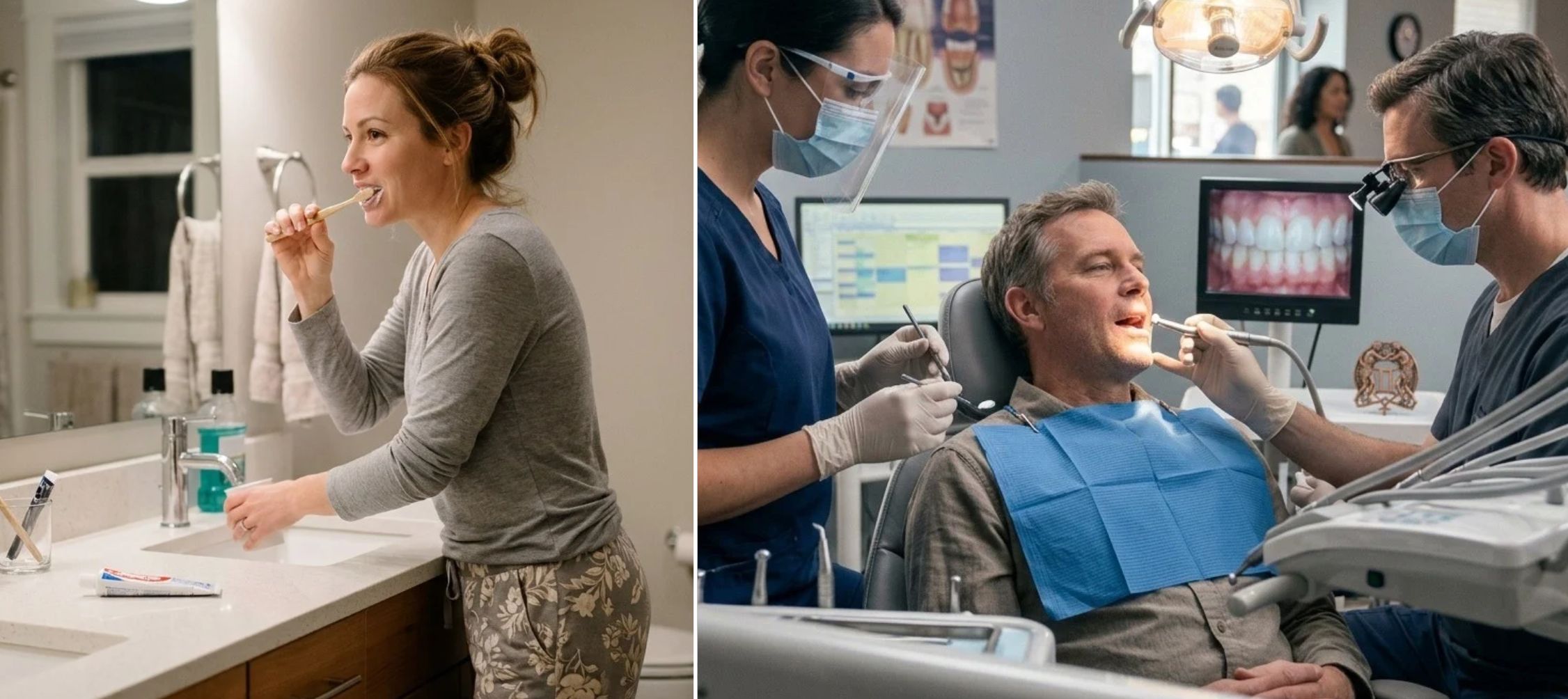
A brighter smile starts with consistent dental hygiene, supported by tools that make daily care easier and professional materials that produce natural-looking results. Toothbrush design, water flossers, digital scanners, and modern restorative composites have all changed how people care for their teeth. Understanding what each option does can help you build a practical routine and have more useful conversations with your dental team.
Build a Strong Daily Routine
Brush twice a day for two minutes each time using fluoride toothpaste and a soft-bristled brush. Hold the brush at a slight angle near the gumline, then clean the outer, inner, and chewing surfaces with gentle movements. Heavy pressure can irritate your gums and wear down enamel over time.
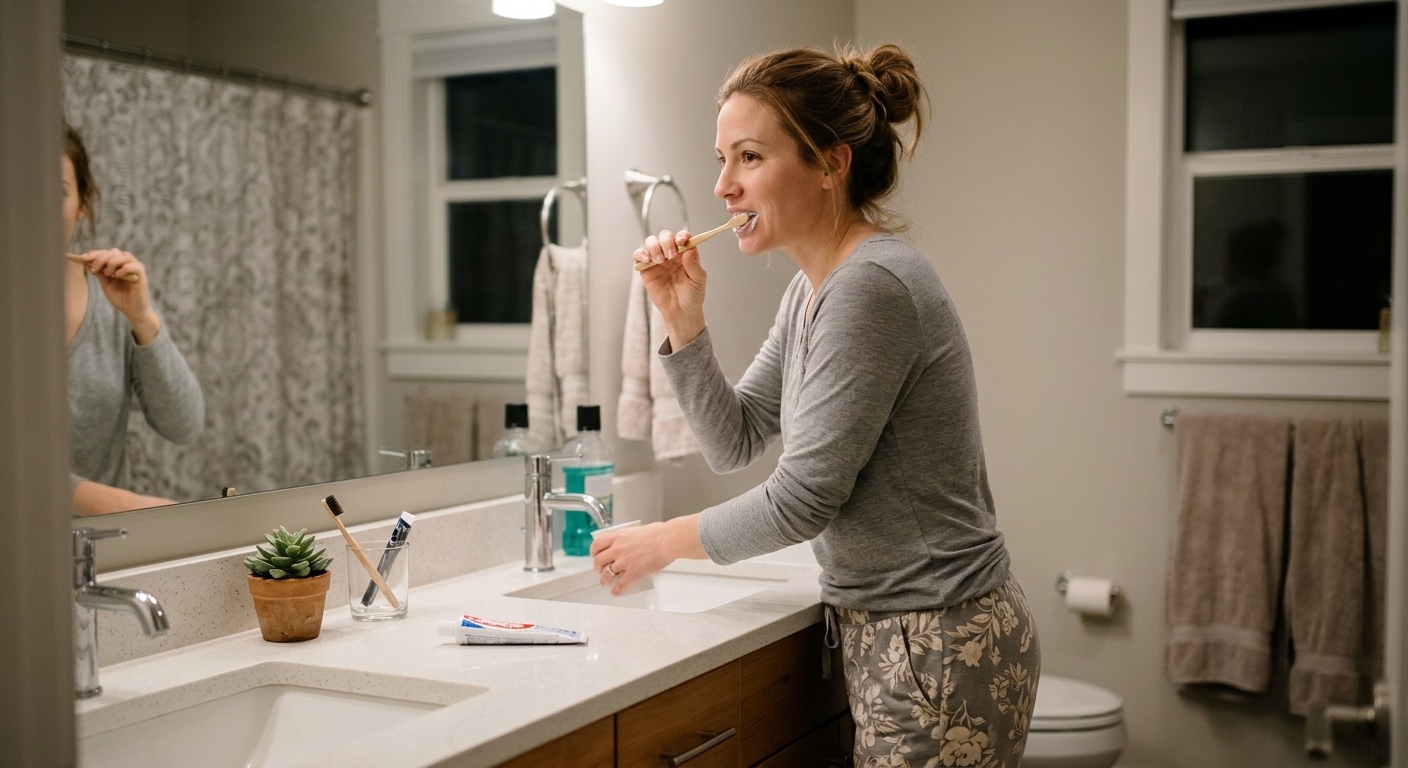
Cleaning between your teeth once a day is equally valuable because a toothbrush can’t reach every narrow space. The National Institute of Dental and Craniofacial Research provides clear oral hygiene guidance covering brushing, flossing and routine dental visits. If standard string floss feels difficult, ask your dental professional about floss holders, interdental brushes or a water flosser.
Know What Goes Into a Natural-Looking Restoration
When a tooth needs repair, the material and placement technique affect its appearance, comfort and durability. Tooth-colored composite resin can be shaped directly in the mouth to restore chipped, worn or decayed areas. Dentists select shades and levels of translucency that help the restoration blend with the surrounding enamel.
Dental professionals comparing composite systems and shade-matching technology can review manufacturers such as Tokuyama Dental, which develops and manufactures advanced dental materials through its own research, production and quality-control processes. As a patient, you don’t need to master the technical details. You can still ask which material your dentist recommends, how it will match your natural tooth and what care it will require afterward.
Choose Tools You’ll Actually Use
An electric toothbrush can be useful if you tend to rush, apply too much pressure or miss sections of your mouth. Many models include two-minute timers, 30-second pacing alerts and pressure sensors. A manual brush can also work well when you use proper technique consistently.
Water flossers are helpful for people with braces, bridges, or limited hand mobility. Interdental brushes may fit larger spaces between teeth, while traditional floss often works well for tight contacts. This overview of dental hygiene tools offers a useful starting point. Choose one method that feels manageable, then use it daily. An expensive device sitting in a cabinet won’t improve your oral health.

Use Whitening Products Carefully
Whitening toothpaste mainly removes surface stains caused by foods and drinks. Products containing peroxide can lighten the color within a tooth, though results depend on the source of discoloration. Fillings, crowns, and veneers won’t whiten along with natural enamel, which can create uneven color.
Talk with a dentist before using a strong whitening product, especially if you have sensitive teeth, gum recession or untreated decay. They can identify why a tooth looks darker and recommend an appropriate option. Follow the product’s timing instructions exactly. Leaving whitening gel on longer can increase sensitivity without delivering a better result. Stop using it if you develop persistent pain or noticeable gum irritation.
Let Technology Improve Your Dental Visits
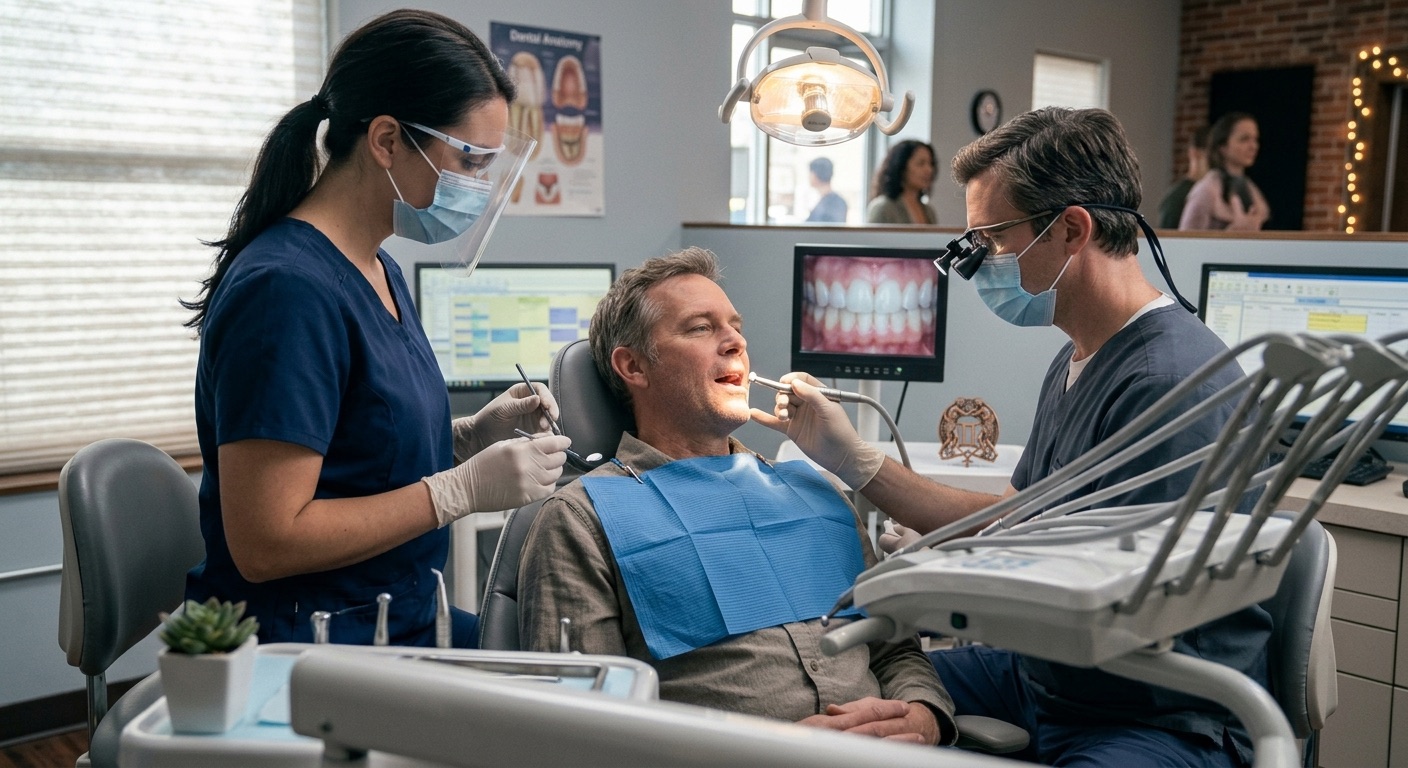
Modern dental offices may use digital X-rays, intraoral cameras, and optical scanners to gather detailed information with less inconvenience. An intraoral camera can show a magnified view of a cracked filling or inflamed gumline on a nearby screen. That visual context makes treatment discussions easier to follow.
Digital scanners can create a three-dimensional model without traditional impression trays in many cases. The resulting file may help a laboratory design aligners, crowns, or other restorations with precise measurements. These systems don’t replace a dentist’s clinical judgment, but they can support diagnosis, planning and communication. During an appointment, ask to see the images and have your dentist explain what they reveal.
Keep Professional Care on the Calendar
Your home routine controls plaque from day to day, while professional appointments address problems that are harder to detect yourself. A dental team can remove hardened tartar, evaluate gum health, and check restorations for wear. The timing of visits depends on your medical history, cavity risk and current gum condition, so follow the schedule recommended for you.
Contact the office sooner if you notice bleeding that continues for more than a week, pain when biting, a broken restoration, or sensitivity that lingers after hot or cold foods. Early assessment often gives your dentist more treatment options. Bring your current toothbrush or a photo of the products you use if you want specific advice. Small technique adjustments can make familiar tools much more effective.
Modern materials can repair teeth discreetly, but their long-term success still depends on ordinary habits. Give your toothbrush a full two minutes tonight, clean between every tooth, and pay attention to any spot that feels tender or rough. Those details give both you and your dental team useful information.