

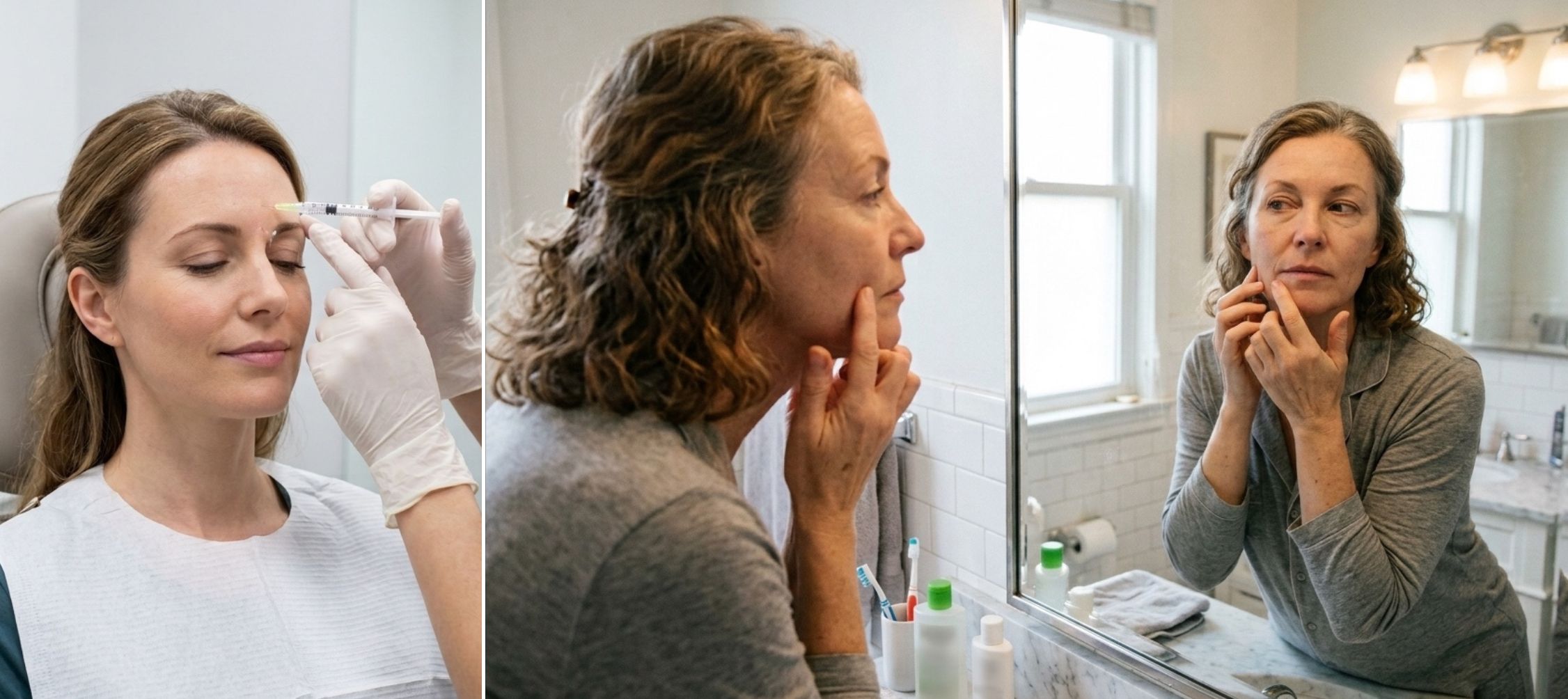
If you walk into any beauty store, you’ll find shelves filled with products promising firmer skin, fewer wrinkles, and a more youthful appearance. From expensive serums to overnight creams, the skincare industry offers seemingly endless solutions to facial aging. But how much can these products really accomplish?
The answer depends on what you’re trying to improve. Skincare can make a noticeable difference, but understanding its limitations can save money, frustration, and unrealistic expectations.
What Skincare Does Well
A good skincare routine can improve hydration, texture, uneven pigmentation, and the appearance of fine lines. Certain ingredients have stronger scientific support than others, making it worthwhile to look beyond marketing claims.
Retinoids, including retinol, can help improve fine lines, skin texture and uneven pigmentation. Vitamin C may help address some visible effects of sun exposure, while moisturizers temporarily plump the skin and make fine lines less noticeable. If anything, taking vitamin C won’t harm you and the supplement itself, along with others can be highly beneficial for many areas of your body and your ongoing health.
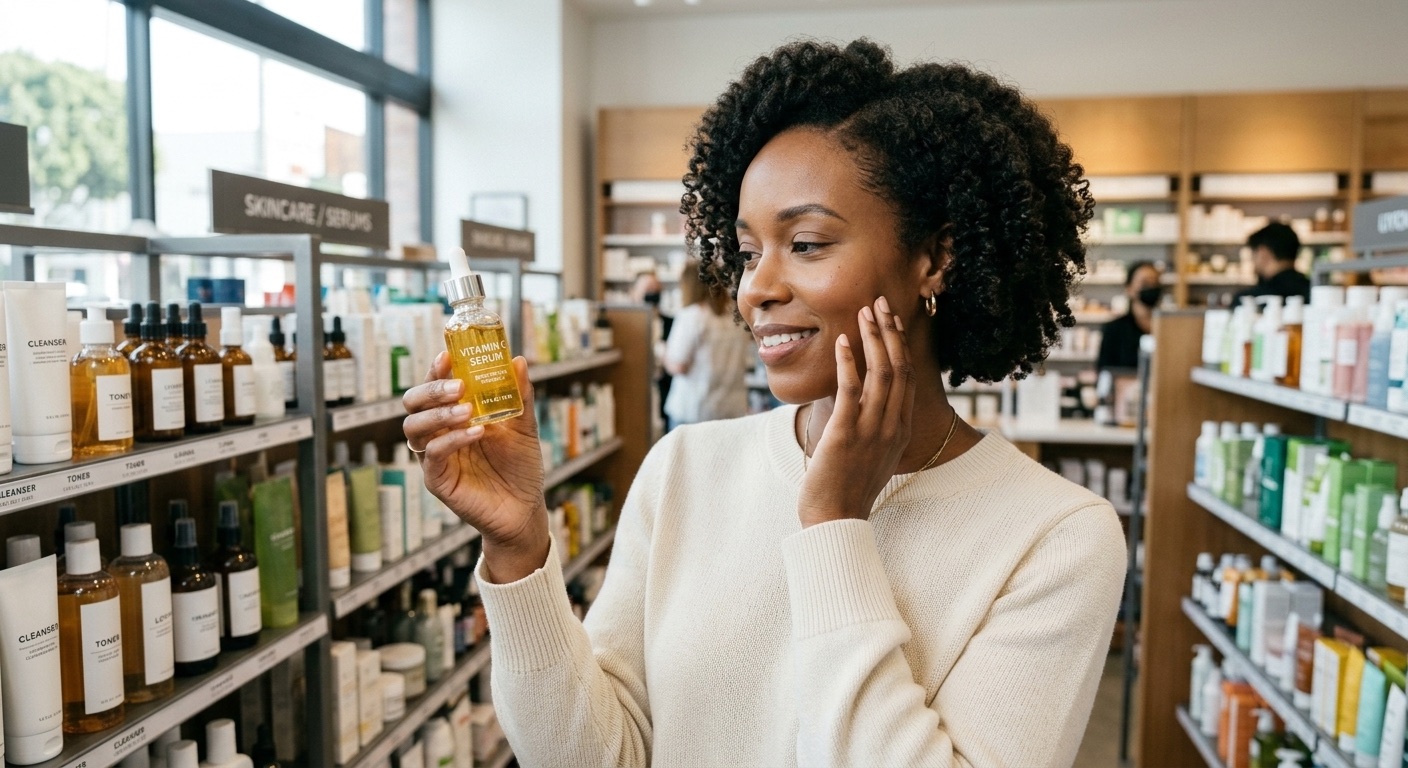
According to the American Academy of Dermatology, sunscreen and moisturizer are two of the most effective foundations of an anti-aging skincare routine.
Daily sun protection is particularly important because ultraviolet exposure contributes to premature skin aging. Even an expensive skincare routine can be undermined by years of unprotected sun exposure.
Where Skin Care Reaches its Limits
Facial aging involves much more than changes to the skin’s surface. Over time, the face also experiences changes in fat distribution, connective tissues and underlying bone structure. These changes can contribute to hollowing beneath the eyes, less prominent cheeks, deeper folds around the mouth, and what can be best be described as a softer jawline.
While creams and serums can improve skin quality, they can’t restore significant lost facial volume or reposition sagging tissues in a reliable way. Products advertised as providing an instant facelift may temporarily tighten or smooth the skin, but their effects shouldn’t be confused with structural changes. This distinction is important to understand because it helps to explain why two people of the same age can experience facial aging very differently.
What about professional facial treatments?
When skincare isn’t producing the desired results, some people explore professional treatments. These range from minimally invasive procedures to surgical options, depending on individual concerns.
Botulinum toxin (popularly called “botox”) injections can temporarily soften certain expression lines, while dermal fillers may restore volume in selected areas. Laser treatments and chemical peels can address particular concerns involving skin texture, pigmentation, and fine wrinkles.
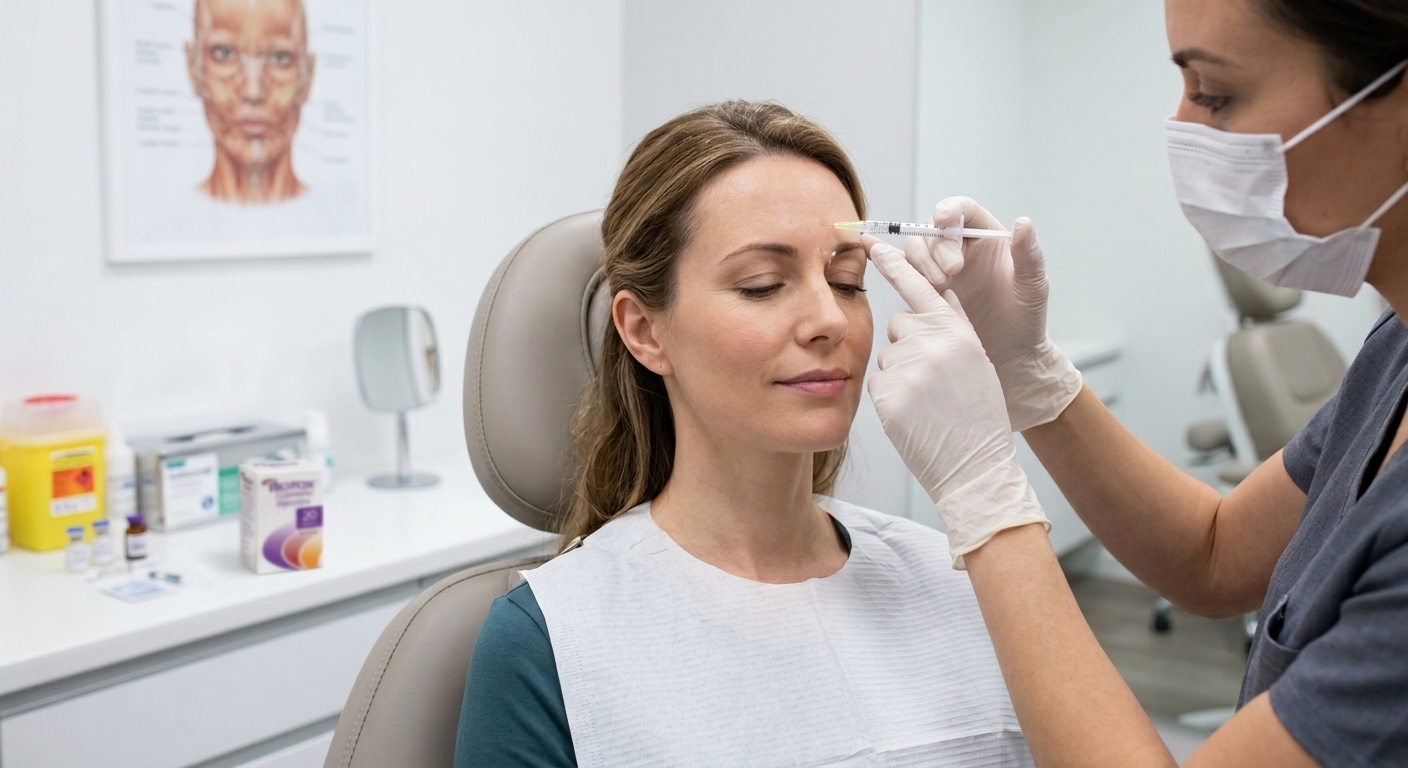
For more significant changes involving sagging skin or facial contours, facial rejuvenation procedures may be considered. The important distinction is that different treatments address different aspects of aging, and none is appropriate for everyone.
The American Society of Plastic Surgeons explains that facelift surgery addresses visible changes such as sagging cheeks, jowls, and loose neck skin, while other treatments may be used to improve skin quality or replace lost volume.
Professional treatments also involve costs, limitations and potential risks that should be discussed with a qualified medical professional.
Finding the right balance
It’s easy to become overwhelmed by beauty trends, particularly when social media promotes dramatic before-and-after transformations. Yet healthy skin doesn’t require an elaborate routine or a cabinet full of expensive products.
Consistency matters more than constantly chasing the newest ingredient. Sun protection, appropriate moisturizers and carefully selected active ingredients can provide meaningful benefits over time.
For anyone considering additional treatments, understanding what is actually changing in the face is a useful starting point. Sometimes the concern is primarily skin texture. Other times, it’s a change in volume or facial structure.
Ultimately, skincare and professional treatments aren’t necessarily competing approaches. They serve different purposes, and understanding those differences makes it easier to make informed decisions.
Aging is natural, and choosing whether to address its visible effects is entirely personal. The goal shouldn’t be to stop time, but to understand what’s possible and make choices that feel right for you.