

Creative work becomes financially sustainable when you give each dollar a clear purpose. Income from photography, design, writing or handmade products may begin as extra cash, but irregular payments and growing expenses can quickly complicate your budget. A few practical systems can help you protect the enjoyment of your craft while building a steadier financial foundation around it.
Turning Hobbies Into Income Streams
Start with one offer that is easy to explain, price and deliver. A photographer might sell 30-minute portrait sessions, while an illustrator could offer a small collection of digital prints. This keeps your initial costs controlled and helps you learn what customers will pay for.

Review this guide to turning passion into paychecks for more ideas on packaging creative skills. Keep in mind that some interests are better left outside your business. The case for hobbies without hustles is a useful reminder that rest and creativity still have value without a price tag. Test an idea for 30 days before buying expensive tools, subscriptions or inventory.
The Ups and Downs of Freelance Pay
Freelance income rarely arrives on the same date each month. Plan your spending around your lowest typical month, then give stronger months specific jobs. If monthly earnings range from $2,000 to $4,500, build your basic budget around $2,000 instead of treating the higher figure as normal.
Set aside part of every payment for taxes, future expenses and slow periods. Separate accounts can make those categories easier to track. If existing obligations become difficult during a low-income stretch, contact service providers early and ask about payment options. Reporting on gig economy debt challenges featuring Daniel Tilipman also highlights the mismatch between fluctuating earnings and repayment products built around regular paychecks. Knowing your average monthly income gives you better information for those conversations.
Planning for Your Financial Future
Build a cash reserve in stages. An initial goal of $500 can cover a small equipment repair or delayed invoice. From there, work toward one month of core expenses, followed by several months if your income remains unpredictable.
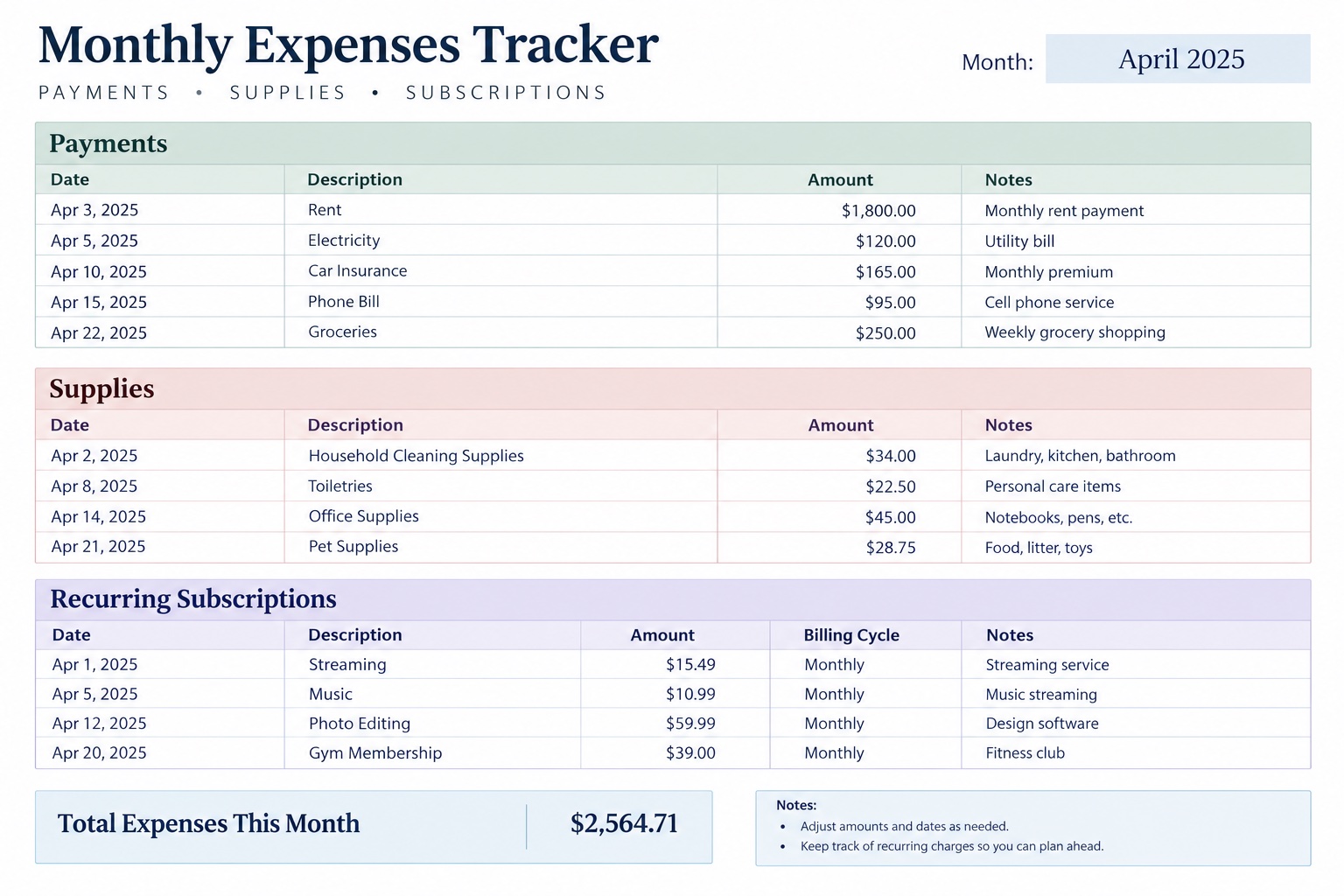
Track business and personal costs separately, even if your creative work is still small. A simple spreadsheet can record payment dates, fees, supplies and recurring subscriptions. Review it once a week so overdue invoices don’t disappear into your inbox. Long-term planning can also include several types of revenue, such as services, products and licensed work. HoopLA’s overview of eight business income streams offers practical options, though adding one stream at a time will make performance easier to measure.
Investing in Your Creative Business
Spend first on improvements tied to a specific result. A $20 invoicing tool may be worthwhile if it saves two hours each month, while a costly software package with unused features can wait. Before making a purchase, estimate how many sales it must generate to pay for itself. A $300 printer that adds $10 in profit per order needs 30 orders to break even.
Your own labor deserves the same attention. Include preparation, revisions, customer messages and delivery time when setting prices. If a $150 project takes 10 total hours and costs $25 to complete, your earnings are $12.50 per hour before taxes. That calculation gives you a clear basis for raising rates, simplifying the service or declining work that drains your schedule.
Creative income feels more manageable once irregular earnings have a routine behind them. Keep a running record of your true hourly earnings and review it before accepting the next project. That single number can reveal which parts of your creative business deserve more time and which ones have stopped paying their way.