
Watching your child thrive in sports is a special part of being a parent. But let’s be honest, the costs can quickly pile up. Registration fees, travel, equipment – it can feel overwhelming. The good news is you don’t have to empty your wallet to keep your young athlete in the game. With a little planning and some smart shopping, you can manage the cost of youth sports without cutting corners on safety or quality.
Prioritize Essential Gear First
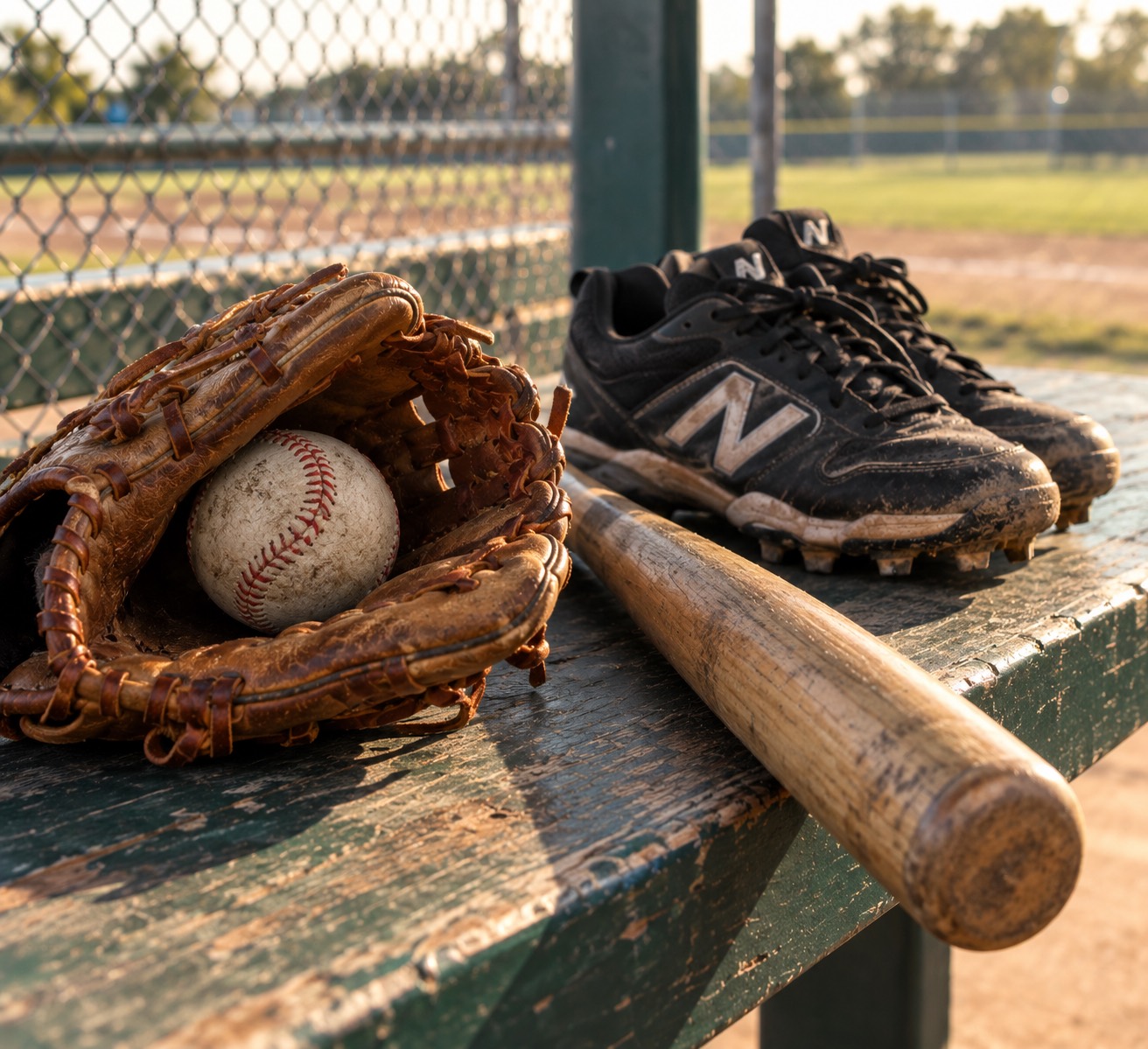
When that first equipment list lands in your hands, it’s easy to think you need to buy everything brand new and top-of-the-line. The first step to smart spending is figuring out what’s truly essential and what’s just a “nice-to-have.” Essential gear is anything your child needs to play safely. This means things like cleats for soccer, a glove for baseball, or specific protective pads for their sport.
Non-essential items might be the most expensive bat, a fancy equipment bag, or multiple pairs of pricey athletic socks. Start by only buying the mandatory equipment. You can always add those “nice-to-have” items later if your budget allows. It also helps to understand what truly makes something modern fitness essentials versus just a popular brand. Often, a mid-range item from a good brand performs just as well and offers the same safety as the most expensive option.
Investing in Critical Safety Gear
While hunting for deals is smart for most items, safety equipment is where you should never compromise. Protective gear is your child’s first defense against injury. Investing in high-quality, properly certified equipment isn’t something to skimp on. This includes helmets, mouthguards, and sport-specific padding. Cutting corners here can lead to serious consequences that far outweigh any money you might save upfront.
For high-impact sports like football, the helmet is the most important piece of protective gear. When you’re outfitting a player, make sure to prioritize a certified, well-designed helmet. Investing in high-quality varsity helmets that meet or exceed safety standards offers crucial protection, often fits better, and feels more comfortable, letting your child focus on the game. Always check for safety certifications like the NOCSAE seal to confirm the equipment has been tested and proven effective. This isn’t just a piece of equipment; it’s an investment in your child’s well-being.
Understanding Equipment Lifespan
Not all sports gear is made the same, and it certainly doesn’t all last the same amount of time. Knowing how long you can expect an item to hold up helps you budget better in the long run. Some things are pretty much disposable and need replacing every year, or even more often. Think about mouthguards, which should be replaced each season, or socks and athletic tape that get used up quickly.
Other equipment is built to last. A good baseball glove, once broken in, can stick around for many seasons. Similarly, a well-made equipment bag can handle years of being tossed in cars and on fields. When you buy items with a longer potential lifespan, it often makes sense to spend a little more on quality upfront. A durable pair of cleats might cost more initially but could save you from having to buy a replacement pair mid-season. Teach your child to take care of their gear, cleaning it regularly and storing it correctly can really make it last longer.
Shop Smart for Sports Uniforms
Uniform costs can be another big expense, especially when teams require specific branded items. But there are several ways to be a smart shopper here too. First, read the uniform requirements carefully. Often, you only need to buy the official game jersey and pants from the league’s designated supplier. Practice jerseys, socks, and other accessories can often be generic brands bought for much less at a regular sporting goods store.
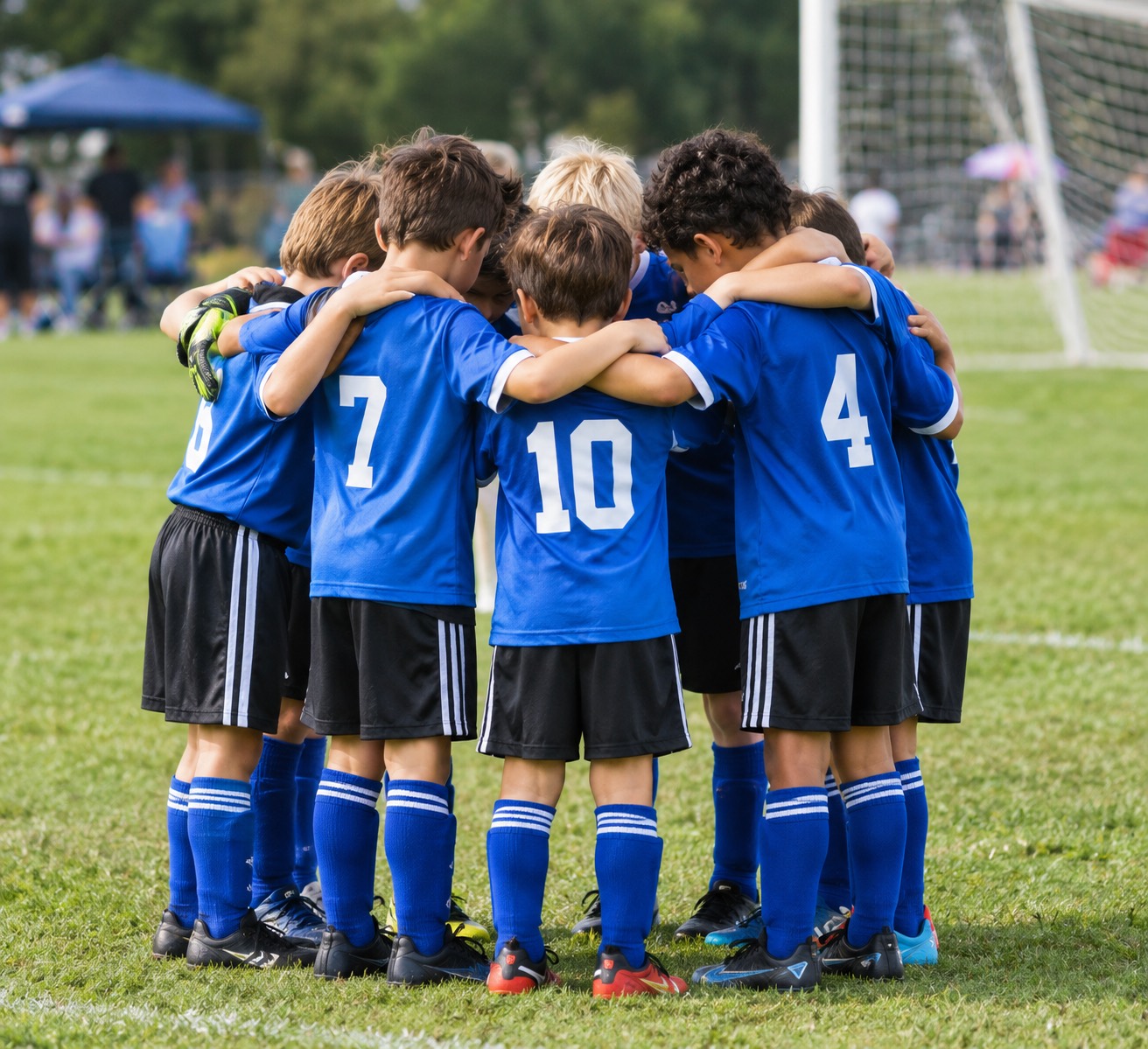
Check if your league or school holds a uniform swap or sale at the start of the season. Many families have gently used uniforms their kids have outgrown, and you can often find what you need for a fraction of the retail price. If you have multiple children playing the same sport, consider buying neutral-colored practice gear like black shorts or white shirts. These can be passed down from one child to the next, no matter what their team colors are that year.
Seek Out Community Programs
You’re not alone in trying to manage youth sports costs. Many communities offer great resources to help families. Before buying anything new, look for a local “Play It Again Sports” or a similar secondhand sporting goods store. These shops are treasure troves for gently used equipment, from cleats and shin guards to bats and lacrosse sticks. You can often find high-quality gear for 50-70% off the original price.
Many community centers, churches, and non-profits also run equipment drives or gear libraries. These programs collect donated equipment and give it to families who need it, often for free. Don’t hesitate to ask your coach or league administrator if they know about any such programs. These resources exist to make sure every child has the chance to play, and using them is a smart, responsible way to manage your budget.
Equipping your young athlete doesn’t have to cause financial stress. By prioritizing needs, investing wisely in safety, shopping smart, and using community resources, you can give your child everything they need to succeed on the field.