


It’s not always obvious when burnout sets in. You might still wake up on time, show up where you’re supposed to, answer emails, smile when someone cracks a joke. From the outside, everything looks fine. But inside? You’re quietly unraveling. In Los Angeles, where people are constantly pushing for more—more gigs, more likes, more recognition, more progress—it’s easy to fall into a pattern where exhaustion becomes the norm and silence becomes the coping mechanism. The city of dreams can feel like a mental marathon with no water stations, and more folks are hitting their limit than ever before.
The LA Grind Is Built to Wear You Down
Los Angeles sells itself as a place where anything can happen, and sure, sometimes that’s true. But what doesn’t get talked about enough is how that kind of possibility comes with pressure that never really lets up. It doesn’t matter if you’re in tech, film, fashion, fitness, or real estate—people here wear “busy” like it’s a badge of honor. You’re expected to network after hours, keep up with the latest, build your brand, stay visible, stay productive, and still somehow squeeze in a hike or juice cleanse. The default mode here is doing too much, all the time, with a smile.
That pace isn’t sustainable, and yet so many people stay stuck in it out of fear—fear of falling behind, missing out, being replaced. The fear runs deep, and it’s expensive. More and more Angelenos are quietly experiencing anxiety, depression, depersonalization, and deep fatigue. But since appearances matter in this city, they keep going. That’s where the danger lives—in the pretending. It delays the help people need and lets the damage go deeper. The longer you ignore it, the more it shapes your body, your thoughts, your relationships. You might still look like you’re thriving, but that’s just muscle memory.
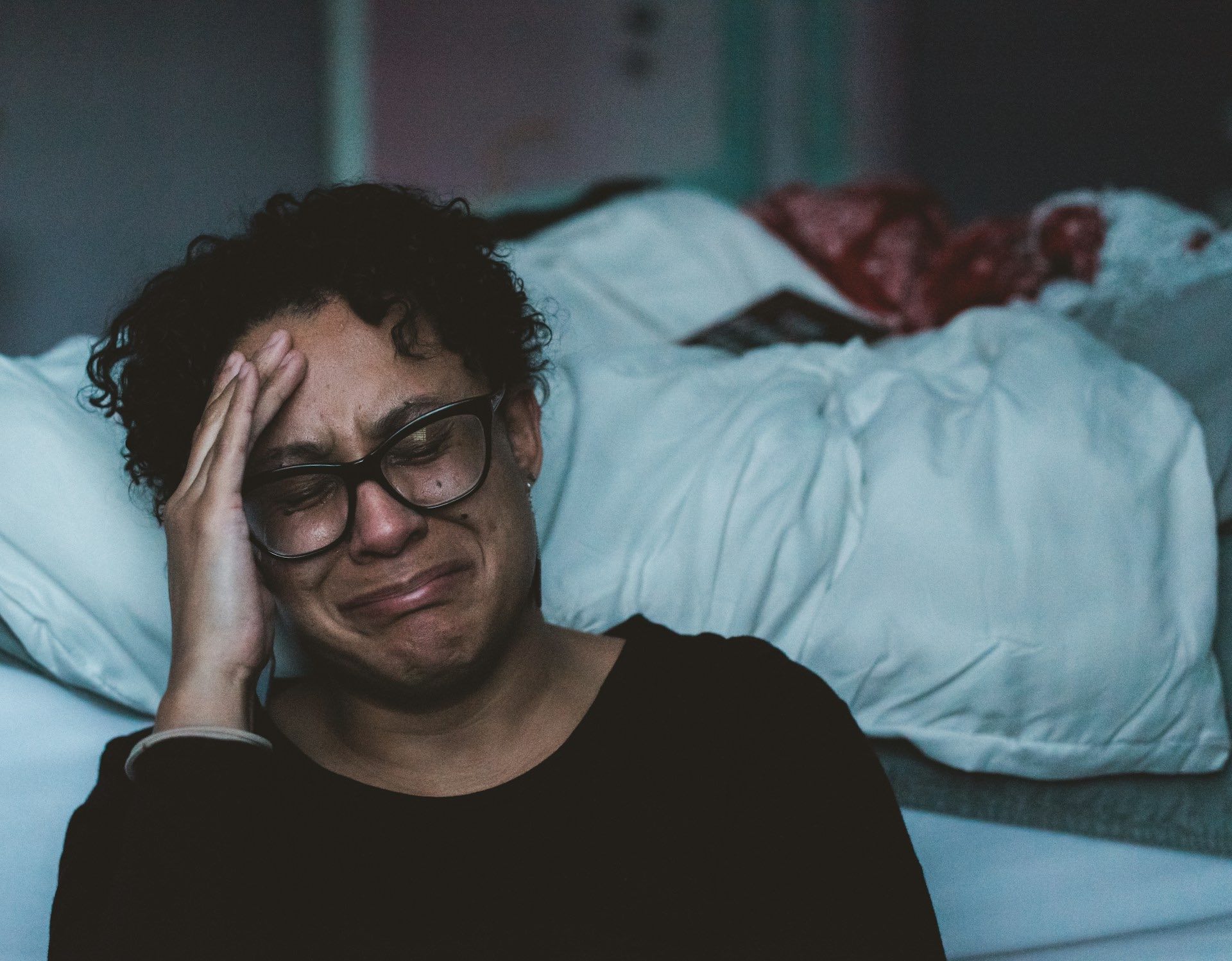
Your Mind Is Not a Machine, Even if Your Calendar Looks Like One
One of the hardest things to admit in LA is that you’re not okay. Especially when you’ve trained yourself to function through it. When you’re used to putting productivity over peace, rest can feel wrong. You might even tell yourself that feeling stressed out is normal, or that you’ll slow down later—after the project, after the shoot, after the season ends. But if you keep pushing through the warning signs, your brain starts to fight back.
Insomnia, digestive issues, mood swings, brain fog, and even chronic pain can all be linked to prolonged burnout. It’s not in your head. It is your head, waving the red flag. The catch is, in a place like Los Angeles, where comparison is constant and pace is everything, people keep running past their breaking points. That’s why the conversation around mental health here has started to shift, finally. Burnout isn’t just being tired. It’s numb. It’s when the fire goes out but the heat keeps burning you from the inside.
And when that happens, the best thing you can do is not push through it. You have to stop and prioritize your mental health like it actually matters more than your next deadline or your next dopamine hit from social media. That might sound obvious, but in a city where over-scheduling is a lifestyle, stopping can feel like failure. It isn’t. It’s survival.
Noticing You’ve Hit a Wall? You’re Already Ahead
Most people don’t realize they’re deep in burnout until they’re already out of gas. That’s because burnout has a way of creeping in quietly. It starts as a little extra fatigue, a little less patience, a little more caffeine to stay sharp. But then, one day, you’re looking at your phone with zero desire to answer anyone. You cancel plans not because you’re too busy, but because you can’t deal. You forget things constantly. Even the fun stuff feels like work. These are not just quirks or bad moods. These are signs your nervous system is begging for help.
In LA, therapy has become less taboo in recent years, which is a step in the right direction. But a lot of people still wait until things are really bad before they seek help. And when your burnout edges into more serious mental health territory—like panic attacks, depressive spirals, or dissociation—it’s not just about a “mental health day” anymore. It’s about interrupting the cycle before it takes over your life.

You don’t have to wait until you’re emotionally stranded to change the pattern. Even something as small as getting honest about how overwhelmed you are with someone you trust can help rewire the shame that burnout brings. It’s the shame, after all, that convinces people to keep pretending. When you remove that, real healing becomes possible.
There’s No Shame in Needing More Support Than You Thought
Sometimes, therapy or time off or long walks just aren’t enough. And that’s not because you’re weak—it’s because mental health is health, and like any health condition, sometimes you need more intensive care. That’s where options like short-term treatment centers, partial hospitalization programs, or a crisis stabilization unit in Orange County come in. These are not “rock bottom” places. They’re designed for people who are trying to interrupt the spiral before it becomes something harder to come back from.
You don’t have to be broken to benefit from structured support. You just have to be tired of carrying everything alone. These places can offer a reset—a few days or weeks of getting your feet back under you with people who actually understand what you’re going through. Whether you’re dealing with burnout, anxiety, PTSD, or just a general unraveling, there are options that don’t require checking out of life completely. You don’t have to lose your job or your relationships or your independence to get help. You just have to decide it’s time.
Burnout Recovery Is Slow, But It’s Not Hopeless
One of the hard truths about recovering from burnout is that it doesn’t happen overnight. Especially not when you’ve been running on fumes for months—or years. But it does happen. You start sleeping again. You start laughing again. You have moments where your thoughts quiet down and you can feel yourself coming back online. And even though it takes time, and there are setbacks, the momentum starts to shift.
In LA, the burnout recovery journey isn’t always glamorous. You might step back from a job you thought you couldn’t live without. You might say no more. You might feel like you’re disappointing people. But on the other side of that discomfort is something better—mental clarity, self-respect, and peace that doesn’t rely on performance. And when you start to protect that, things shift. Your life doesn’t have to be on fire to be impressive. Sometimes it’s more impressive to walk away before it gets that far.
Let Yourself Be Human Again
Burnout isn’t just a buzzword. It’s a sign that your life has been out of alignment with your needs for too long. In a city like LA, where ambition often outweighs balance, it’s easy to lose yourself. But you can always find your way back. One slow, intentional step at a time.