Accessories have evolved from being mere tools to help people transport items and maintain daily routines into a way for individuals to show off their personality through fashion. Accessories such as tote bags, scarves, key chains, and lanyards are no longer just functional items; they are also examples of how people can express themselves using everyday products. In addition, as our lives evolve, accessories continue to evolve by combining convenience, creativity, and individual style.
The increasing popularity of casual wear, street wear, and customized items has also influenced the way consumers view their daily accessories. Accessories that were once primarily used in workplace environments, school settings, or when traveling have become part of a person’s wardrobe as unique fashion statements.
The Evolution of Everyday Accessories in Fashion
The first accessory was likely developed to serve some type of useful purpose. Many of the first accessories served as bags that could be used to carry things around, while other types of accessories were created to provide extra warmth (such as scarves). Some of the most common types of accessories today are items that reflect a person’s culture or social status. While many people choose to purchase accessories because they look nice, the primary reason many people buy them is because they have a specific use.
Over time, shifts in lifestyle and trends in fashion changed how accessories were made and used. With the rise of casual wear, people started to integrate useful items into their daily wardrobe. Canvas bags, baseball caps, and decorative key chains eventually became common components of individual styles.
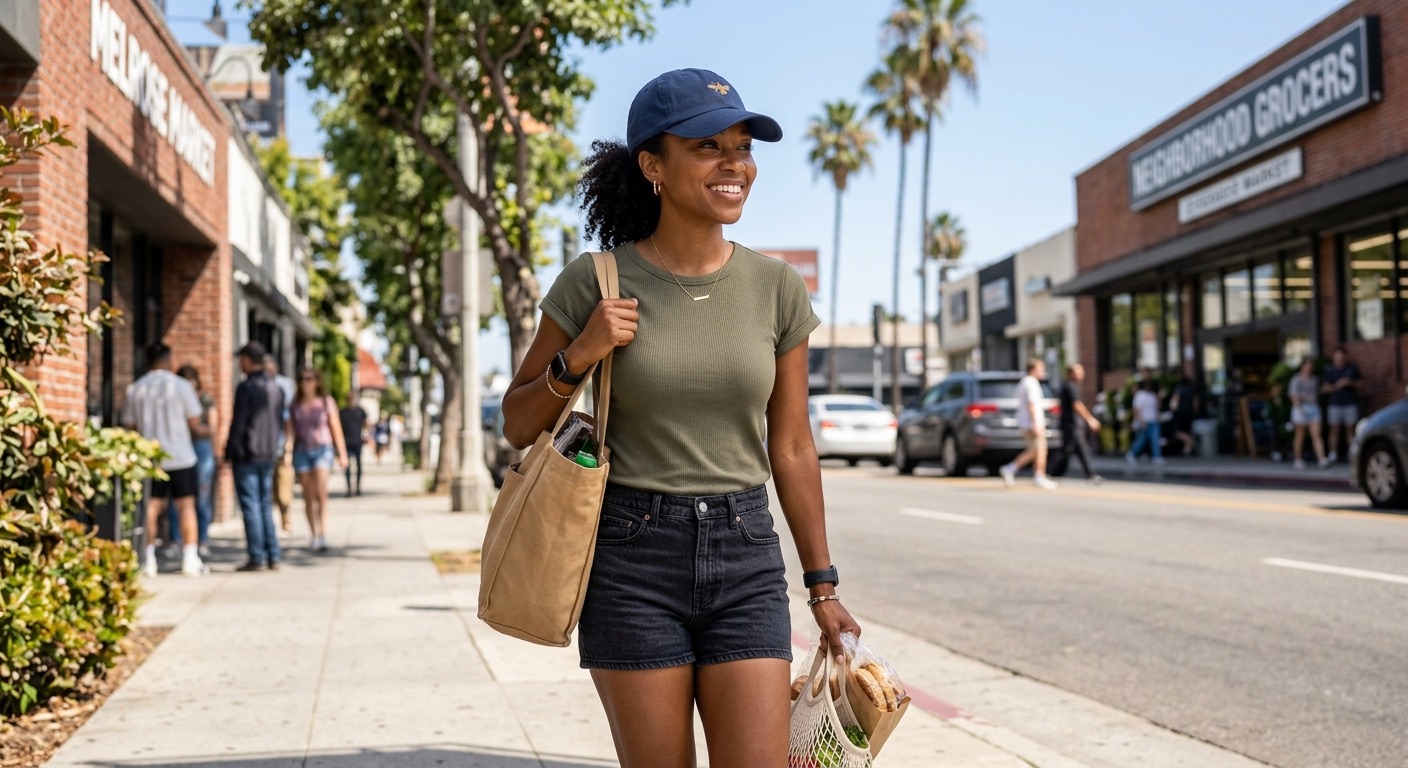
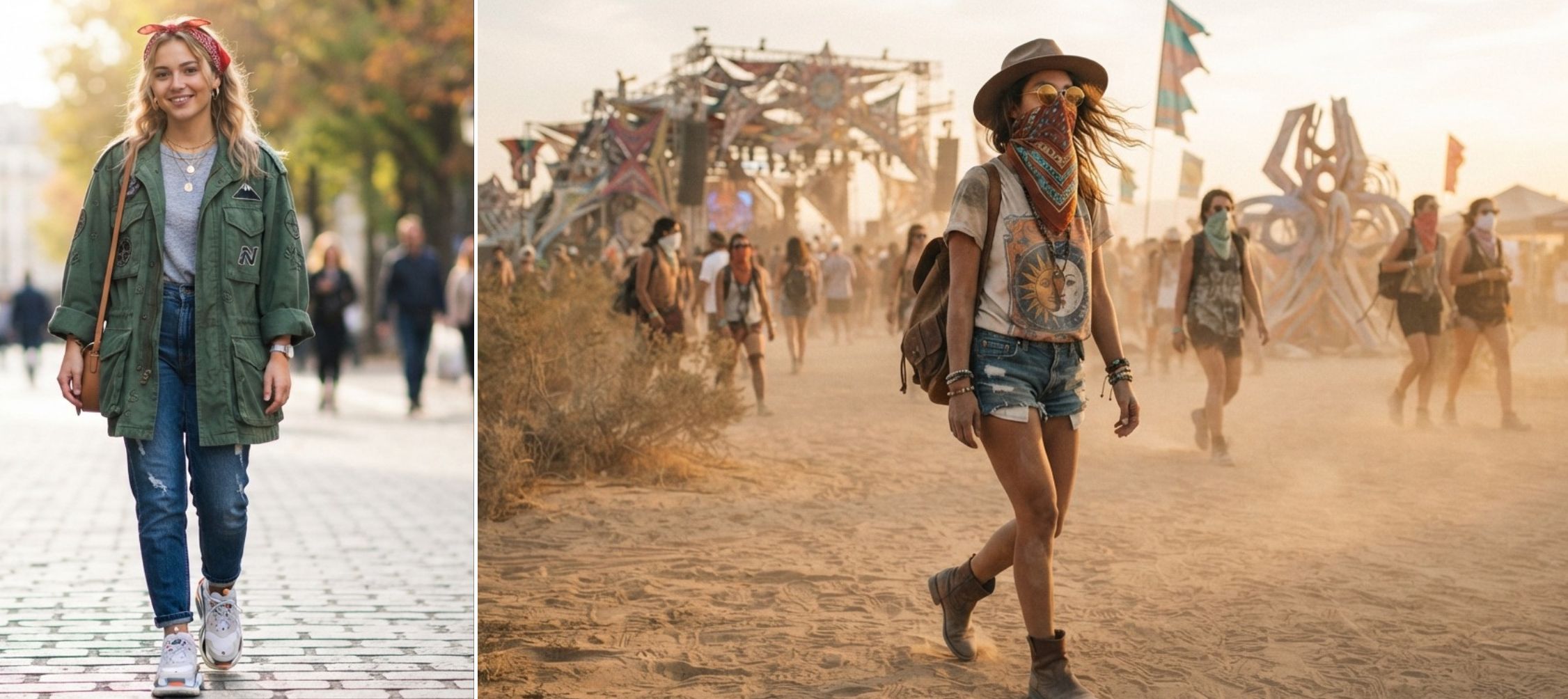
Streetwear is one of the key elements that helped drive the change. Streetwear did not follow the established rules of fashion but instead encouraged people to try different things with colors, images, fabrics, and unusual pairings. Accessories such as watches, belts, hats, bags, etc., became additional ways for individuals to personalize their look without having to buy a whole new wardrobe.
Why Accessories Matter in Personal Style
Accessories are capable of significantly altering both the appearance and overall feeling of a particular outfit. A simple combination of clothes can be transformed into something far more engaging if paired with well thought out accessory details.
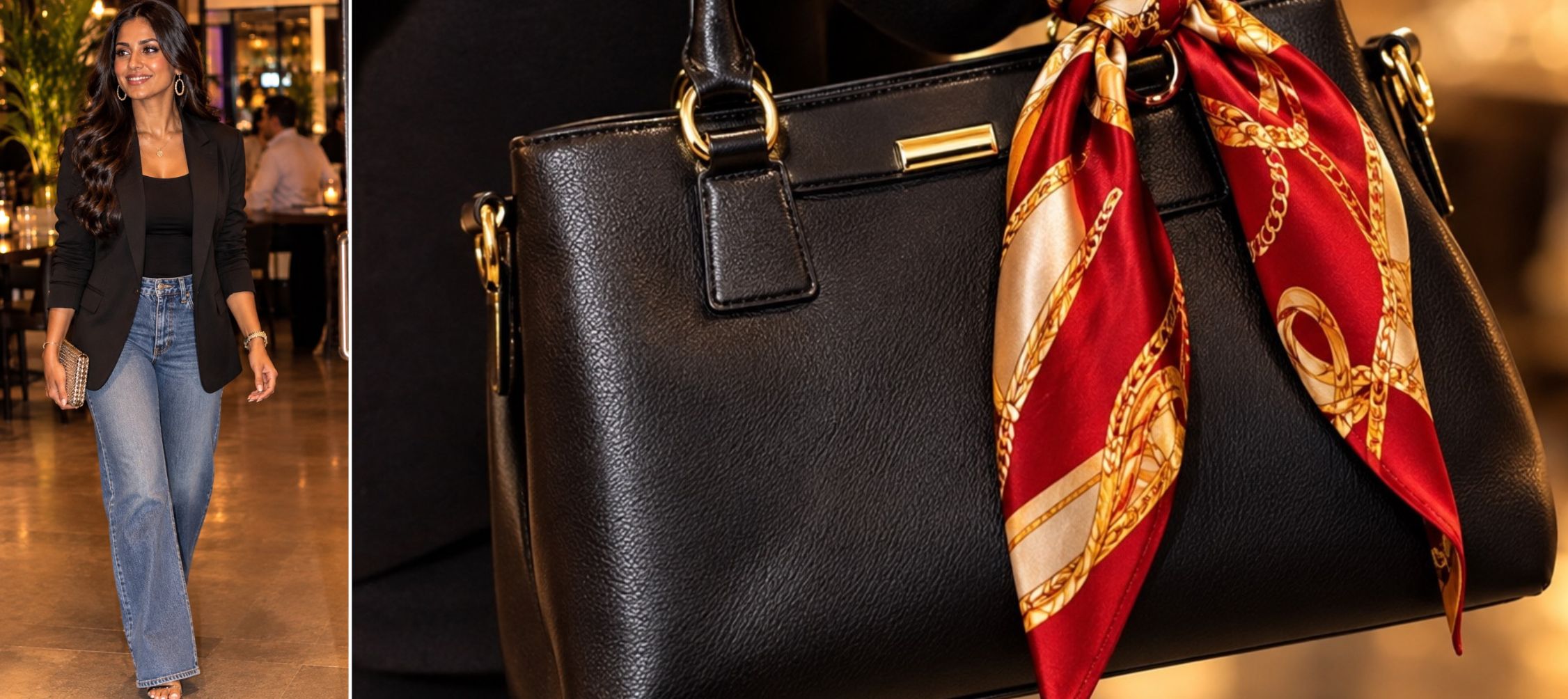
One of the simplest ways that accessories contribute to developing your own unique sense of style is through use of color. You can add visual interest to a plain looking outfit by using a colorful purse, or you can add a pattern with a scarf. Conversely, if you are wearing an outfit with a lot of color, or with patterns, then you may want to consider adding some understated accessories. This will help to create balance in the look of your outfit.
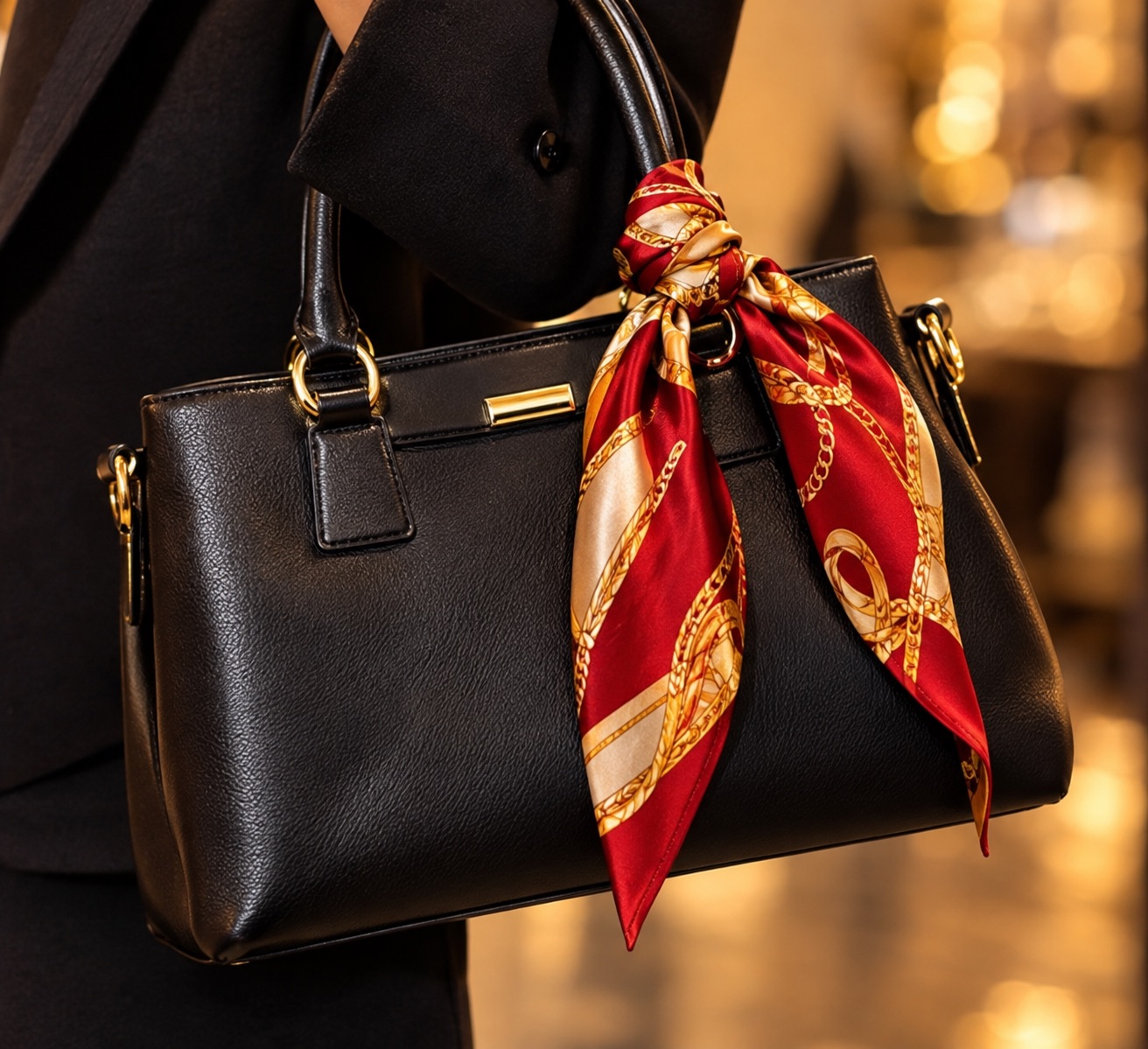
The types of materials and textures used to create clothing will affect the way that the entire look is perceived. There are many types of materials, including leather, cotton, metal, and woven fabrics, that each produce unique effects on how something appears visually. By combining the various materials thoughtfully you can help make your outfit appear more individualized and cohesive.
Accessories are more than just a way to dress up; they can also be used as a form of expression of your interests and preferences. For example, if you love to spend time outdoors, then you would likely use more practical bags and reusable products. However, if you have a love for creative fashion, you may choose to use more colorful accessories.
The Growing Popularity of Functional Fashion Accessories
The growth of interest in practical accessories is a major trend in today’s fashion. The combination of function and form in these accessories creates a way for individuals to incorporate everyday items into their personal style.
Some typical examples of these items include: tote bags, reusable water bottles, compact wallets, scarves, and keychains. These types of accessories provide both functionality for daily use as well as versatility in terms of coordination with various types of clothing.
As with the evolution of lanyards, there has been a similar transformation from traditional use (i.e. workplace ID’s; conference use; school use) to a more casual, everyday form that is reflected in the many variations available in terms of colors, materials, patterns and attachment methods. Businesses such as 4inlanyards provide customers with options for different lanyard styles and accessory choices which illustrate how a traditional, functional product can be designed according to individual preference.
The movement towards more practical and visually appealing accessories reflects a growing trend among consumers. Consumers no longer have to choose between an item being functional and looking good; they are now able to find products that provide both.
How Streetwear and Youth Culture Influence Accessory Trends
Street wear has had a huge impact on today’s trend in accessories with its encouragement of self-expression and innovation. Street wear was originally associated with skateboarding, hip hop, and the urban community. However, today, street wear is now one of the top influences in the mainstream fashion world.
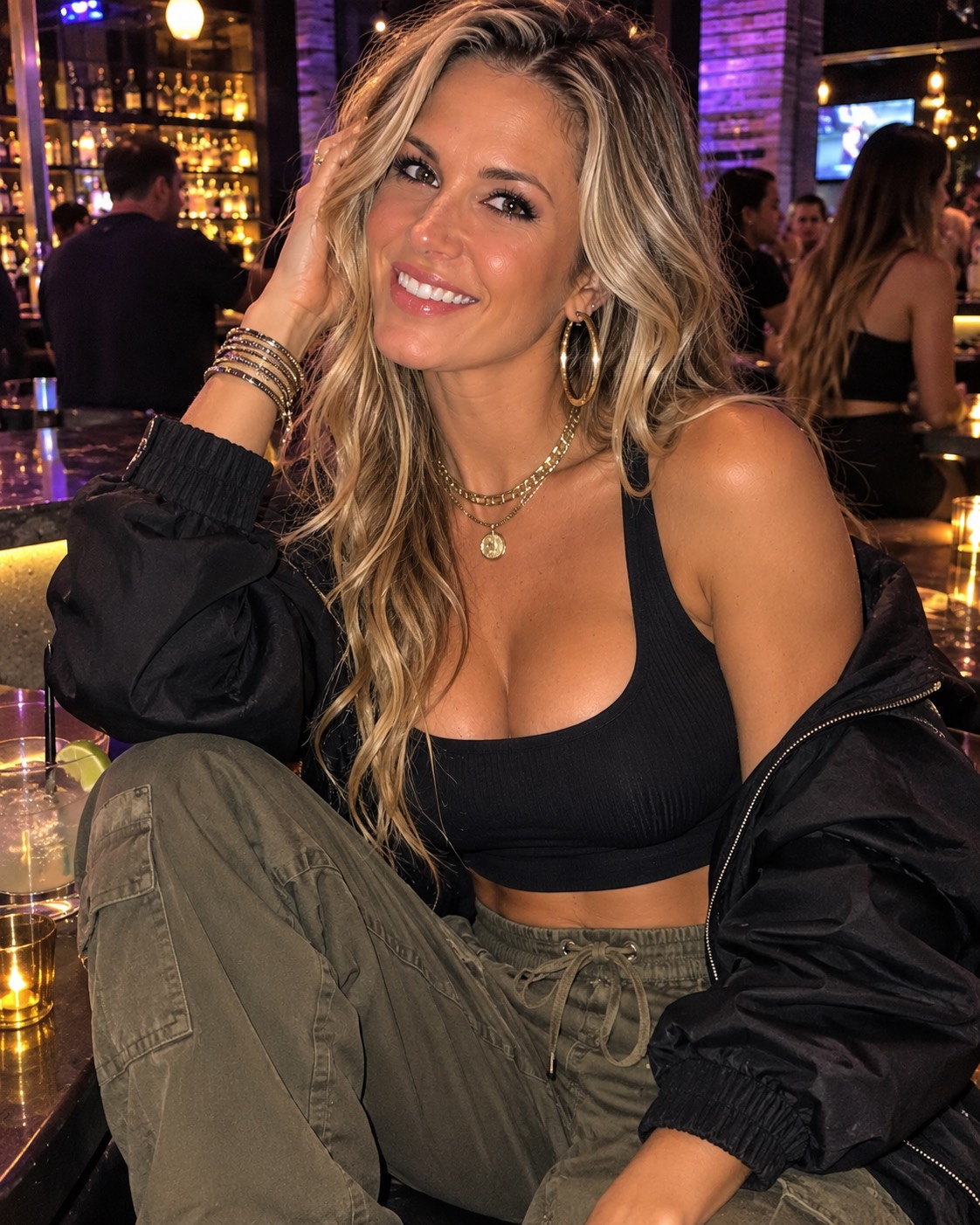
Accessories contribute significantly to the overall aesthetic of these types of outfits. Such items as caps, cross body bags, colorful socks, key chains, and graphically designed accessories allow for the creation of outfits that appear casual yet unique.
In addition, music and sports cultures have influenced these trends. Fans will typically include items related to their favorite sports teams, bands, or groups in their daily wardrobe. Accessories can show a fan’s common interest, yet still provide the fan with flexibility to create his/her own interpretation.
This process is being accelerated by social media. Fashion creators are constantly sharing styling ideas which promote people to use accessories in ways they had never thought about before. This allows trends that start in small groups of people to spread to a larger audience rapidly.
Personalization and Individual Expression Through Accessories
Personalization is now a major aspect of contemporary accessories. Individuals want to create unique items from everyday objects that are representative of who they are, as opposed to selecting from a range of standard designs.
Customization such as custom colors, initials, patterns, illustrations, and other decorative elements will transform an otherwise ordinary accessory into something more personal. For example, a plain key chain may be customized to show off your favorite pastime. Your printed bag can be customized to match your favorite design style.
Personalized accessories can also be useful in a shared environment. It’s much simpler to find your own possessions if you use unique luggage tags, keyrings or identification accessories.
Developing a unique personal style does not require you to follow every single current trend. When choosing your accessories based upon what truly reflects your individual interests and preferences, this will help create a cohesive look for yourself versus purchasing items just because they are currently popular.
Choosing Accessories That Balance Style and Practicality
While accessories provide us with the opportunity to use our imagination, choosing the right accessories for our daily use depends on what we need them to do. A beautiful accessory will be of little value if we find that wearing it causes discomfort, it takes too much effort to keep clean, or we cannot wear it regularly.
Material is an essential aspect to consider when choosing a handbag. Cotton and canvas are two of the most popular materials used in creating casual handbags, whereas leather and metal provide unique looks and differing levels of durability. Your intended purpose for using your handbag will determine which type of material you choose.
The size of your handbag is another factor that you should consider. If you need a bag to carry all of your everyday items, then a large bag may be best for you. However, if you plan on going to social events or on short weekend trips, a smaller handbag might be a better option for you.
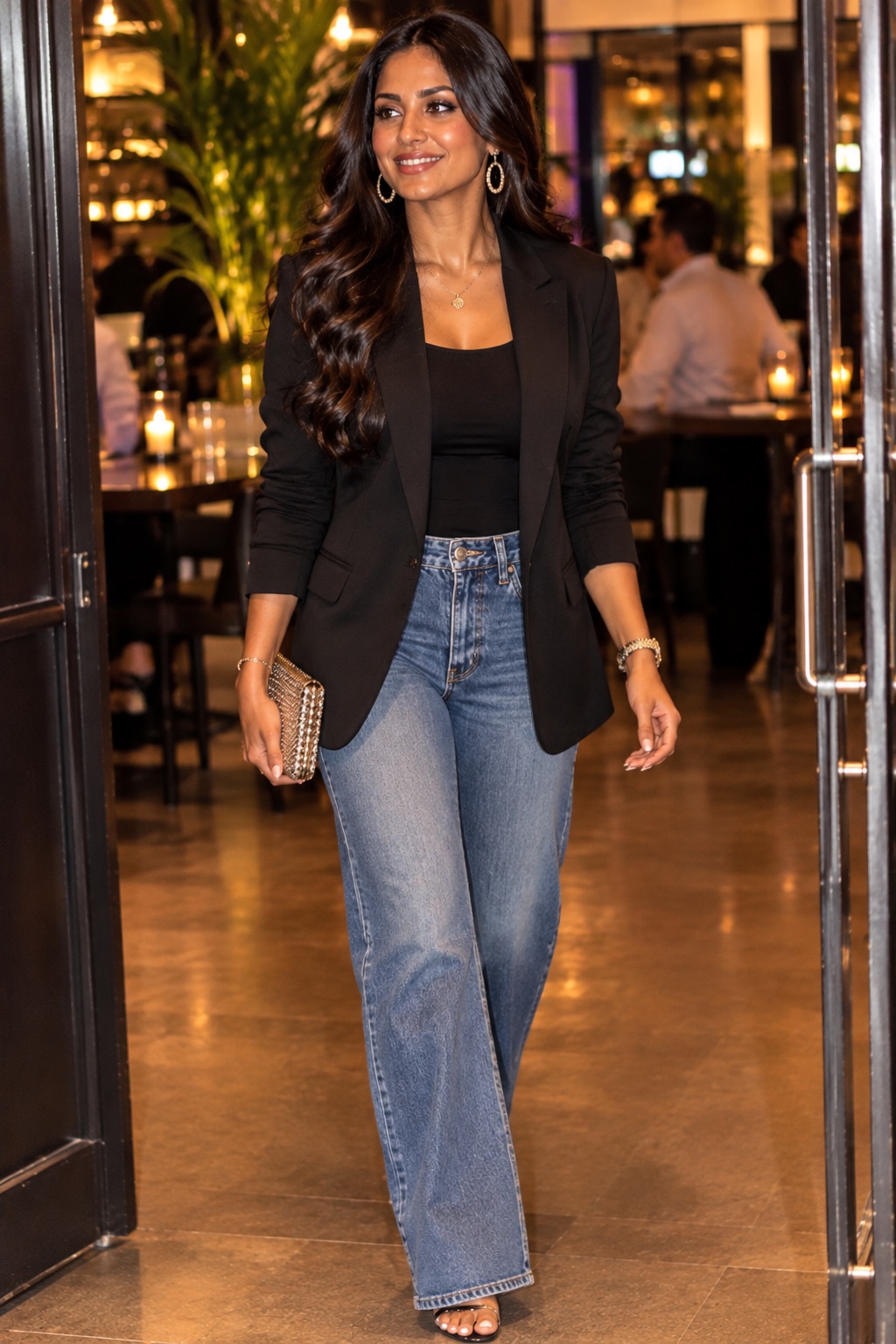
Color coordination is also an effective styling technique. A neutral accessory will go with many different looks, whereas a standout piece may provide variation in a basic outfit.
A good strategy would be to select multi-purpose items for everyday use, instead of collecting items that you will seldom use.
The Influence of Social Media on Everyday Accessory Trends
The way people find and understand trends in fashion has been transformed by social media sites like Instagram, TikTok, and Pinterest. There are numerous methods for adding accessories to daily attire presented through outfit video posts, styling tutorial videos, and photos of various fashions.
A common result of micro-trends is their widespread recognition. Many people will know about some accessory because it has been featured in a video that went viral, or because a celebrity was wearing it. This creates a brief window of opportunity for the accessory to be seen by many people.
The majority of popular accessories are short lived and will fade away from the public eye. Many popular trends have a brief life span before they are replaced with something else. On the other hand, many popular accessories have become an integral part of daily attire.
The use of social media allows individuals to explore and experiment with their creativity. Users can identify unique methods for styling common items, analyze the advantages/disadvantages of utilizing various types of material, and receive ideas/inspiration from user-generated content provided by fashion-focused online communities worldwide.
Using on-line inspiration as a guide can be helpful, but the trick is to select from what you find. Personal style has more value when people take ideas (or trends) that they see on-line and then make changes so that those ideas fit into their lives, rather than just taking each idea and making it exactly the same.
Sustainability and the Future of Everyday Accessories
Consumers’ awareness of the amount of textile waste generated each year and the general impact of the industry on the environment has increased significantly. Consequently, there is now a much higher emphasis placed upon the types of materials used in consumer goods, specifically those that can last longer.
The use of reusable bags, strong fabric materials, and adaptable design elements can encourage a more deliberate approach toward consumerism. Additionally, selecting accessory pieces which complement a variety of clothing combinations can minimize the frequency with which a person will need to buy additional clothing or accessories.
Material selection is equally important. Alternative materials such as recycled polyester, organic cotton, etc., are being examined in various accessory categories. However, the sustainability of a product depends on more than just the material. The manufacturing process, the longevity of the product, and how it will be disposed of all contribute to the products overall environmental effects.
As we look forward to what we can expect from our daily accessories, it appears as though they will continue to combine function, personalization and creativity. In addition, the use of accessories as a means of personal expression through fashion is going to become even more common. More and more individuals are seeking out accessories that allow them to show off who they are, as well as being functional for their daily lives.
Final Thoughts
Everyday accessories have transitioned from utilitarian items to significant components of an individual’s personal style in today’s world. Due to the influence of streetwear, popular culture, social media, and evolving consumer tastes, everyday accessories provide individuals with the ability to express themselves creatively.
Whether someone selects a functional tote bag, a colorful scarf, an identifiable key chain, or a usable lanyard, the primary factor in determining what type of accessory to choose will be based on how well the chosen item integrates with his/her lifestyle.
Ultimately, your personal style will not be determined by the number of trendy clothes you own. Instead, it is based upon the details you select for your clothing, which are selected to reflect both the practicality of the clothing, the comfort of the clothing, and your unique personality.