


Bedroom air can affect how comfortably you breathe and how often you wake during the night. Dust, pet dander, outdoor pollution and stale air may irritate your nose or throat, leaving you congested even when the room looks spotless. Those brief disturbances can interrupt the deeper sleep stages that help you feel restored. Improving air quality won’t solve every sleep problem, but it can remove several common barriers to steady, comfortable rest.
Nighttime Congestion and Fragmented Rest
A stuffy nose forces many people to breathe through their mouth, which can lead to a dry throat, snoring and repeated awakenings. Poor bedroom air quality can make nighttime congestion and irritation harder to manage.
Track symptoms for a week. Note whether congestion improves after sleeping elsewhere or after keeping windows closed on high-pollution days. If cleaning and ventilation changes don’t help, comparing filtration options may be worthwh
Microscopic Irritants Lurking in Bedding
Your pillow and mattress can collect skin flakes, dust and other particles over time. Each movement during sleep may send some of that material back into the air close to your face. Pets sleeping on the bed can add dander and outdoor debris, while humid conditions may encourage dust mites.
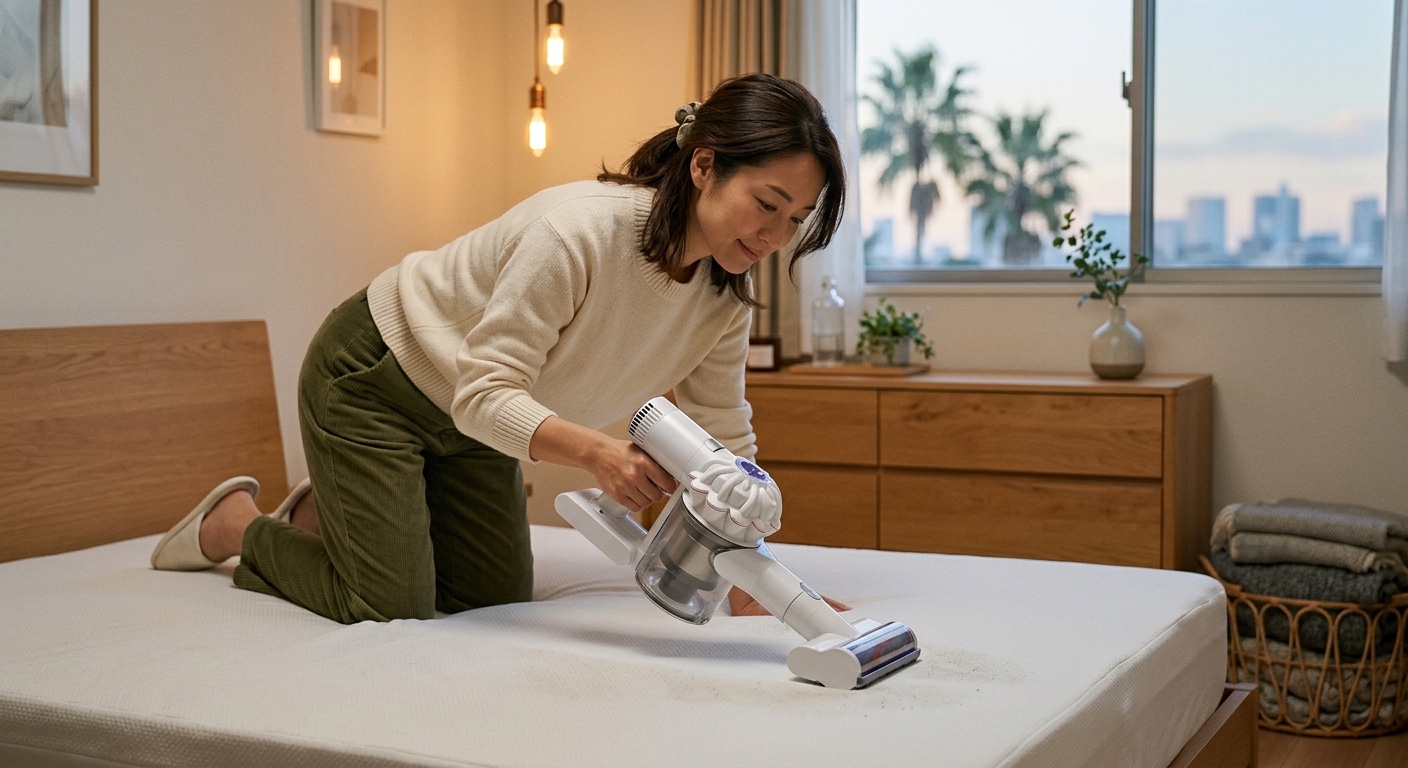
Wash sheets and pillowcases weekly in warm or hot water when the fabric allows it. Clean comforters according to their care labels and vacuum the mattress every few months with an upholstery attachment. Allergen-resistant covers can create another barrier around pillows and mattresses. Keep clutter away from the bed too, since fabric piles and decorative cushions give dust more places to settle.
Quiet Filtration for Restful Nights
Choose an air purifier sized for the bedroom and check its noise rating before buying. A powerful unit that sounds distracting at bedtime may end up switched off when you need it most. Place it where air can move freely around the intake and outlet, leaving several inches of clearance from walls, curtains and furniture.
Seasonal Black Friday air purifier deals can make it easier to compare models by room size, filtration type, noise level and other features that matter for overnight use.
Run the unit for an hour before bed, then use its lowest effective setting overnight. Close the bedroom door if the purifier is designed for that room’s square footage. Replace or clean filters on the manufacturer’s schedule, since a clogged filter reduces airflow.
Reducing indoor pollutant sources can also improve sleep when air pollution is a concern. Check local outdoor conditions before opening windows and avoid bringing unnecessary sources of dust or smoke into the bedroom.
Smart Temp and Ventilation Controls
Temperature and ventilation work together. A bedroom that feels hot and stale may become uncomfortable even when particle levels are low. Many adults prefer a cool room, though the ideal setting depends on bedding, sleepwear and personal comfort. Start around 65 to 68 degrees Fahrenheit, then adjust in small increments.
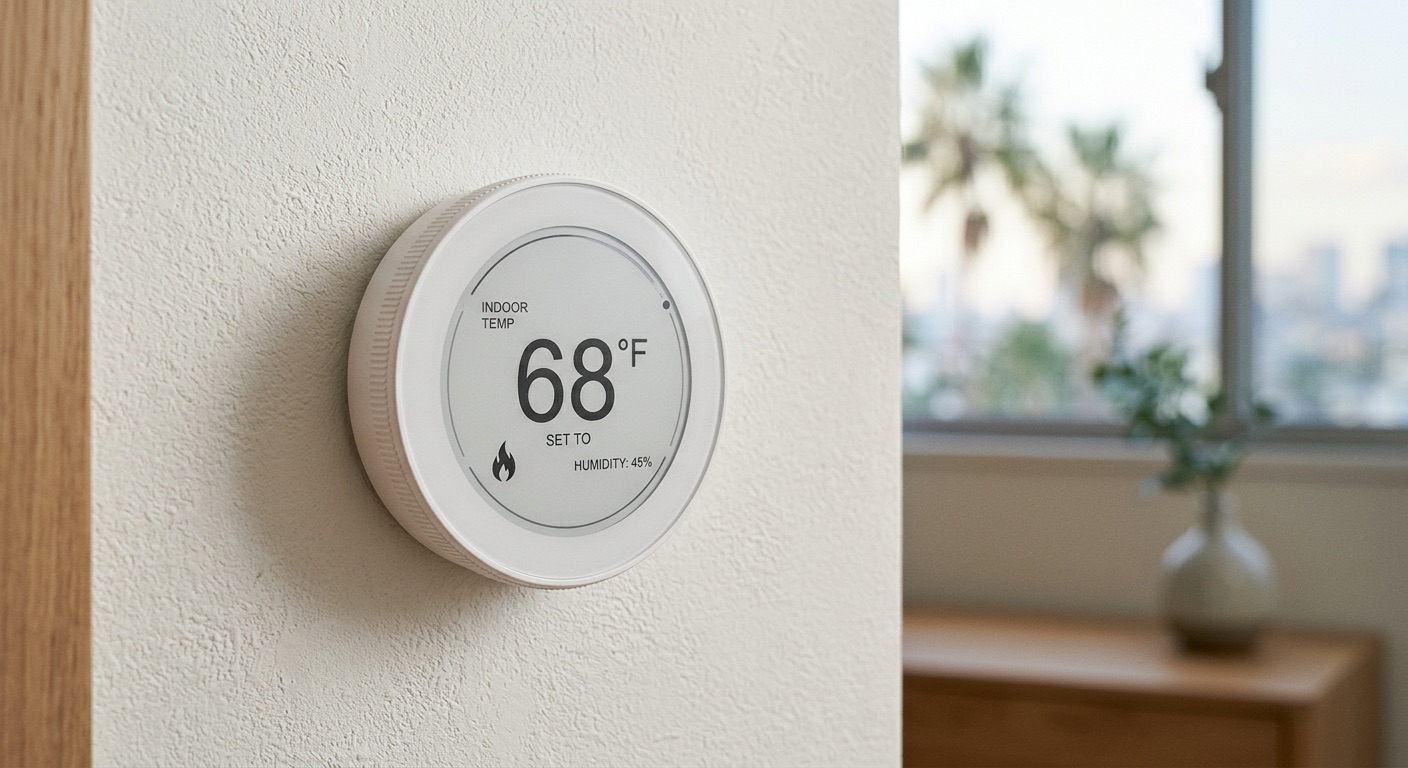
Use a programmable thermostat to lower the temperature before bedtime and raise it near your normal wake time. Open windows briefly when outdoor air is clean and weather permits. On smoky, high-pollen or heavily polluted days, keep them closed and use mechanical ventilation or filtration instead. A basic indoor air monitor can help you spot patterns involving humidity, fine particles and carbon dioxide.
A Simple Evening Wind-Down Checklist
Pair your usual bedtime routine with a quick bedroom reset. It should take only a few minutes:
- Check outdoor air conditions before opening a window
- Run the purifier and confirm that nothing blocks its airflow
- Set the thermostat to a comfortable sleeping temperature
- Remove worn clothes and damp towels from the room
- Keep pets off the pillows and turn down the bedding
- Dim lights and put screens away before getting into bed
Consistent sleep hygiene can also make it easier to wind down by combining a regular sleep schedule with a quiet, comfortable bedroom and fewer stimulating habits before bed.
If congestion continues despite cleaner bedding and better airflow, talk with a health professional, especially when symptoms include wheezing, persistent coughing or pauses in breathing. For tonight, start by checking the purifier filter and the space around its intake. Those two details are easy to overlook and can determine how well the unit works while you sleep.