
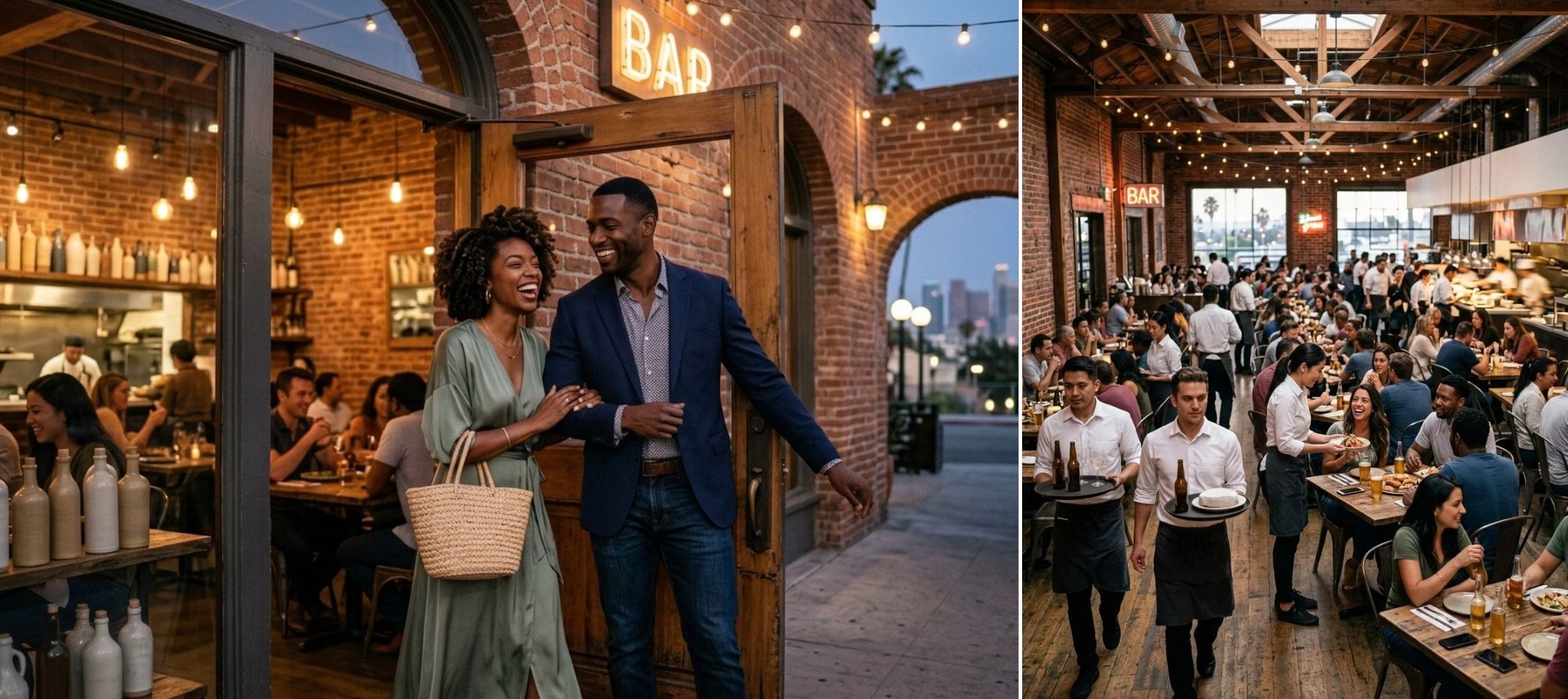
A loud dining room can turn an easy dinner date into an exhausting round of repeating, leaning forward and guessing. Background music, hard surfaces and nearby conversations often blur speech before either person realizes how much effort the exchange requires.
Still, you don’t have to give up lively restaurants or settle for a silent meal. Understanding where the noise comes from, choosing supportive technology when needed and making a few smart seating requests can keep the conversation comfortable.
Why Restaurant Noise Keeps Creeping Higher
Many stylish dining rooms feature concrete floors, bare tables, open ceilings and large windows. Those materials reflect sound instead of absorbing it. Add an open kitchen, a busy bar and music intended to energize the room, and voices quickly compete for space. The long-running debate over restaurant noise levels has even prompted some designers to bring acoustic panels and softer finishes back into dining rooms.
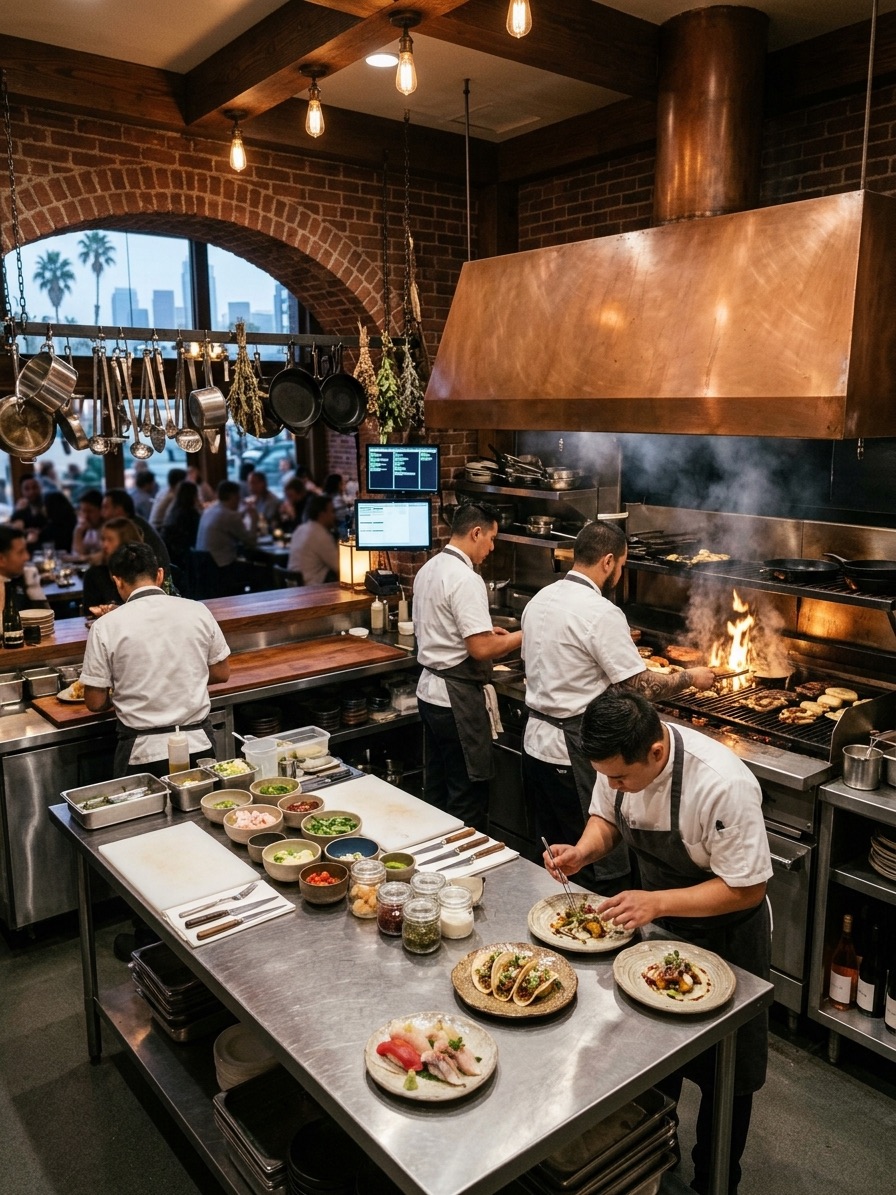
Crowds also create a feedback loop. As one table gets louder, the next table raises its volume to compensate. Everyone soon speaks above a sound level that might have felt manageable when the restaurant was half empty. Booking before the dinner rush can make a noticeable difference.
The Subtle Strain of Lips Across a Table
Speech becomes harder to follow when background noise masks consonants, which carry much of a word’s detail. “Sit,” “fit” and “hit,” for example, can look and sound surprisingly similar across a dim table. You may rely on facial expressions and context without consciously reading lips.
Frequent requests for repetition, difficulty following a server or fatigue after dinner can point to a hearing concern worth discussing with a qualified hearing care professional. People exploring modern options may also want to review information about Oticon hearing aids before an appointment. A professional evaluation can identify individual needs since restaurant trouble alone doesn’t establish hearing loss. It can also clarify which features may help in social settings.
Discreet Devices Engineered for Speech Clarity
Current hearing devices can use directional microphones and digital sound processing to place greater focus on speech coming from the front. Some models adjust as the sound environment changes, which is useful when a quiet table fills up or music begins midway through dinner. Results depend on the person, the device settings and the room itself.
Technology still works best when paired with practical habits. Face your date directly, keep menus or centerpieces from blocking their mouth and ask them to speak clearly at a natural pace. The broader noisy restaurant dilemma affects people with many levels of hearing ability, so that these small courtesies can improve dinner for everyone at the table.
Seating Hacks for Better Dining Conversations
Ask for a booth or corner table when making the reservation. A wall behind you can reduce competing sound from that direction, while upholstered seating may absorb more noise than a hard chair in the middle of the room. Position yourself so your date’s face has good light and the busiest part of the restaurant sits behind them.

Skip tables beside speakers, service stations, open kitchens and entryways. Patio dining may be quieter if traffic and weather are calm, though wind can create its own interference. If the assigned table feels difficult, request another before ordering. Restaurant staff can often suggest a calmer section, especially outside peak hours.
A dinner date should leave room for stories, jokes and the details that make time together feel worthwhile. The best table may be a few steps away from the crowd, where you can hear the punch line without asking for it twice.