

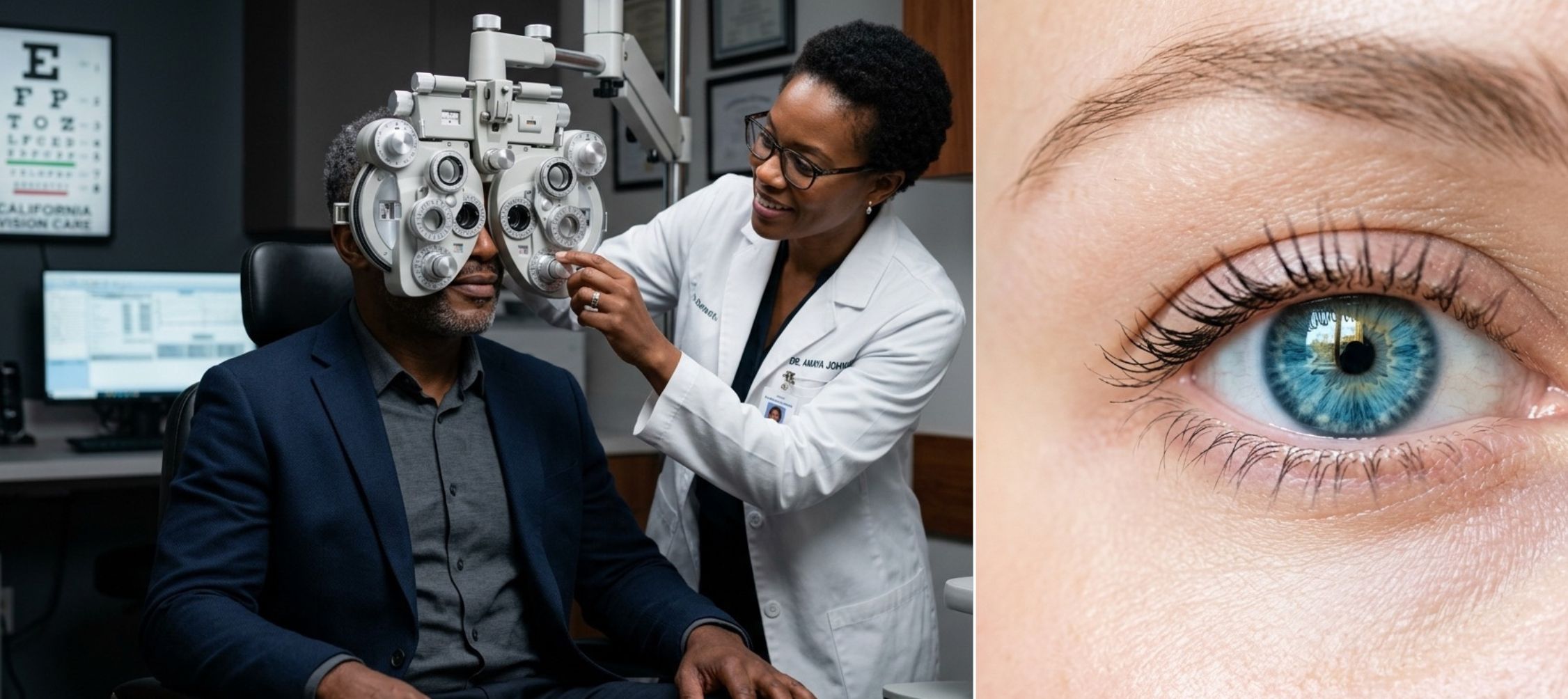
We rely on our vision for almost every activity, from finding our way around the house to connecting with loved ones and doing our jobs. But it’s easy to take our eye health for granted until a problem comes up. Looking after your eyes isn’t just about seeing clearly. It’s a key part of staying healthy overall, keeping safe, and enjoying a good quality of life. Even small, consistent efforts to care for your vision can make a big positive difference for years to come.
Why Vision Is Vital for Overall Health
Your eyes aren’t just how you see the world; they also offer a glimpse into your body’s health. During a dilated eye exam, a professional can see blood vessels and nerves in their natural state. This can reveal early signs of serious health conditions. A thorough eye check-up can sometimes detect issues like diabetes, high blood pressure, high cholesterol, and even certain types of cancer, often before other symptoms appear.
Beyond diagnosis, good vision is vital for physical safety and mental well-being. Clear sight helps you avoid falls and accidents when walking or driving. It also lets you fully enjoy hobbies, read, and learn new things, which supports your brain function and reduces feelings of isolation.
Simple Habits for Everyday Eye Care
Protecting your vision doesn’t mean completely changing your lifestyle. Adding a few simple habits can make a big difference. Start with your diet. Foods rich in omega-3 fatty acids, zinc, and vitamins C and E can help prevent age-related vision problems. Think leafy green vegetables, oily fish like salmon, eggs, nuts, and citrus fruits.

Protecting your eyes from the sun is just as important as protecting your skin. Always wear sunglasses that block 99% to 100% of UVA and UVB rays when you’re outside. This simple step helps lower your risk of developing cataracts and macular degeneration. Following these and other tips can help you keep your eyes healthy for the long run.
Recognizing Signs You Need an Optometrist
Your body often sends signals when something is wrong, and your eyes are no different. While everyone needs regular check-ups, certain symptoms mean you should see a doctor right away. If you suddenly experience blurry or distorted vision, frequent headaches that seem to come from eye strain, or an increase in “floaters” and light flashes, it’s time to get professional advice.
Other warning signs include persistent eye pain, dryness, itching, or redness. Difficulty seeing at night or struggling to adjust from dark to light environments also clearly indicate you should see an optometrist. Don’t just dismiss these changes as a normal part of aging. Getting an evaluation quickly can lead to a proper diagnosis and treatment, helping to save your vision and improve your daily comfort.
Understanding Digital Eye Strain
In our world full of screens, digital eye strain has become a common complaint. Staring at computers, tablets, and smartphones for hours can lead to dry eyes, blurred vision, headaches, and even neck and shoulder pain. This happens because we tend to blink less when looking at screens, and our eyes have to work harder to focus on close-up digital text.
To fight this, use the 20-20-20 rule: every 20 minutes, look at something 20 feet away for at least 20 seconds. This gives your eye muscles a much-needed break. Also, make sure your screen is about an arm’s length away and positioned so you look slightly down at it. Adjusting the brightness and contrast to comfortable levels can also reduce strain.
Proactive Steps for Long-Term Vision
Taking a proactive approach is the best way to maintain good vision throughout your life. This starts with scheduling regular, comprehensive eye exams, even if you don’t wear glasses or have any noticeable problems. These exams are crucial for catching conditions like glaucoma early, which often has no symptoms at first.
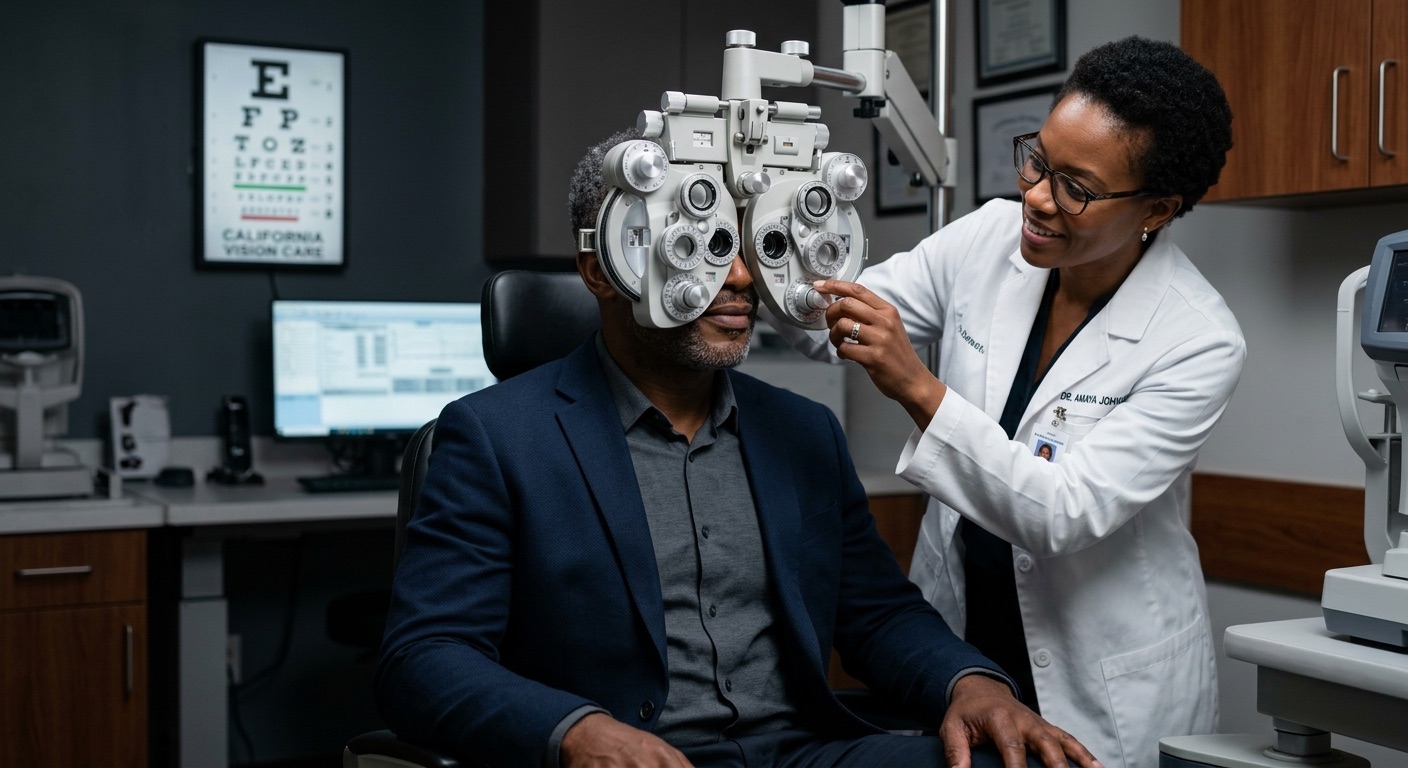
It’s also helpful to know your family’s eye health history. Many eye diseases are hereditary, so sharing this information with your eye doctor can help them assess your risk. Finally, lifestyle choices matter. If you smoke, quitting is one of the best things you can do for your eyes, as smoking increases the risk of cataracts and macular degeneration. These simple habits are an investment in your future health.
Integrating these practices into your routine helps you actively support your eye health and contributes to a greater sense of overall well-being.