

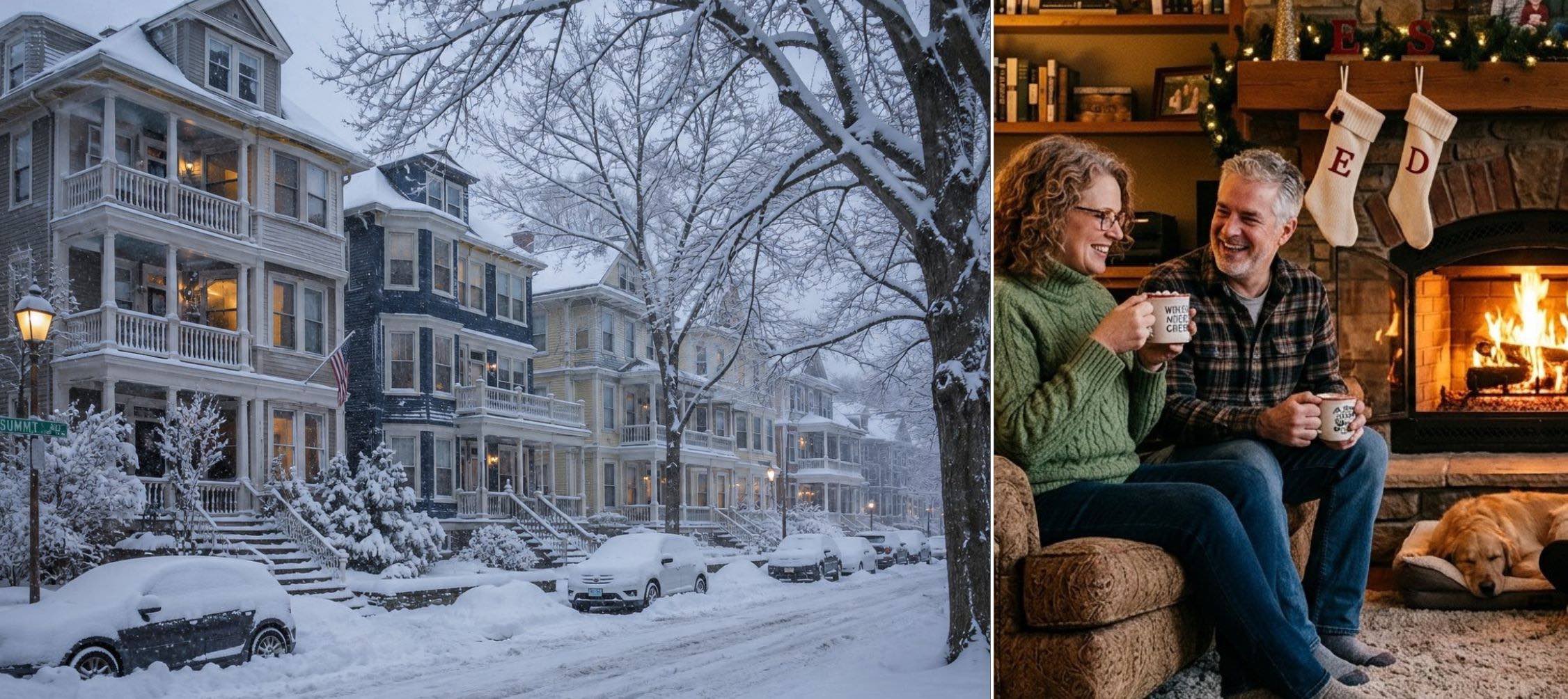
As autumn leaves fall across the Eastern Seaboard, families naturally begin turning their attention toward creating a warm, safe sanctuary for the colder months ahead. East Coast winters are notoriously unpredictable, bringing sudden sub-zero blizzards, freezing rain, and relentless coastal winds that test the limits of any residential structure. Taking proactive steps around your property in late autumn prevents emergency repair bills while keeping heating costs comfortable during peak freezing spells. When planning a complete exterior overhaul to stand up against heavy snow and freezing dampness, installing the best siding for New England storm seasons keeps your utility bills manageable and your family cozy. By addressing critical maintenance priorities before the first hard frost hits, you can rest easy knowing your home is fully prepared to shelter your loved ones all season long.
Fortifying the Building Envelope and Exterior Walls
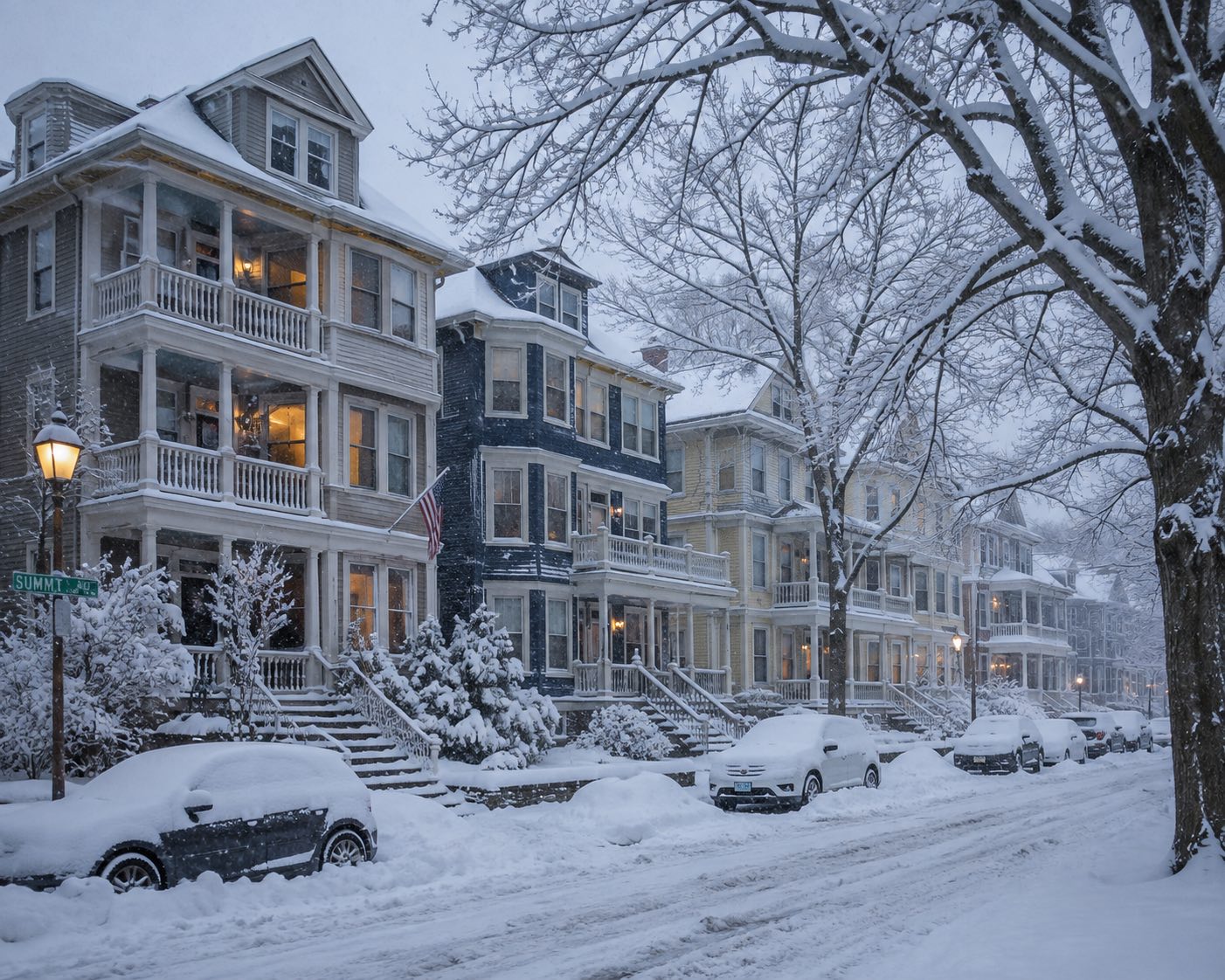
The outer shell of your house is its primary defense mechanism against severe winter weather. During late spring and summer, minor gaps around siding, window frames, or foundation walls often pass unnoticed because gentle weather rarely pushes moisture inside. However, when freezing winds howl across coastal bays and snow piles up against exterior walls, those small cracks become significant entry paths for cold air currents and melting ice.
Sealing Window Micro-Gaps and Entryways
Drafty windows and ill-fitting exterior doors account for a massive percentage of seasonal heat loss in family homes. As temperatures fluctuate throughout the autumn months, wooden door jambs and vinyl window casings expand and contract, which causes older caulking to crack or pull away from surrounding wall materials. Walking around your home on a windy afternoon with a candle or thermal leak detector helps locate micro-drafts around glass panes and frame perimeters.
Applying fresh, exterior-grade silicone caulk along outer window trim seals out frigid air before it reaches interior living spaces. Replacing worn rubber weatherstripping along entry doors and installing insulated sweeps along lower door edges prevents freezing drafts from sweeping across hallway floors where children play.
Exterior Wall Protection and Insulation Layers
Exterior walls bear the brunt of coastal storms and freezing rain. Over time, moisture penetrating unsealed wall cladding can freeze inside wall cavities, expanding and causing unseen damage to internal insulation batts and wooden framing studs. Inspecting your exterior walls before winter arrives allows you to spot hairline cracks in siding panels or failing mortar joints in partial brick veneer.
Insulating exterior wall cavities properly keeps internal temperatures stable and reduces the workload on your heating system. When wall insulation works in tandem with weather-resistant exterior cladding, your home retains heat far more effectively. This creates a comfortable indoor climate during multi-day blizzards while protecting structural timber framing from humidity buildup and fungal rot.
Roof Integrity, Gutter Clearing, and Drainage Management
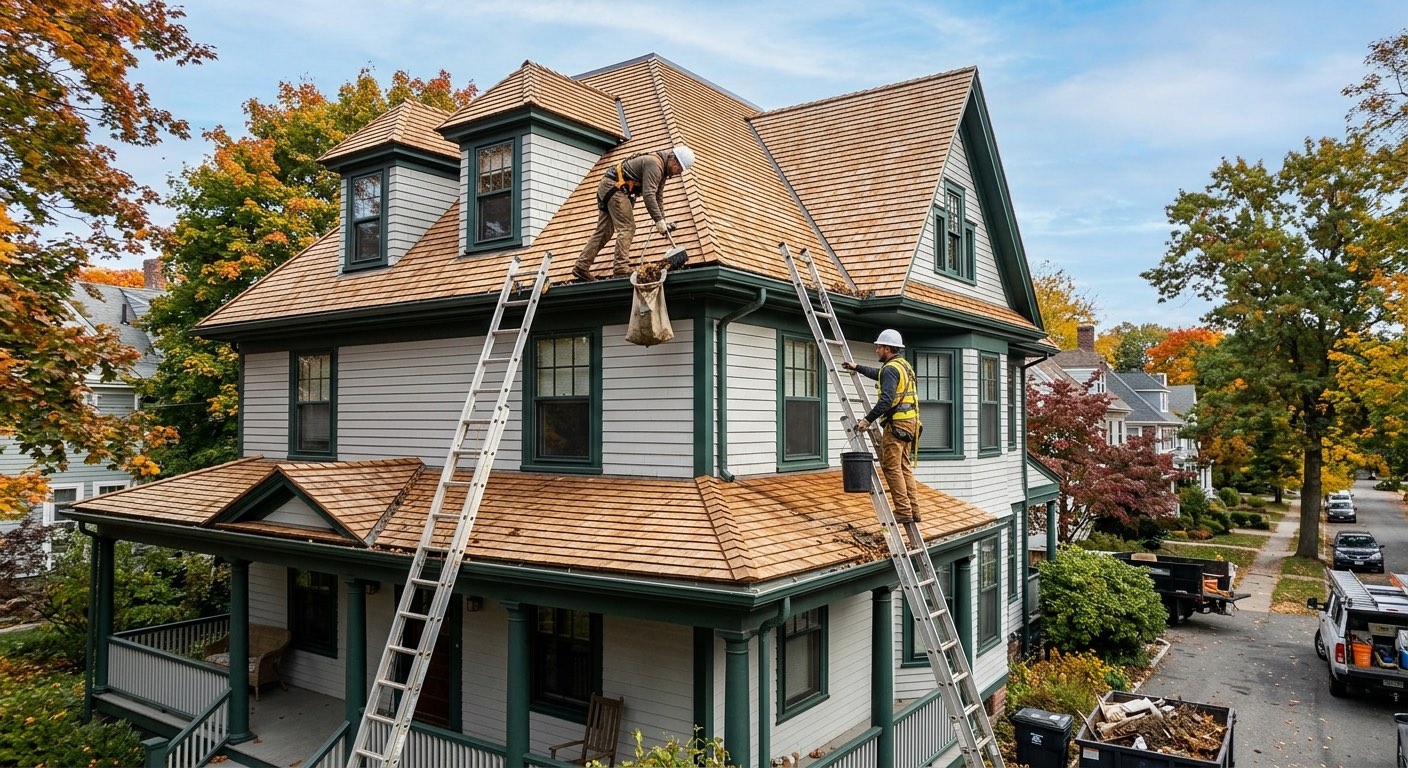
Your roof and gutter system work continuously as a unified team to divert heavy snowfall and freezing rain away from your living spaces and foundation footings. Neglecting roof maintenance during autumn frequently results in costly water leaks right in the middle of severe winter storms.
Preventing Ice Dams and Shingle Degradation
Heavy snow accumulation combined with heat leaking through an inadequately insulated attic creates the perfect conditions for ice dams. Warm air rising from interior living areas warms the upper roof surface, melting the bottom layer of snow on your shingles. As this liquid water trickles down toward unheated lower roof eaves, it refreezes into thick ridges of solid ice.
These ice dams block further water runoff, forcing melting snow upward beneath roof shingles where it drips directly into attic spaces and bedroom ceilings. Inspecting your roof from the ground with binoculars helps identify missing, cracked, or curling shingles before winter arrives. Ensuring your attic floor is thoroughly insulated while keeping soffit vents clear allows your roof temperature to stay uniform, preventing destructive ice dams from forming along your eaves.
Managing Downspouts and Foundation Runoff
Falling autumn leaves quickly accumulate inside gutter troughs and downspout elbows, forming dense blockages that freeze solid during the first sub-zero cold snap. When gutters are clogged with ice, melting snow has nowhere to flow and spills over the edges, creating dangerous ice patches on walkways and pooling water right at your foundation wall.
Flushing gutters thoroughly in late autumn guarantees that rainwater and snowmelt drain away unimpeded. Extending downspout splash blocks at least five to six feet away from foundation walls prevents saturated soil from freezing against concrete footings. Saturated ground around foundations can freeze, expand, and exert lateral pressure that causes basement wall cracking and seasonal water infiltration.
Indoor Heating Efficiency and Plumbing Protection
Preparing your home’s interior mechanical systems is just as vital as protecting its exterior shell. Your furnace, boiler, and water supply lines work overtime throughout winter, making pre-season maintenance essential for avoiding sudden mid-winter breakdowns.
Servicing the Furnace and Air Filtration
Running a heating system that has sat idle all summer without proper maintenance can lead to inefficient operation, higher energy bills, and potential safety hazards. Scheduling a professional HVAC tune-up in early autumn ensures burner assemblies are clean, heat exchangers are free of cracks, and thermostat controls operate accurately.
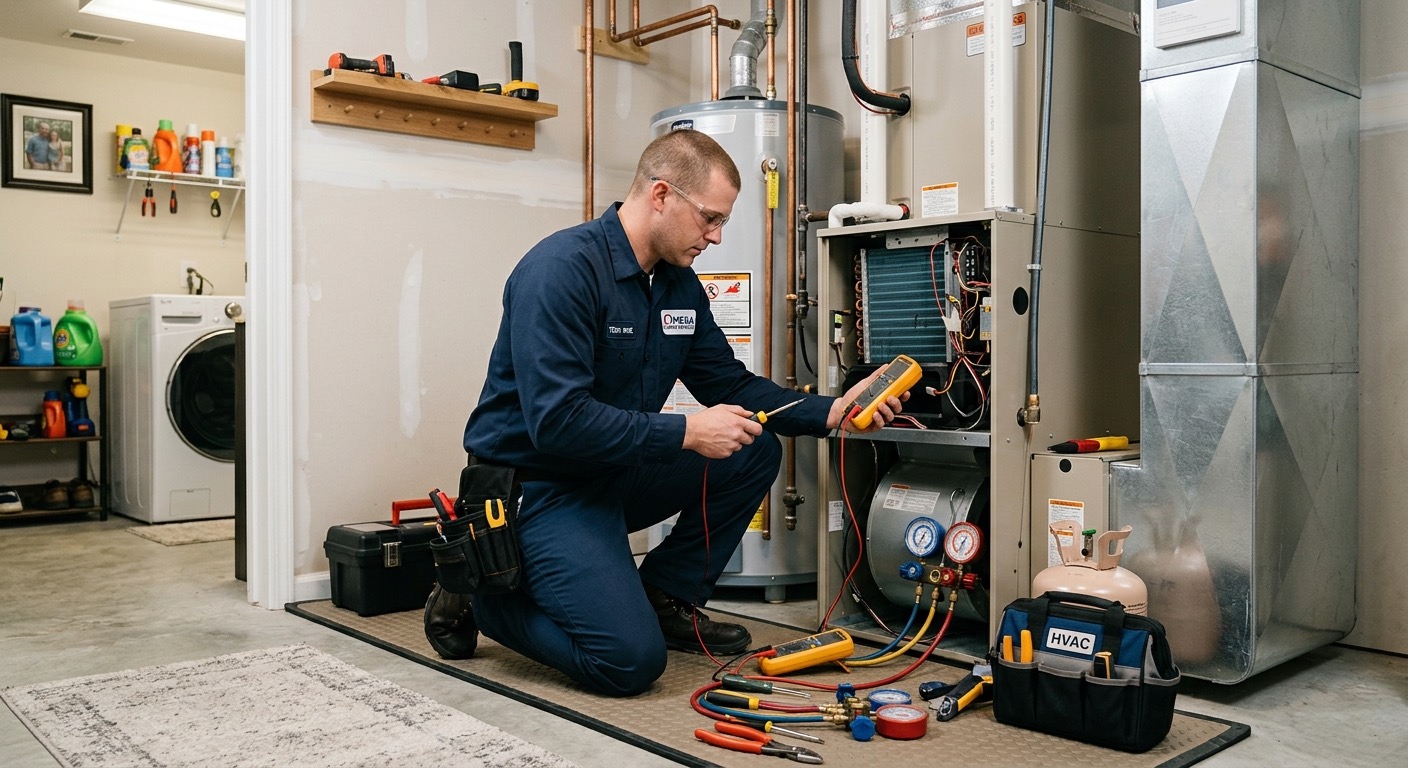
Replacing furnace air filters before turning on the heat improves airflow and indoor air quality throughout the home. Clean filters allow warm air to circulate freely through ductwork, reducing mechanical strain on blower motors and ensuring every bedroom receives consistent, cozy heat during freezing nights.
Winterizing Pipes and Water Supply Lines
Burst water pipes are among the most destructive and expensive winter disasters a family can experience. Water trapped inside uninsulated copper or PEX pipes expands as it freezes, exerting immense pressure that ruptures pipe walls and causes catastrophic flooding once the ice thaws.
Disconnecting, draining, and storing all garden hoses before the first freeze is a critical first step. Shut off interior water supply valves leading to outdoor spigots, open the outdoor faucets to drain residual water, and cover them with insulated foam faucet caps. Additionally, wrap foam insulation sleeves around any exposed water pipes running through unheated spaces such as basements, crawlspaces, garages, or attic corners.
Outdoor Safety and Emergency Preparedness
Creating a winter-ready home involves securing your outdoor living space and preparing your family for potential winter power outages. Strong winter gales and heavy ice accumulation frequently knock down tree branches and power lines across the Eastern Seaboard.
Trimming dead or overhanging tree branches near your roofline, driveway, or power connections prevents falling limbs from damaging your property during ice storms. Storing outdoor patio furniture, lawn toys, and garden tools inside a garage or shed protects them from rust and prevents high winds from blowing loose items against window glass.
Finally, assembling an accessible winter emergency kit gives your family total peace of mind when severe winter storms knock out municipal electricity. Stocking up on non-perishable food, bottled water, extra blankets, flashlights, batteries, and a battery-powered radio ensures your household remains safe and warm if power outages last for several days. By taking time to inspect, seal, and maintain your home throughout the autumn months, you create a cozy, resilient sanctuary where your family can comfortably enjoy all the beauty of the East Coast winter season.