

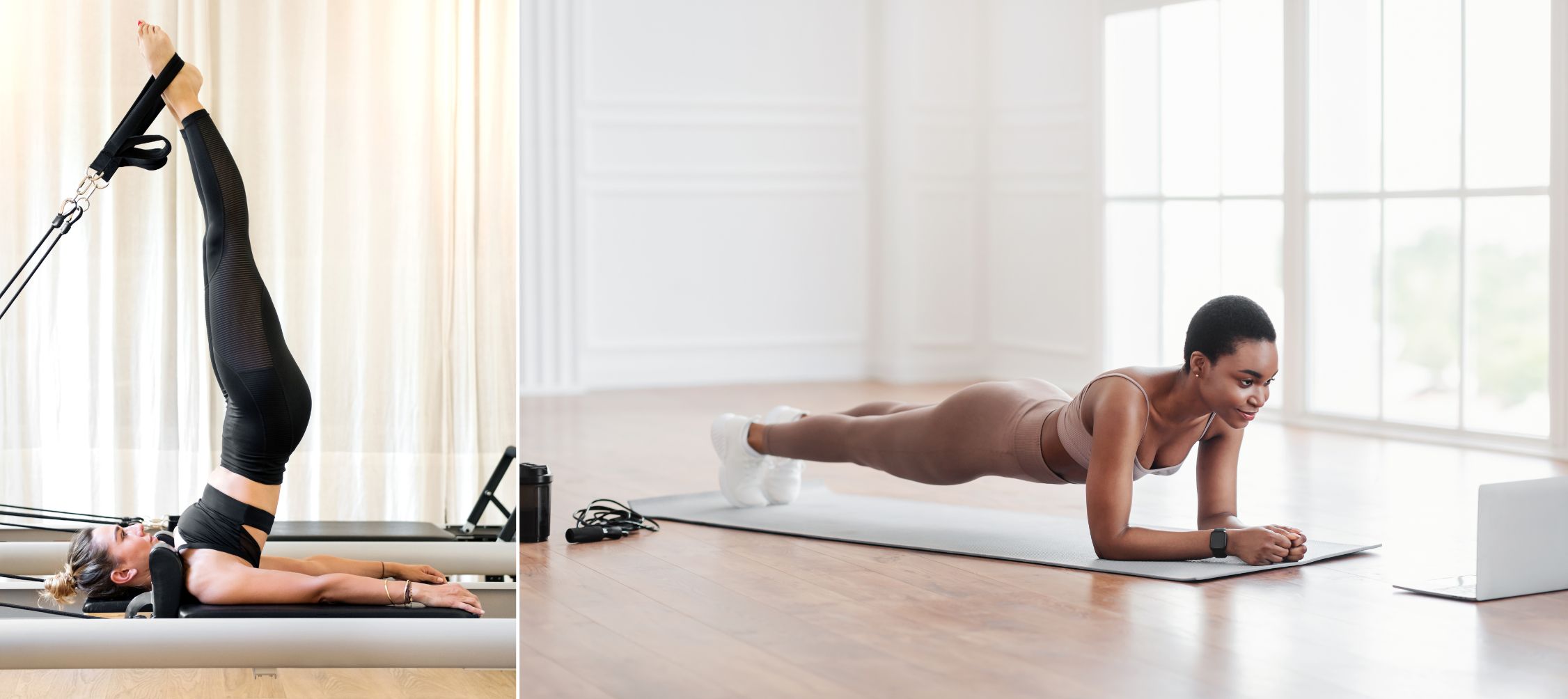
If you’ve been anywhere near the wellness world lately, you already know that Pilates is having a serious moment — and honestly? It never left. As someone who has been doing mat Pilates for years, added reformer Pilates to the rotation more recently, and started wall Pilates workouts about two years ago, I feel like I’ve earned my Pilates princess badge.
Whether you’re a total newbie or a seasoned practitioner debating your next move, this breakdown is for you. Let’s talk about what each method actually is, the benefits, how they compare — and yes, I’m spilling my personal ranking at the end.
What Is Mat Pilates?
Mat Pilates is the OG — the foundation of the entire Pilates practice. Developed by Joseph Pilates in the early 20th century, it’s performed on the floor using nothing but a mat and your own bodyweight. Every movement is intentional, targeting your core, stability, and full-body strength through controlled, precise exercises.
Benefits of Mat Pilates:
- Builds deep core strength and stability
- Improves posture and body alignment
- Increases flexibility and mobility
- Requires zero equipment — do it anywhere
- Sharpens the mind-body connection
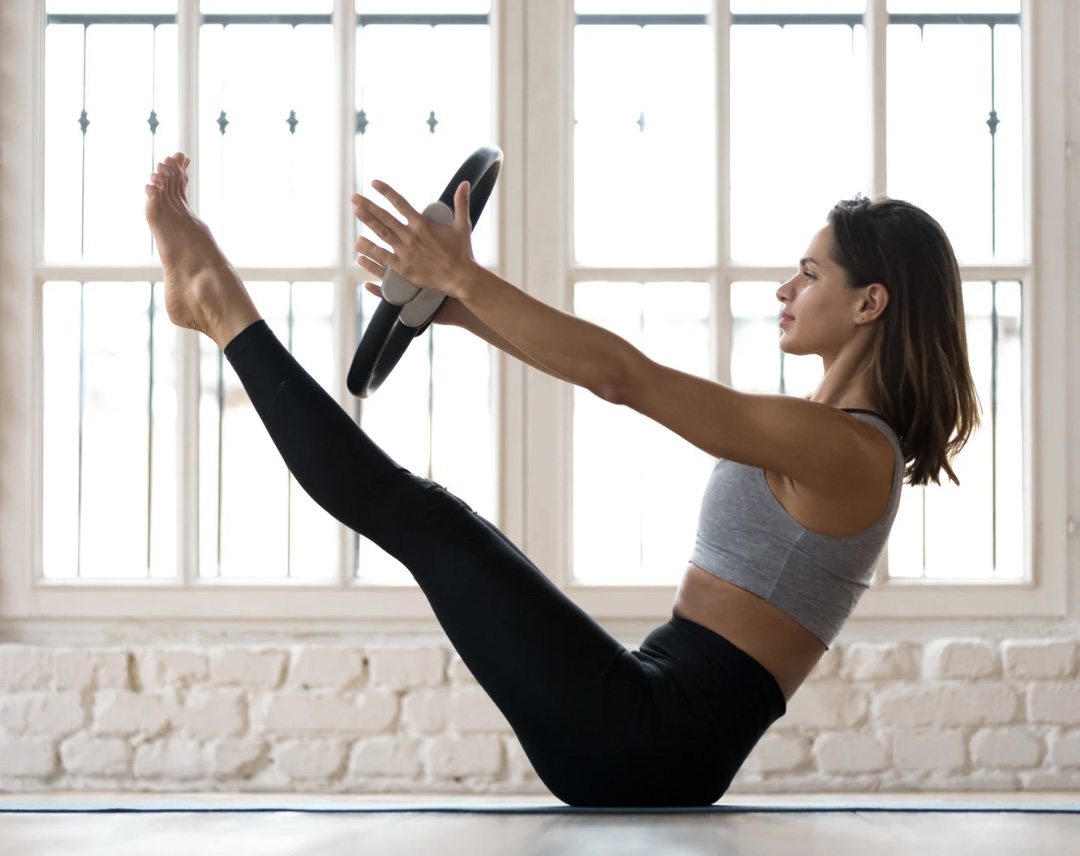
One modern evolution worth noting: many mat Pilates instructors today are incorporating light dumbbells into their classes, blending traditional Pilates with functional strength training. And it makes total sense — especially for women, maintaining muscle mass and bone density becomes increasingly important with age, and adding light resistance to your Pilates practice is a smart, low-impact way to address that. It’s the best of both worlds.
Mat Pilates is deceivingly hard. There’s no machine assisting your movement, no spring resistance making things easier — just you, your mat, and gravity. That’s exactly why I consider it the most challenging of the three, and why my body has transformed the most from it. Years in, it still humbles me. If you’re serious about your Pilates practice and want results, don’t sleep on the mat.
What Is Reformer Pilates?
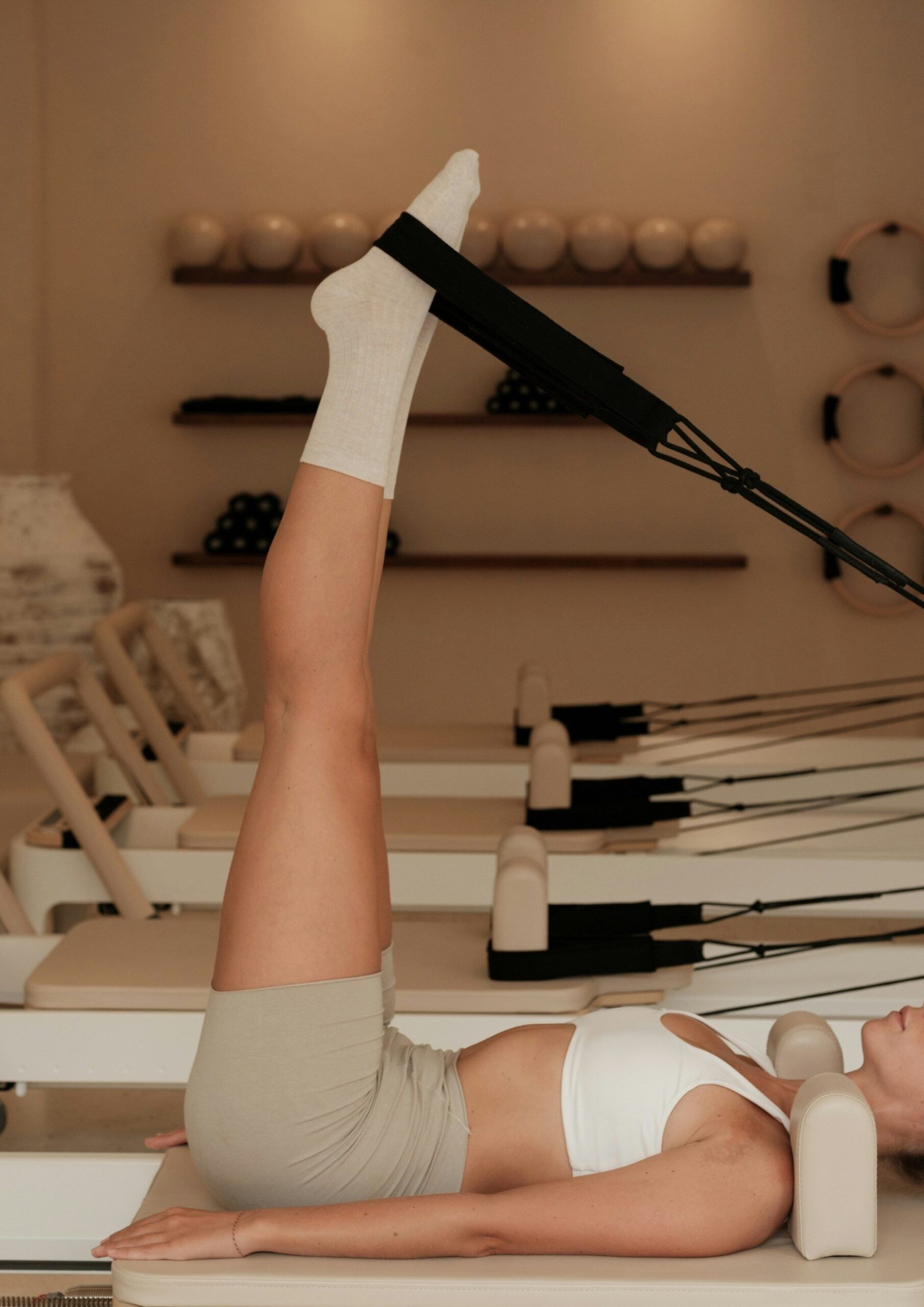
Meet the reformer, that sleek, sliding carriage contraption you’ve seen all over your Instagram feed. This Pilates machine is the star of reformer Pilates. It uses a system of springs, straps, and a moving platform to add resistance and support to your movements, making it both more dynamic and more accessible than mat work for many people.
Benefits of Reformer Pilates:
- Spring resistance challenges muscles through the full range of motion
- Low-impact and joint-friendly — great for injury recovery
- Highly adaptable for all fitness levels
- Targets smaller, stabilizing muscles you didn’t know you had
- Builds long, lean muscle tone
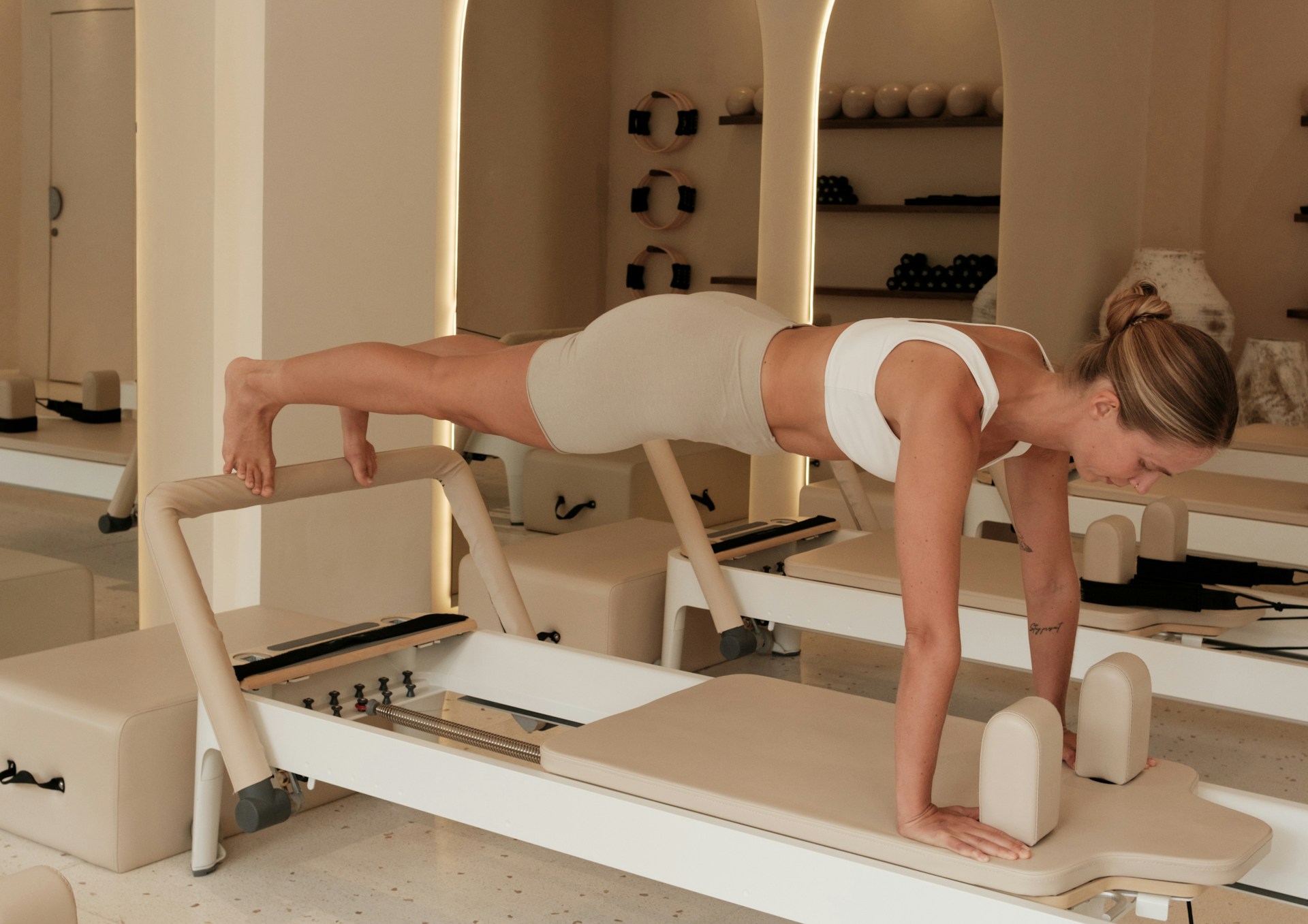
One thing worth mentioning for the Pilates deep-divers: if you’ve ever heard of the Lagree Method, it lives in this world. Created by Sébastien Lagree, the Lagree Method uses a machine called the Megaformer — a supercharged reformer — and incorporates slow, time-under-tension movements designed to target slow-twitch muscle fibers. It’s Pilates-inspired but elevated in intensity, and it has its own devoted fanbase for good reason. If you’re already loving reformer Pilates, the Lagree Method is absolutely worth exploring.
I’ve been doing reformer Pilates for less time than mat, but the results speak for themselves — it’s a completely different kind of burn and I’m obsessed.
What Is Wall Pilates?
Wall Pilates is the newest kid on the block — and the one that completely took over TikTok and the fitness internet over the last couple of years. It uses a wall as a prop to support, resist, and deepen traditional Pilates movements. No Pilates machine needed beyond your own body and a flat surface, making it one of the most accessible forms of Pilates out there.
Benefits of Wall Pilates:
- The wall provides feedback that improves alignment and form
- Great for beginners learning foundational Pilates movements
- Deepens stretches and increases range of motion
- Activates the core while adding gentle resistance
- Easy to do at home with zero cost
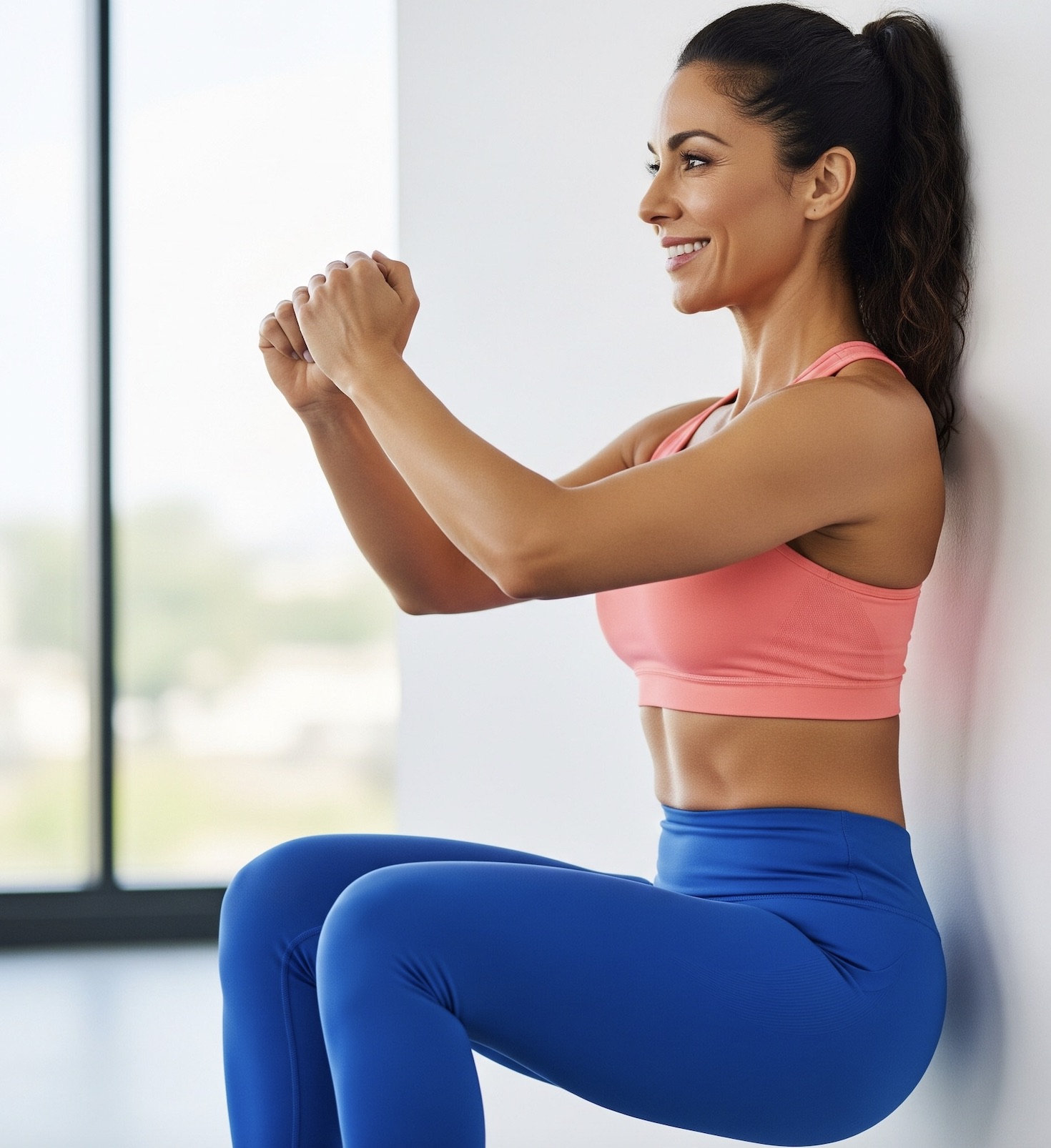
I’ve been doing wall Pilates workouts for about two years now, and it’s a great complement to my other practices — especially on days when I want a solid workout without leaving my apartment. It’s beginner-friendly but still effective, and the wall feedback is genuinely helpful for form correction.
How Do They Compare?
| Mat Pilates | Reformer Pilates | Wall Pilates | |
|---|---|---|---|
| Equipment | Mat only | Reformer machine | Just a wall |
| Difficulty | ⭐⭐⭐⭐⭐ | ⭐⭐⭐⭐ | ⭐⭐⭐ |
| Accessibility | Very high | Studio required | Very high |
| Cost | Low | Higher (class fees) | Free |
| Best for | Core strength, transformation | Resistance, tone, rehab | Beginners, alignment, home workouts |
My Pilates Princess Ranking
Okay, you asked — here’s my honest ranking after years of doing all three:
🥇 #1: Mat Pilates — This is my ride-or-die. It’s the hardest, the most humbling, and the practice that has transformed my body the most over the years. No Pilates machine is going to save you here, and that’s exactly why it works.
🥈 #2: Reformer Pilates — A close second. The resistance, the variety of movements, and the full-body challenge make it absolutely addictive. If you haven’t tried it yet, find a studio near you ASAP.
🥉 #3: Wall Pilates — Don’t get me wrong, I love a good wall Pilates session. It’s my go-to for at-home days and it’s fantastic for beginners. But if you’re chasing a serious transformation, you’ll want to pair it with one of the above.
What to Wear to Pilates (Yes, Pilates Socks Matter )
When it comes to what to actually wear to class, think form-fitting and functional. High-waisted leggings are your best friend — they stay put through all the rolling, stretching, and leg lifts without riding down mid-movement. A fitted tank or a cropped long-sleeve works great on top, and if you’re heading to a reformer class, avoid anything too oversized that could get caught in the carriage straps. Basically, you want to move freely without your outfit becoming a distraction. Activewear that’s cute and comfortable is the Pilates princess way.
Now, the most important fashion tip no one tells you before your first class: you need Pilates socks. Seriously. Most studios require Pilates socks for hygiene and safety, but beyond that, they keep you from sliding all over your mat or the reformer carriage — which, trust me, you’ll be grateful for mid-plank. Shop my favorite Pilates socks here.
Don’t Forget to Track Your Progress
One thing that’s made a massive difference in my wellness journey — alongside all the Pilates — is staying consistent with tracking my goals and progress. I’ve been using a weight loss journal that keeps me accountable, motivated, and focused on the bigger picture. If you want to pair your new Pilates obsession with some intentional goal-setting, this is the one I personally use and swear by.
The Bottom Line
Whether you’re a Pilates princess in the making or already deep in your practice, there’s a version of Pilates for every body, every goal, and every budget. My advice? Try all three. Start with wall Pilates at home if you’re a beginner, hit a reformer class at your local studio, and don’t you dare underestimate a mat class. Your core will thank you — eventually.
Drop a comment and let me know which type of Pilates is your favorite — or which one you’re dying to try!
This article contains an affiliate link. As an Amazon Associate, I earn from qualifying purchases.