


Perimenopause is often called the “second puberty,” but unlike the first one, there’s no school assembly, no awkward health class video, and absolutely no one warning you that it’s coming. I’m 45 years old and honestly had never even heard of perimenopause until my friend, who is three years older than me, started going through it. One day you’re going about your life, and the next you’re Googling why you suddenly can’t sleep, why your jeans don’t fit the same way they used to, or why you burst into tears during a paper towel commercial. The truth is, most women enter perimenopause completely blindsided, not because the symptoms aren’t real, but because no one talks about them. The hot flashes get all the headlines, but it’s the invisible symptoms (the brain fog, the anxiety, the mood shifts, the changes in your skin and hair) that catch women completely off guard. Consider this your official heads up. Here are 15 things no one tells you about perimenopause, and exactly how to navigate the transition with your sanity – and your sense of humor – fully intact.
1. The “Soul-Crushing” Fatigue
It’s not just being tired; it’s a deep, cellular exhaustion that sleep doesn’t fix.
- The Fix: Prioritize Magnesium Glycinate at night and look into “Paced Movement.” Instead of high-intensity cardio, which can spike cortisol, switch to Zone 2 walking or restorative yoga.
2. “Meno-Rage” and Extreme Irritability
You might find yourself inexplicably angry at the way your partner breathes. This is a physiological drop in estrogen affecting your brain’s “pause” button.
- The Fix: Tracking your cycle (even if irregular) helps you predict these “red zones.” Mindfulness and L-Theanine supplements can help take the edge off.
3. The “Word Search” (Brain Fog)
Walking into a room and forgetting why, or mid-sentence “buffering” is common.
- The Fix: Focus on Omega-3s and anti-inflammatory diets (like the Mediterranean diet). In 2026, many women are using cognitive-tracking apps to monitor these blips.
4. Hormonal Anxiety & Panic Attacks
Many women experience their first-ever panic attack in their 40s. Estrogen fluctuations hit the GABA receptors in the brain, which regulate calm.
- The Fix: Box breathing and limiting caffeine/alcohol (the two biggest triggers for hormonal anxiety) are essential.
5. The “Morning Stiffness” (Joint Pain)
You might wake up feeling like you’ve run a marathon. Estrogen is a natural lubricant for joints; without it, inflammation rises.
- The Fix: Strength training is non-negotiable. Lifting weights helps lubricate joints and protects bone density which drops during this phase. Topical CBD balms have also become a game-changer for many women dealing with joint pain, offering targeted, fast-acting relief without the side effects of traditional pain medications.

6. Digestive Upheaval & Bloating
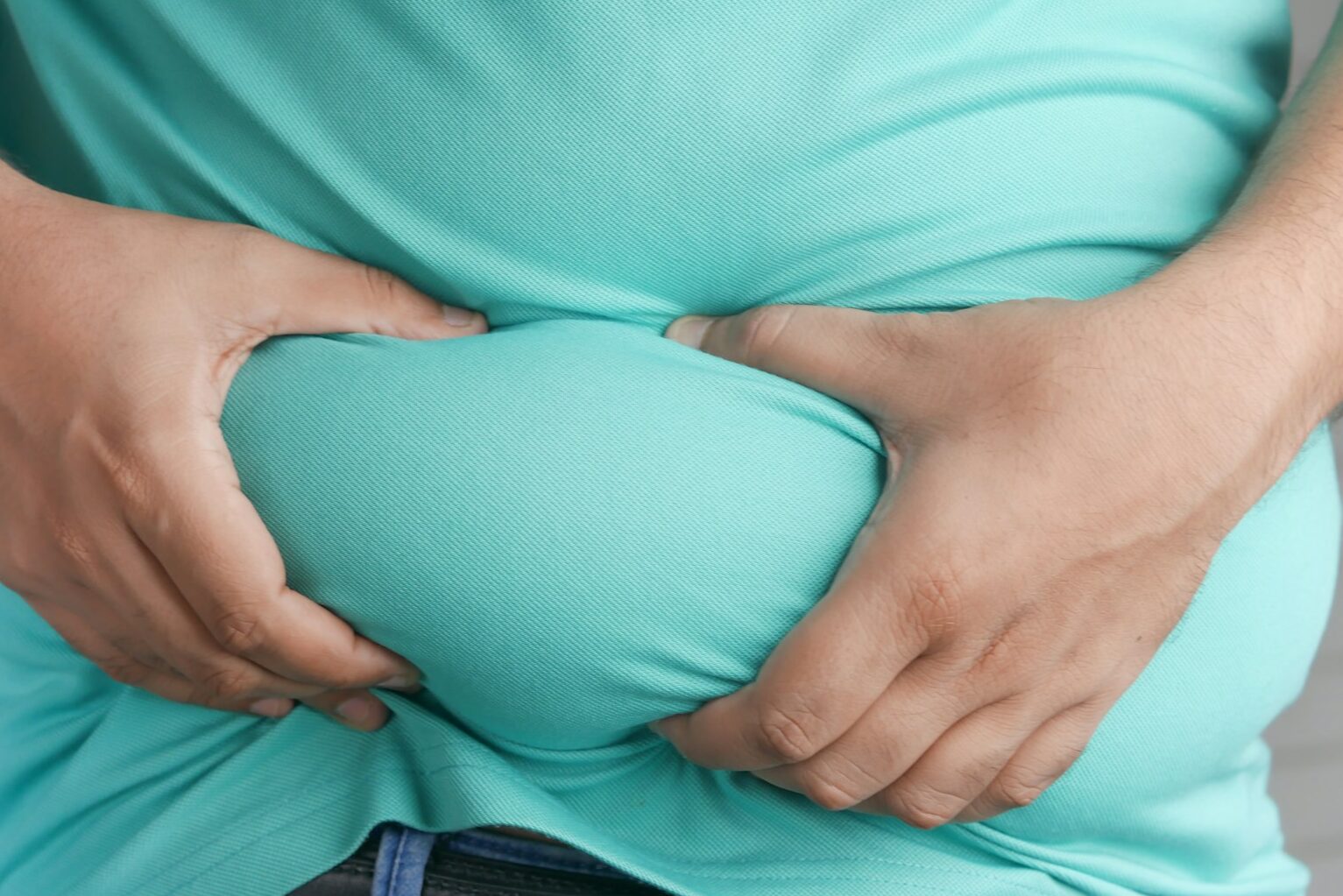
The “perimenopause belly” isn’t just weight; it’s often gas and slowed motility.
- The Fix: Incorporate probiotics and fermented foods. High-fiber diets are crucial, but introduce them slowly to avoid more bloating.
7. Itchy Skin & “Formication”
A weird sensation like bugs crawling on your skin (formication) or sudden, intense itching is a documented but rarely discussed symptom.
- The Fix: Switch to medical-grade, fragrance-free moisturizers and look for products with ceramides to repair the skin barrier.
8. Heart Palpitations
A racing heart while sitting perfectly still is terrifying but often just a vasomotor symptom (like a hot flash, but for your heart rate).
- The Fix: Cut back on sugar and check your Iron/Ferritin levels, as heavy perimenopausal periods can lead to anemia, which worsens palpitations.
9. Changes in Body Odor
You might notice you smell “different” or more pungent than usual. This is due to the hypothalamus (the body’s thermostat) overreacting to hormone shifts.
- The Fix: Use AHA/BHA-based deodorants which lower the skin’s pH to kill odor-causing bacteria more effectively than traditional sticks.
10. Dryness Everywhere (Not Just “Down There”)
Dry eyes, dry mouth, and even a “burning mouth” sensation (metallic taste) can occur.
- The Fix: Use preservative-free eye drops and stay hydrated with electrolytes, not just plain water.
11. The “Cold Flash”
After a hot flash, your body may overcompensate, leaving you shivering and freezing.
- The Fix: Dressing in layers (the LA lifestyle staple) is actually a medical necessity here. Bamboo or moisture-wicking fabrics are best.
12. Sudden Clumsiness
Estrogen affects spatial awareness and balance. You might start bumping into doorframes or dropping things.
- The Fix: Incorporate balance work (Pilates or single-leg stands) into your fitness routine to re-sync your brain and body.

13. Hair Texture Evolution
Your hair might become “frizzy” or “wire-like” overnight, or you might see thinning at the temples.
- The Fix: Scalp health is key. Use rosemary oil or caffeine-based scalp serums, and ensure you’re getting enough biotin and collagen.
14. The “Normal” Lab Trap
You feel terrible, but your doctor says your blood work is “normal.” Because hormones fluctuate hourly in perimenopause, a single blood test is often useless.
- The Fix: Perimenopause is a clinical diagnosis, meaning it’s based on symptoms, not just labs. Find a provider certified by The Menopause Society (formerly NAMS).
15. Metabolic Shifts (The GLP-1 Bridge)
In 2026, many are realizing that perimenopausal weight gain is metabolic, not just about “eating too much.”
- The Fix: While lifestyle is base-layer, some women are finding success using GLP-1 medications (like Semaglutide) under medical supervision to manage the sudden insulin resistance that can occur during this shift.
Perimenopause FAQ
1. What is perimenopause, and how is it different from menopause?
Think of perimenopause as the “bridge” and menopause as the destination.
- Perimenopause: This is the symptomatic transition. Your ovaries are beginning to produce less estrogen, and your hormone levels start to fluctuate wildly. You still have a period, but it might be irregular.
- Menopause: This is a single point in time. You have officially reached menopause when you have gone 12 consecutive months without a period.
Comparison at a Glance
| Feature | Perimenopause | Menopause |
| Duration | 2–10 years | A single day (the 1-year anniversary) |
| Hormones | Fluctuating (like a roller coaster) | Consistently low |
| Fertility | Possible, though declining | No longer possible |
| Periods | Irregular, heavy, or light | None |
2. When does perimenopause usually start?
For most women, perimenopause begins in their mid-40s. However, it is not uncommon for symptoms to start in your late 30s. Factors like genetics, smoking, and certain medical treatments (like chemotherapy or pelvic surgery) can trigger an earlier onset.
3. How long does perimenopause last?
The average duration is about 4 years, but “average” is a loose term here. For some women, the transition is a quick 2-year sprint; for others, it can last up to 10 years. You remain in perimenopause until you’ve officially hit that 12-month mark without a cycle.
4. Can you get pregnant during perimenopause?
Yes. This is one of the biggest misconceptions. While your fertility is declining because ovulation is becoming irregular, as long as you are still having a period – even if it’s only once every few months – you are still ovulating. If you aren’t looking to expand your family, you should continue using birth control until you have reached the official menopause milestone.
5. Does perimenopause cause nausea?
It absolutely can. While hot flashes get all the press, hormonal nausea is a very real (and very annoying) symptom.
Much like morning sickness during pregnancy, perimenopausal nausea is triggered by sudden spikes and drops in estrogen. These fluctuations can affect your digestive system and your vestibular system (balance), making you feel “seasick” or sensitive to certain smells.
This article contains affiliate links. As an Amazon Associate, I earn from qualifying purchases.