

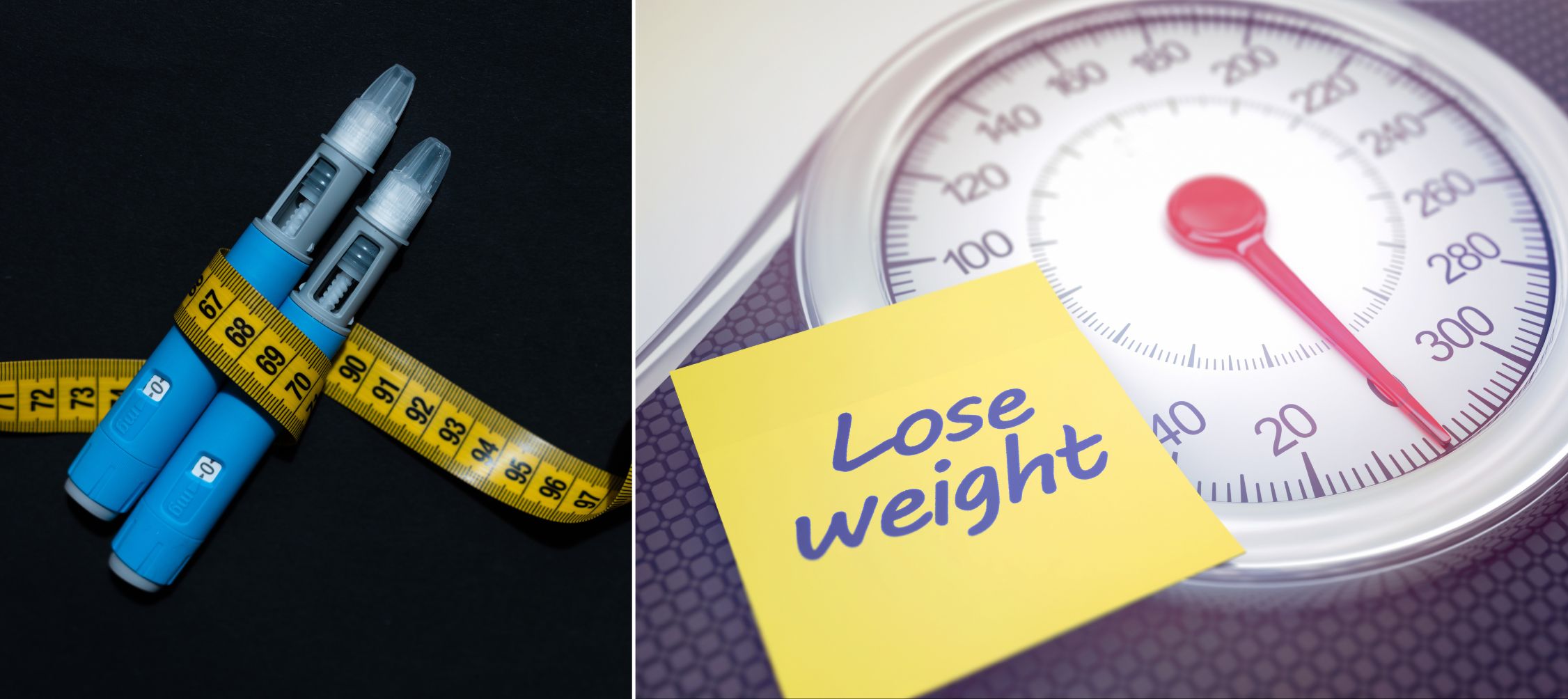
An honest look at the weight loss drugs everyone is talking about, and why strength training is non-negotiable if you do.
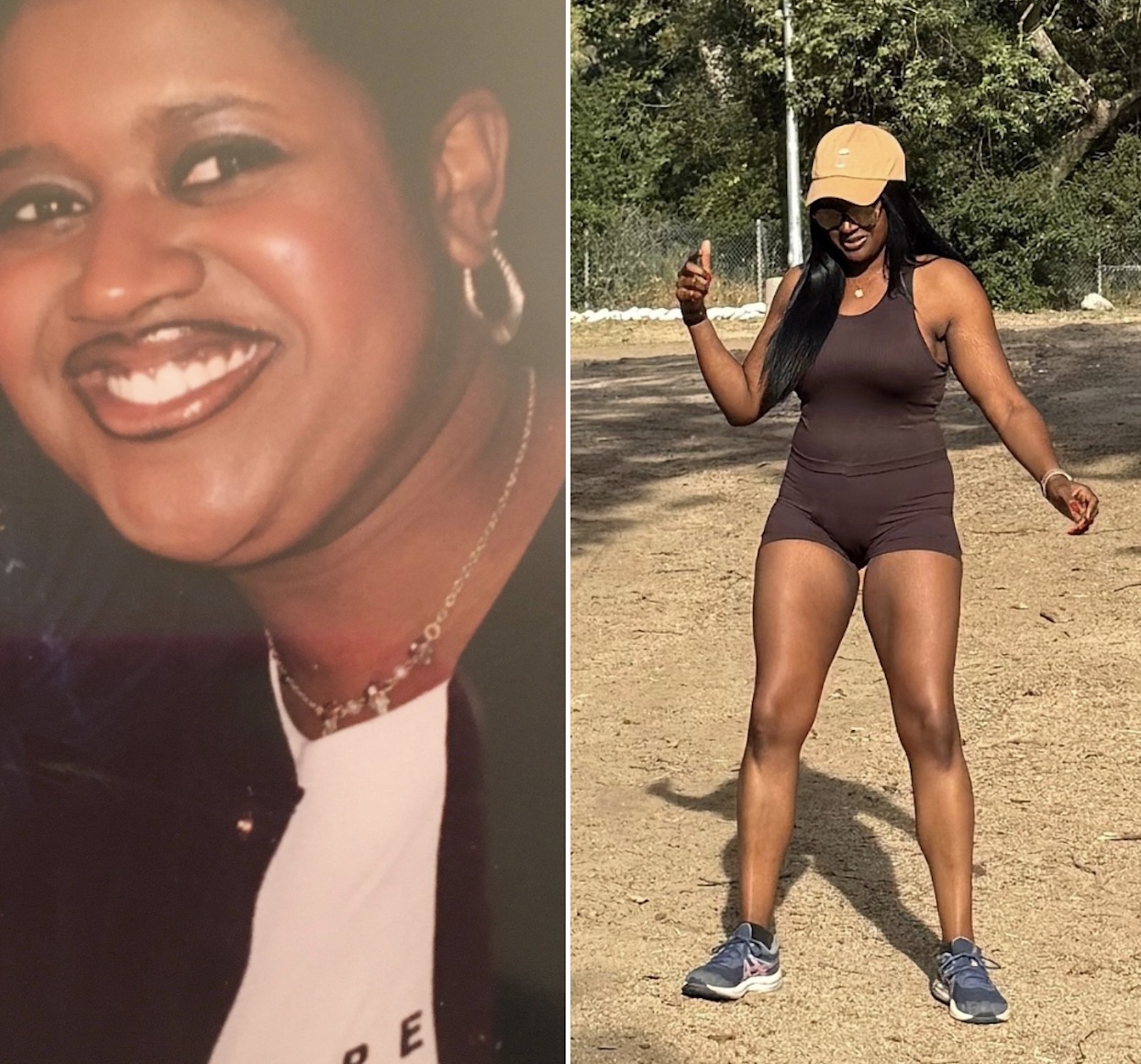
Let me start with a little personal context. Almost 30 years ago, I lost nearly 75 pounds – naturally. No injections, no appetite suppressants, no shortcuts. Just clean eating, daily movement, and a whole lot of determination. And I kept it off. Today, I’m on a new chapter of my wellness journey, working to lose 25 more pounds and get into the best shape of my life. When nine of my friends, coworkers and neighbors started showing up noticeably slimmer – several on Ozempic, a few on Zepbound, and one who just started peptides – I’ll be honest, I was curious. I did the research. I looked into all of it. And while I’m personally committed to doing this naturally again, I want to share what I found because the conversation around GLP-1 medications is everywhere right now, and it deserves a real, honest breakdown.
Medical Disclaimer: This article is for informational purposes only and does not constitute medical advice. Always consult with a qualified healthcare provider before starting any weight loss medication or making significant changes to your diet or exercise routine.
What Are GLP-1 Medications and How Do They Work?
GLP-1 stands for glucagon-like peptide-1, a hormone your body naturally produces that helps regulate blood sugar, slow digestion, and signal fullness to your brain. GLP-1 receptor agonist medications mimic this hormone, essentially telling your brain you’re full, reducing appetite, and helping stabilize blood sugar levels. Originally developed to treat type 2 diabetes, these drugs have become the most talked-about weight loss tools of our generation.
Breaking Down the Big Players
Ozempic (semaglutide) is probably the name you’ve heard the most. Approved by the FDA for type 2 diabetes management, it’s widely prescribed off-label for weight loss. Administered as a weekly injection, it works by activating GLP-1 receptors to suppress appetite and slow gastric emptying — meaning food stays in your stomach longer, keeping you feeling full. Several of my friends are on it and have lost significant weight. They swear by it.
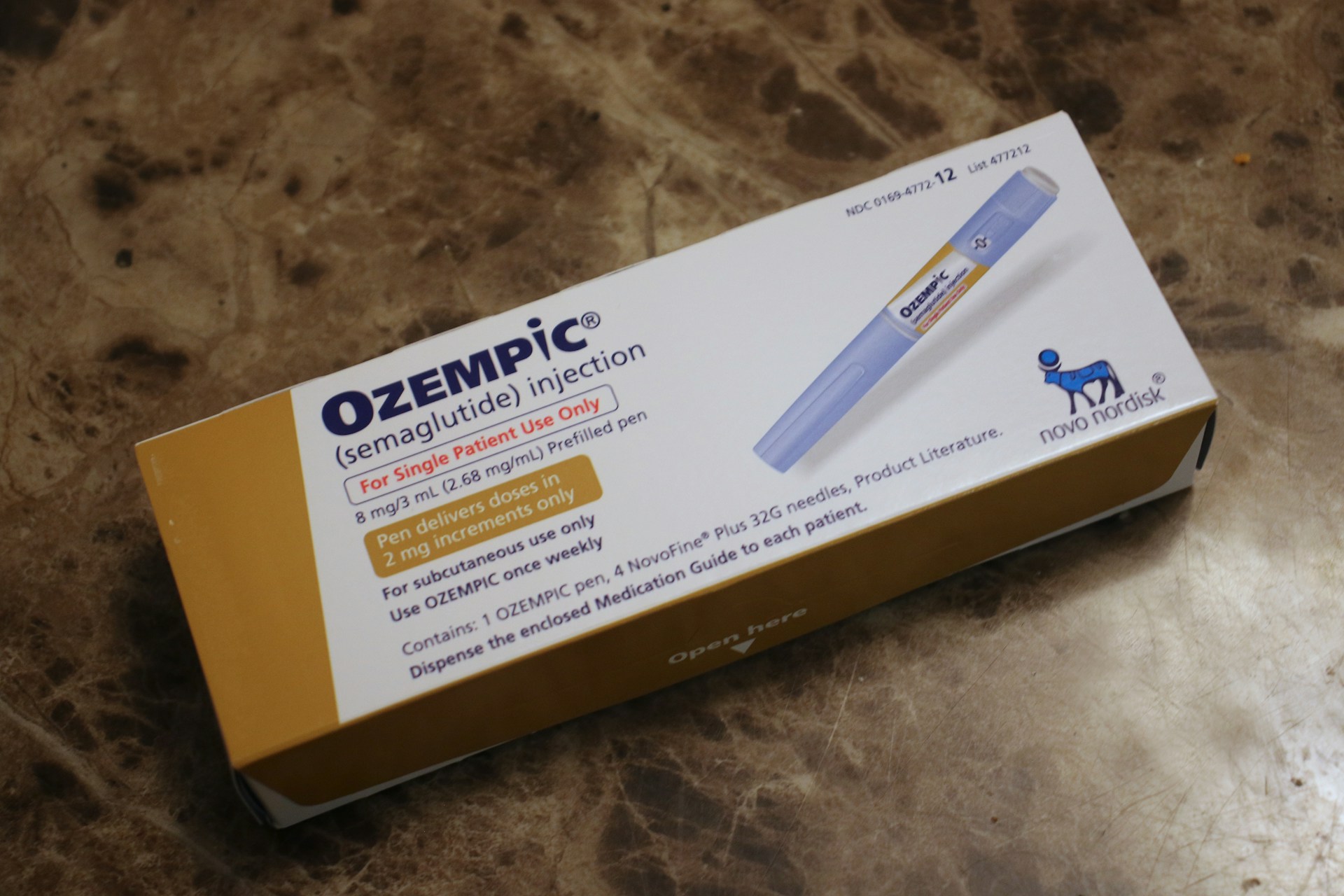
Wegovy is also semaglutide — the same active ingredient as Ozempic — but it’s FDA-approved specifically for chronic weight management at a higher dose. Think of Ozempic and Wegovy as siblings doing the same job at different strengths.
Zepbound (tirzepatide) is the newer kid on the block and arguably the most powerful of the group. Unlike Ozempic, Zepbound is a dual-action medication — it activates both GLP-1 and GIP receptors, meaning it works through two pathways simultaneously to reduce appetite and improve metabolic function. Clinical trials have shown significantly higher weight loss results compared to semaglutide alone. One of my friends started Zepbound after plateauing on another medication, and her results have been remarkable.
Mounjaro is also tirzepatide — FDA-approved for type 2 diabetes, while Zepbound is its weight-loss-approved counterpart. Same molecule, different label.
Peptides are short chains of amino acids that act as natural signaling molecules in the body — and here’s something most people don’t realize: GLP-1 medications like Ozempic, Wegovy, and Zepbound are all technically peptides. When people refer to being “on peptides,” they’re typically using compounded or less regulated versions of this same family of drugs, often obtained through compounding pharmacies or wellness clinics, which work by suppressing appetite, slowing digestion, and improving insulin sensitivity. My friend just started peptides last month and is already seeing early results — but it’s worth noting that this category comes with less clinical oversight and more variability in quality and dosing, so a thorough conversation with a medical professional is a must before diving in.
The Muscle Loss Problem Nobody Talks About Enough
Here’s where I want to get real with you. Rapid calorie reduction, which is extremely common with GLP-1 medications due to their powerful appetite suppression, can force the body to break down lean muscle tissue for fuel. This is one of the most underreported side effects of the GLP-1 wave, and it has real consequences for your metabolism, strength, and long-term health.
You may have heard of “Ozempic face”, the gaunt, aged appearance some users develop due to rapid fat loss in the face. There’s also “Ozempic butt,” referring to the loss of volume and skin laxity in the glutes that comes with losing weight too quickly without maintaining muscle. These aren’t just cosmetic concerns, they’re signals that the body is losing more than just fat.
This is why strength training is absolutely non-negotiable if you’re on a GLP-1 medication, and I have a real-life cautionary tale to prove it. My friend “Kyle” lost an impressive 55 pounds over five months on Zepbound, but along with the weight went his thick, muscular thighs and glutes. He was devastated by the loss and honestly didn’t see it coming. The good news? He’s since hired a trainer, started lifting consistently, and is well on his way to rebuilding what he lost. Lifting weights, resistance training, and bodyweight exercises are essential for preserving lean muscle mass during weight loss, as they keep your metabolism firing and ensure that what you’re losing is fat, not the muscle you’ve worked hard to build.
If you’re on Ozempic, Zepbound, or any GLP-1 and you’re not strength training at least two to three times per week, please start. Your future self will thank you.

How Do I Lose Belly Fat Specifically?
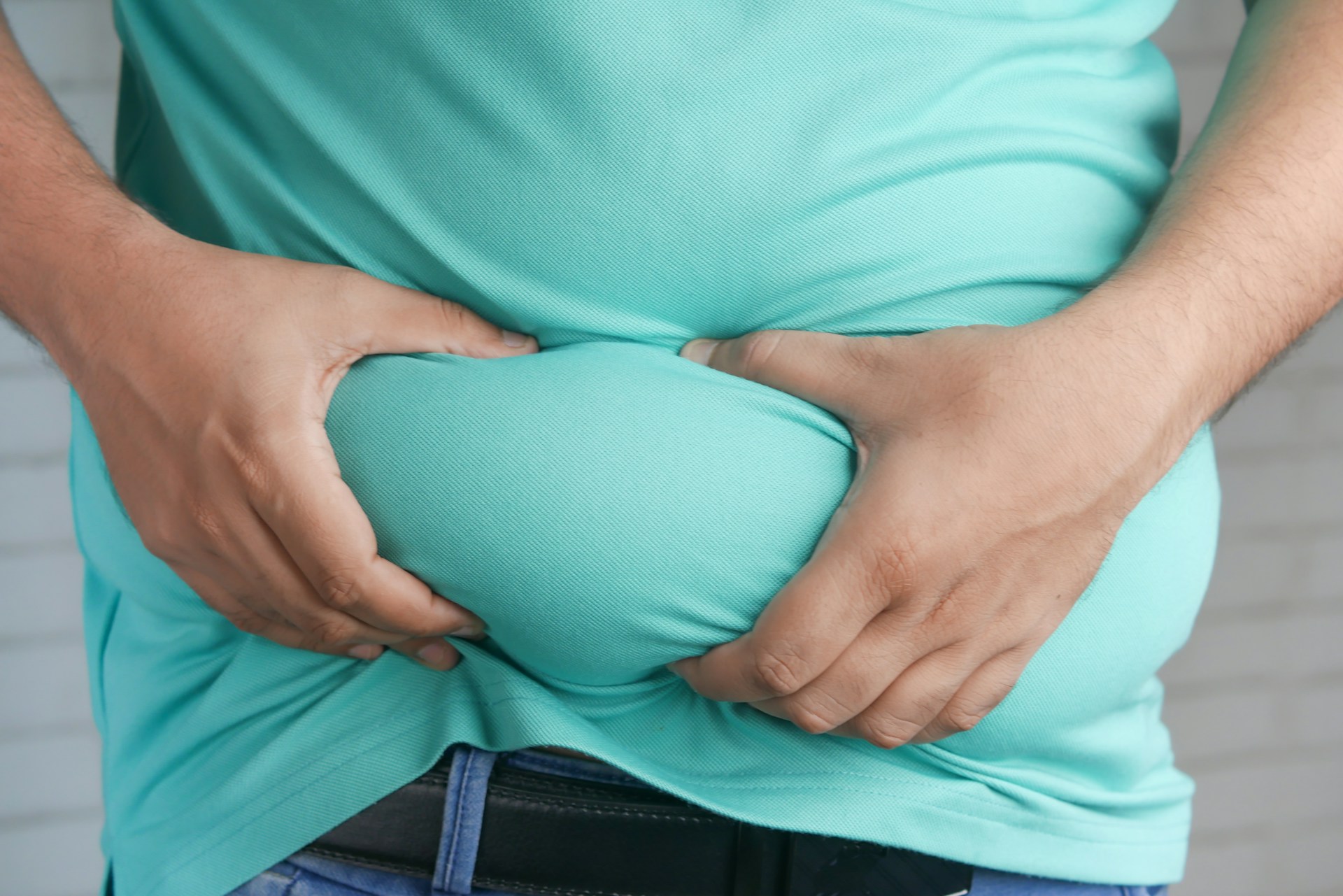
This is one of the most Googled weight loss questions out there, and the honest answer is that you can’t spot-reduce fat. What you can do is create a consistent calorie deficit through nutrition, prioritize protein to preserve muscle, incorporate both cardio and strength training, manage cortisol levels through sleep and stress reduction, and stay patient. Belly fat, particularly visceral fat, responds well to consistent lifestyle changes over time. GLP-1 medications can accelerate this process, but the same principles apply, the drug is a tool, not a magic fix.
How Do I Stay Consistent and Not Fall Off Track?
Whether you’re doing this naturally like me or with medical support, consistency is the real secret weapon. Build habits that fit your actual life, not a perfect version of it. Meal prep on Sundays, find movement you genuinely enjoy, track your progress beyond the scale, and build a support system, even if that support system is nine friends who are all on their own weight loss journeys in their own way.
Speaking of tracking progress, I’ve been using this fitness and meal tracker throughout my own journey, and it has been a total game changer for staying accountable.
The road looks different for everyone. My friends on Ozempic, Zepbound, and peptides are thriving, and I’m genuinely happy for every single one of them. My path just looks a little different, and I’m okay with that. The goal is the same: feel good, get strong, and show up for yourself every single day.
Whatever road you choose, make sure strength training is part of it. Your muscles and your metabolism will thank you.