

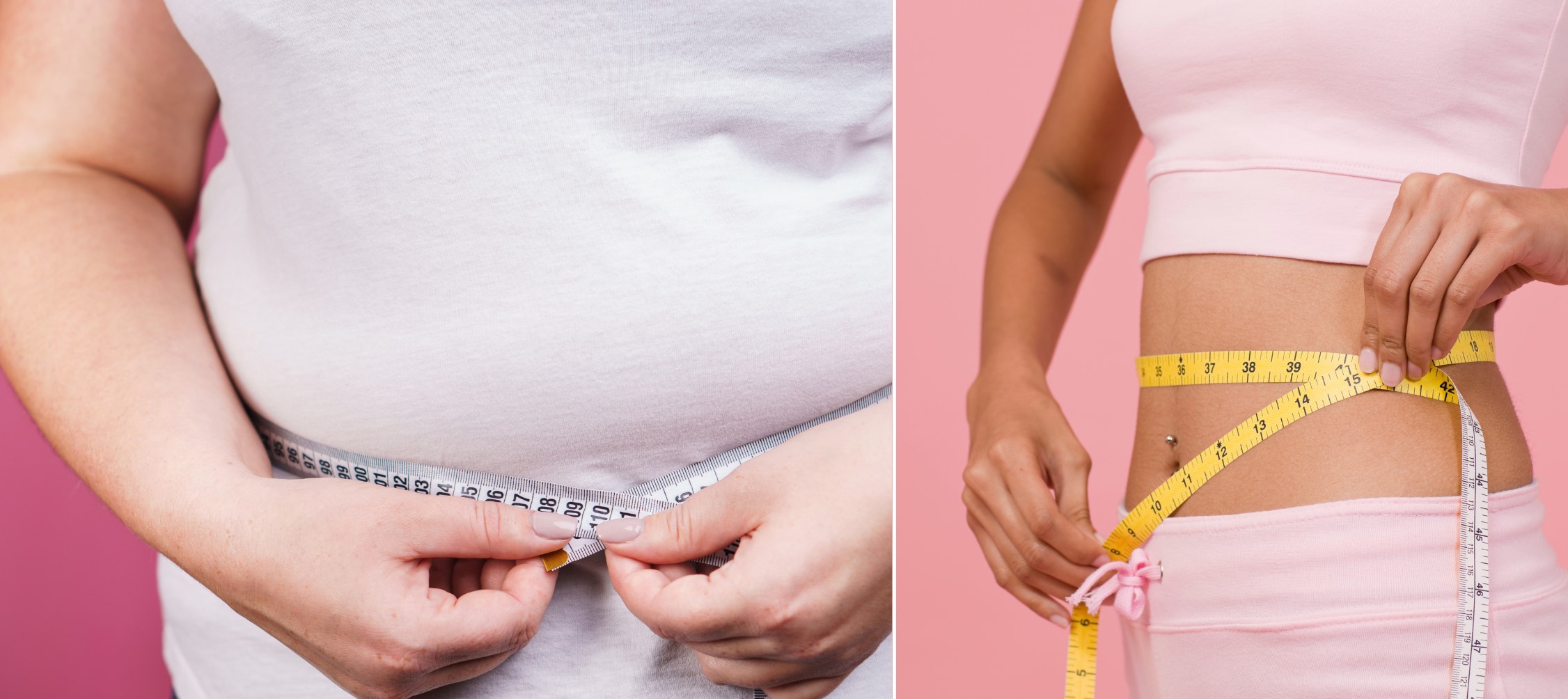
It’s January, and if you’re like millions of people who started the year with ambitious weight loss goals, you might already be feeling the challenge of turning resolution into reality. The good news? You’re not alone, and more importantly, you’re reading this at the perfect time – early enough to build sustainable habits that will actually stick.
Losing weight successfully isn’t about crash diets or punishing yourself. It’s about making smart, sustainable choices that fit into your lifestyle. Whether you want to lose 10 pounds or 100, this guide will give you practical, science-backed strategies to help you achieve your goals and keep that New Year’s resolution alive all year long.
Start by Establishing Your Baseline
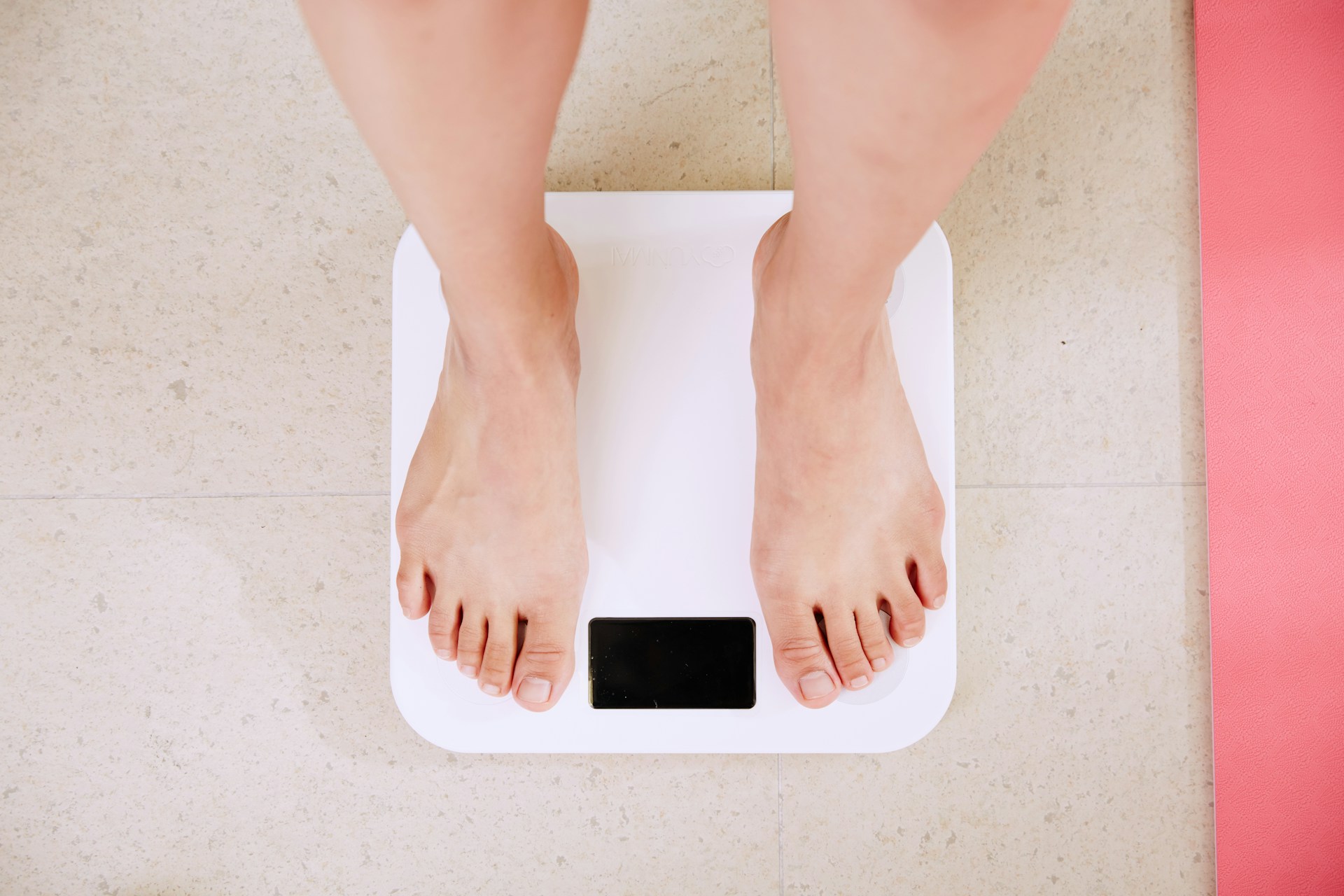
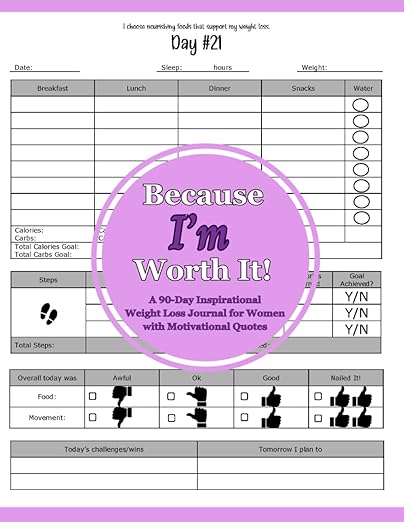
Before you dive into any diet plan or fitness routine, you need to establish your baseline – because how will you know how far you’ve come if you don’t know where you started? Begin by weighing yourself (preferably first thing in the morning before eating), then take your measurements: bust/chest, waist, hips, thighs, and arms. These numbers might feel uncomfortable to write down, but they’re not judgments – they’re simply data points that will help you track real progress when the scale doesn’t budge. I also strongly suggest taking a “before” picture from the front, side, and back. You might not want to look at these photos now, but three months from now when you’re feeling discouraged, comparing that picture to your current self will remind you just how far you’ve actually come. I suggest buying a weight loss journal. Here you can house all of your baseline metrics and photos, along with your weekly weigh in progress, and more.
Invest in a Weight Loss Journal
It’s absolutely in your best interest to invest in a dedicated weight loss journal where you can record your starting measurements and photos, then use it daily to track what you eat, calories burned, water intake, your mood, small wins, and rewards you’ve earned – and here’s why this investment matters: research consistently shows that people who track their food lose twice as much weight as those who don’t. A quality weight loss journal isn’t just blank pages where you scribble what you ate; it’s a structured system with helpful prompts that encourage reflection, motivational quotes when you need encouragement, educational tidbits about nutrition and fitness, and organized sections that guide you through the process so you’re never wondering what to track or how to stay accountable. This journal helps you identify patterns you’d otherwise miss (like those three daily coffees with cream adding 150 hidden calories), reveals emotional triggers, documents non-scale victories, and creates accountability that makes you pause before mindless eating. Write down everything – yes, even that handful of chips while cooking dinner, even that “taste” of dessert – because those small bites add up to 200-400 uncounted calories daily. Your journal becomes three crucial things: your roadmap showing how far you’ve come, your accountability partner that keeps you honest, and eventually your proof that consistency pays off. Don’t skip this step thinking you’ll “just remember” what you ate or start tracking “next week” – your future self celebrating their goal weight will thank you for documenting the journey from day one, one meal at a time.
Choose a Weight Loss Plan That Works for You
The next step to successful weight loss is choosing an eating approach you can actually maintain. Popular options include:
Keto: A high-fat, low-carb diet that puts your body into ketosis, burning fat for fuel. Great for people who love rich foods and can commit to strict carb limits (typically under 50g daily).
Low-Calorie: Simply eating fewer calories than you burn. This flexible approach lets you eat what you want as long as you stay within your calorie budget – typically 1,200-1,500 calories for women and 1,500-1,800 for men seeking weight loss.
OMAD (One Meal A Day): An extreme form of intermittent fasting where you eat all your daily calories in a single meal. This works for people who prefer simplicity and don’t mind skipping breakfast and lunch.
The best plan is the one you’ll stick with. Don’t choose keto just because it’s trendy if you can’t imagine life without bread. Be honest about your preferences and lifestyle when selecting your approach.

Start a Sustainable Fitness Regimen
Exercise is crucial not just for burning calories but for building muscle, boosting metabolism, and improving your overall health – and the good news is that you don’t need an expensive gym membership to see real results, especially if you’re trying to conserve money after the holiday spending season. You can create an incredibly effective workout routine from home completely free using YouTube fitness channels, bodyweight exercises like squats, push-ups, lunges, and planks, or free apps and programs like Wall Pilates, that guide you through structured programs. If you’re new to fitness, start small: commit to 20 minutes of walking daily for the first week, then gradually add 10 minutes of strength training, slowly building up to 30 minutes of moderate activity five days a week. However, if you thrive on the energy of in-person classes, the motivation of working out alongside others, or the variety that comes from trying different studios and instructors, programs like ClassPass are fantastic investments that let you explore yoga, cycling, boxing, dance cardio, and more without committing to expensive single-studio memberships. The goal isn’t to become a gym rat overnight or force yourself into workouts you hate – it’s to build a sustainable habit you can actually maintain, whether that’s free home workouts in your pajamas or high-energy group classes that make exercise feel like fun instead of punishment. Find what works for your budget, your schedule, and your personality, then show up consistently, because even just 30 minutes of movement five days a week creates significant, measurable differences in your weight loss journey, your energy levels, and your overall health. The best workout is the one you’ll actually do, so choose the option that removes barriers and makes saying “yes” to exercise as easy as possible.

Invest in a Smartwatch to Track Progress
Technology can be your weight loss ally. A smartwatch or fitness tracker monitors your steps, calories burned, heart rate, and sleep quality – all factors that impact weight loss. Aim for 10,000 steps daily (though even 7,000 shows health benefits), and use the data to understand how your activity levels correlate with your weight loss progress. Many smartwatches also remind you to move if you’ve been sedentary too long, helping you stay active throughout the day. The Apple Watch even lets you share your daily movement with activity sharing. This feature allows you to connect with friends, family, or coaches to share progress, receive real-time notifications, and engage in friendly fitness competitions.

Limit Liquid Calories
One of the easiest ways to sabotage weight loss is through drinks. Alcoholic beverages, sugary sodas, and juices can quickly add up in terms of calories. A grande vanilla latte from Starbucks contains about 250 calories. Add a glass of orange juice at breakfast (110 calories), a can of soda at lunch (140 calories), and a glass of wine at dinner (120 calories), and you’ve consumed 620 calories without eating a single bite of food.
Instead, focus on drinks for weight loss:
- Water (obviously – aim for 64+ oz daily)
- if plain water bores you, try infusing it with cucumber, mint, or berries for flavor without calories
- Black coffee or tea
- Sparkling water with lemon
- Green tea (contains metabolism-boosting compounds)
- Herbal teas
- Swap high caloric cocktails for on the rocks liquor, low calorie/low sugar canned cocktails, a glass of wine, OR delicious mocktails, like the Rosemary Grapefruit Refresher and the Cucumber Mint Cooler

Fiber is Your Friend
High-fiber foods like beans, berries, oats, and vegetables keep your digestion steady and hunger at bay. Fiber slows digestion, helping you feel full longer and preventing blood sugar spikes that lead to cravings. Aim for 25-30 grams of fiber daily. Start your morning with oatmeal topped with berries, add beans to your lunch salad, and snack on apples with almond butter. Your gut (and your appetite) will thank you.

Consider Weight Loss Medications (With Medical Guidance)
Weight loss drugs have evolved significantly, and for some people, medication can be a helpful tool alongside diet and exercise. Options like Ozempic, Wegovy, Zepbound, and Mounjaro have shown impressive results by mimicking hormones that regulate appetite and blood sugar. However, these medications aren’t magic pills – they work best when combined with lifestyle changes, and they’re not right for everyone.
If you’ve struggled with weight loss despite consistent effort, talk to your doctor about whether prescription weight loss medication might be appropriate for your situation. Never purchase weight loss drugs online without medical supervision.

Get an Accountability Buddy
Weight loss is easier when you’re not doing it alone. Share your goals with a friend who’s also trying to get healthier, join a local fitness group, or find online communities like Facebook groups focused on your chosen eating plan. Having someone to check in with, celebrate victories with, and commiserate with during tough moments makes a huge difference. Schedule regular walks together, share healthy recipes, or simply text each other daily with what you ate and how you moved your body.

Be Patient: Trust the Process
Real, sustainable weight loss typically happens at a rate of 1-2 pounds per week. Yes, you might see bigger drops initially (mostly water weight), but healthy fat loss is gradual. If you lose 1.5 pounds per week, that’s 78 pounds in a year – life-changing results that happen one day at a time.
Avoid the temptation to judge your progress daily. Weight fluctuates due to water retention, hormones, sodium intake, and digestion. Weigh yourself weekly at the same time (ideally Friday morning before eating), and focus on the overall trend rather than daily fluctuations.

Practice Forgiveness
Here’s the truth nobody tells you: You will have “bad” meals. You will eat too much at a party. You will skip workouts. And that’s okay.
The difference between people who successfully lose weight and those who don’t isn’t perfection – it’s resilience. If you overeat at lunch, don’t declare the day ruined and binge all evening. Start fresh at dinner. Ate poorly all weekend? Monday is a new day. One meal, one day, even one week of imperfection won’t undo your progress unless you let it spiral into quitting entirely.
Weight loss isn’t about being perfect. It’s about being consistent more often than not, and getting back on track quickly when you stumble.

You’ve Got This!
Your New Year’s resolution to lose weight doesn’t have to become another abandoned goal by February. Choose an eating plan that fits your lifestyle, track your progress in a weight loss journal, move your body consistently, limit liquid calories, embrace fiber-rich foods, consider technology and accountability partners, and most importantly – be patient and forgiving with yourself.
Remember: You didn’t gain the weight overnight, and you won’t lose it overnight either. But with consistency, the right strategies, and self-compassion, January 2027 will find you celebrating a year of sustainable progress and a healthier, happier you.

This article contains affiliate links. As an Amazon Associate, I earn from qualifying purchases.