

In today’s modern healthcare landscape, it seems like there’s always some new development that people are willing to hop on for the chance of making it a little easier to live a healthier life. However, being able to pick out the truly promising approaches from the fads is important. One term you might have heard, lately, is biohacking, and how some people are starting to experiment with it, and how it can impact their health. But what is it, how does it work, and what is its potential? Here, we’ll take a closer look.
What Is Biohacking?
Effectively, biohacking is a growing umbrella term for a selection of different health practices that aim to address health in a much more personal way. It refers to a range of actions and products that are used specifically to change aspects of our biology and, as a result, our health, performance, and general well-being. From dealing with pain to improving cognitive health and exercise results, biohacking can be used to describe methods with a wide range of intended results. Let’s explore some of the examples of biohacking that are growing more popular.
The Data-Driven Approach
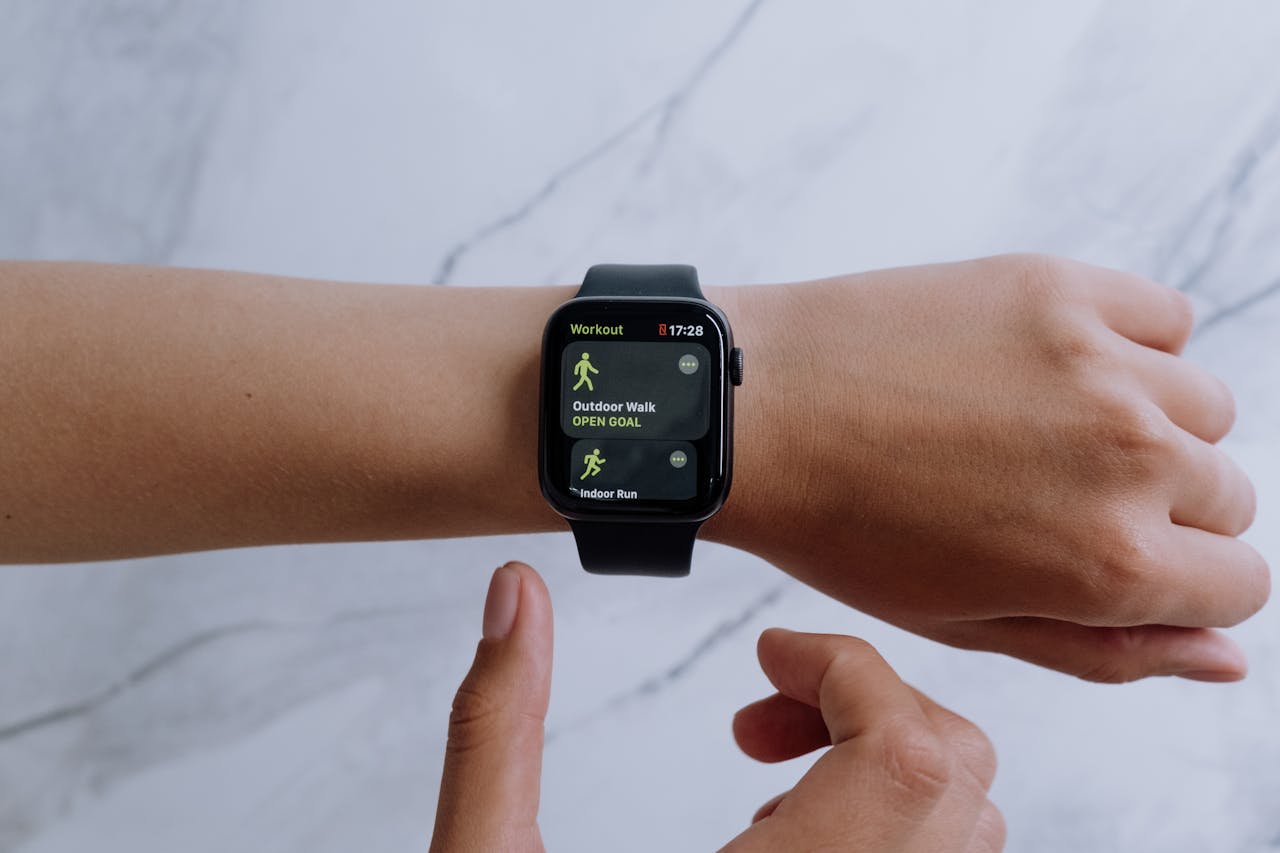
With the rise of wearable devices, including consumer-grade examples like Fitbits and smartwatches, people have been gathering a lot more data on their day-to-day health, allowing them to develop better insights into their health. This can include things like monitoring heart rate variability, blood oxygen, and metabolic responses in real time, and making lifestyle adjustments on the fly, from fine-tuning your exercise routine to acting on the early signs of imbalance. Beyond how individuals are able to use this data to improve personal health, the aggregated data from millions of users may even help discover more effective population-wide approaches to health.
Supplements And The Rise Of The Nootropic
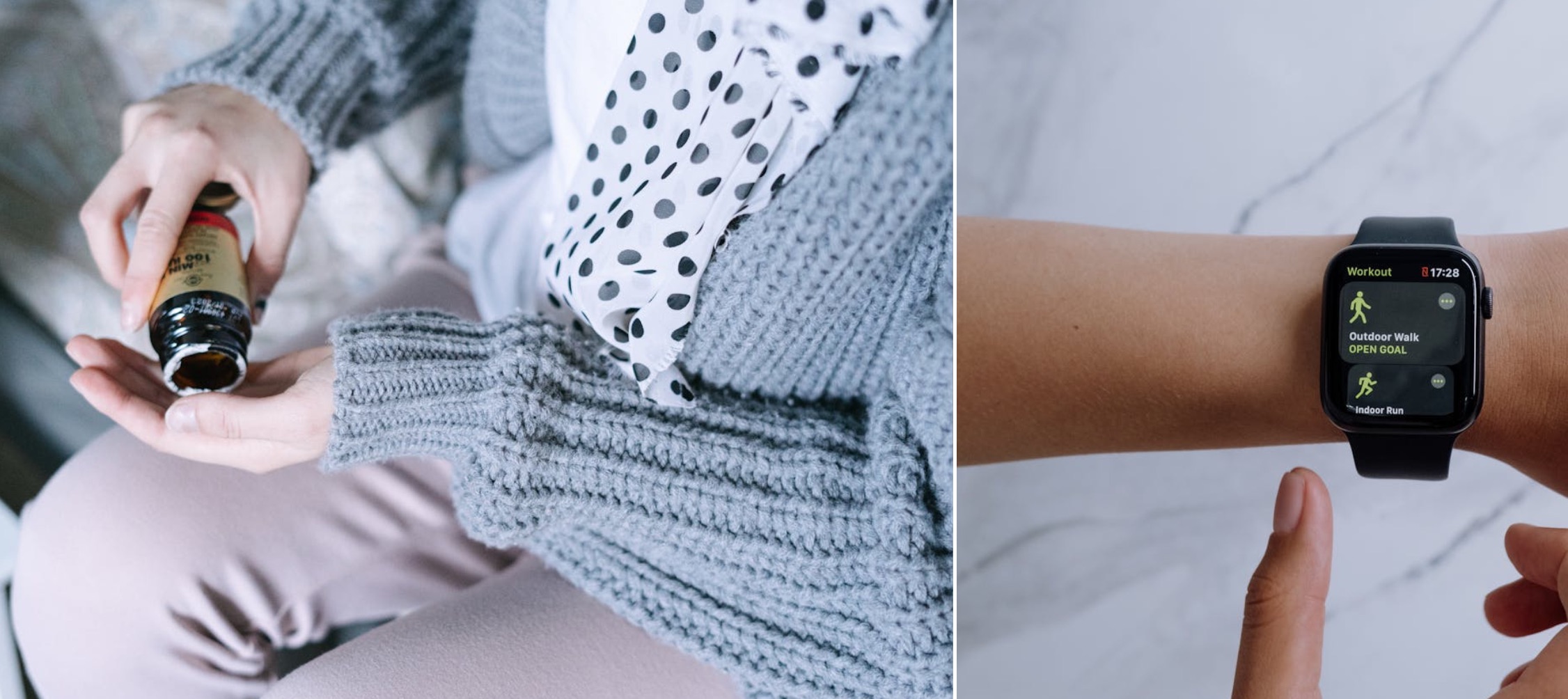
People already take supplements for a wide range of reasons, to fill in gaps in their diet or to avoid the risk of certain deficiencies, for instance. However, biohacking takes it to a more personal and self-improvement-focused direction, especially through the use of nootropics. There is a lot of research going into the top-rated nootropic supplements aimed at discovering their ability to enhance brain function, such as improving memory, focus, and mental clarity. Some biohackers experiment with stacking multiple nootropics, seeking synergistic effects, though there is still a lot of clinical research to be done in the field.
Fasting And Metabolic Hacks
Although calorie-deficient diets have long been dismissed as a potentially dangerous fad, there has been a growing interest in certain practices that have proven safer and more effective, such as intermittent fasting. This is just one of the examples of metabolic hacks that more people are using, including ketogenic diets, which aim to directly address how our bodies use energy. By improving our body’s metabolism, we may be able to directly affect how much value we gain from our diets. However, any extreme changes to eating habits should always be done under a doctor’s advice.
There’s still a lot of research to be done in the building blocks of biohacking to explore its effectiveness, but in short, it is based on commonly understood principles of health improvement.